

Science in the media
-
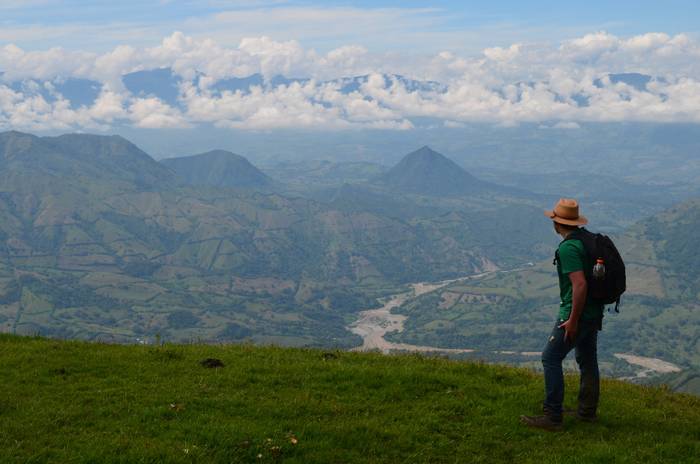
Amerikak uste baino lehen lotu ziren
Panamako pasabidea duela 13-15 milioi urte sortu zen
-
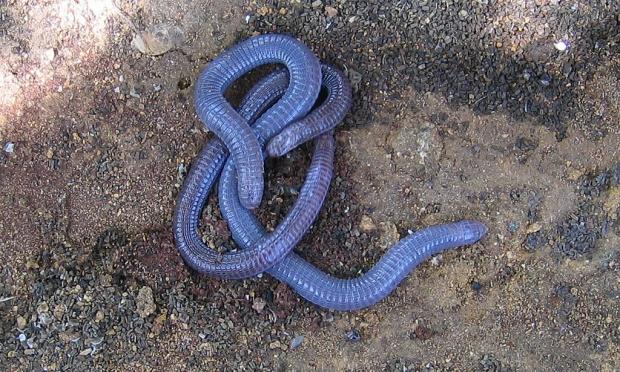
Worm Lizards Floated Their Way Around the World
Around 65 million years ago a large meteorite slammed into the Earth. This catastrophic event likely wiped out the dinosaurs, and a majority of species on Earth. But there was […]
-

Building a Bionic Pancreas
A device that tracks blood sugar and automatically administers insulin and glucagon could take some pressure off Type 1 diabetes patients and their parents
-
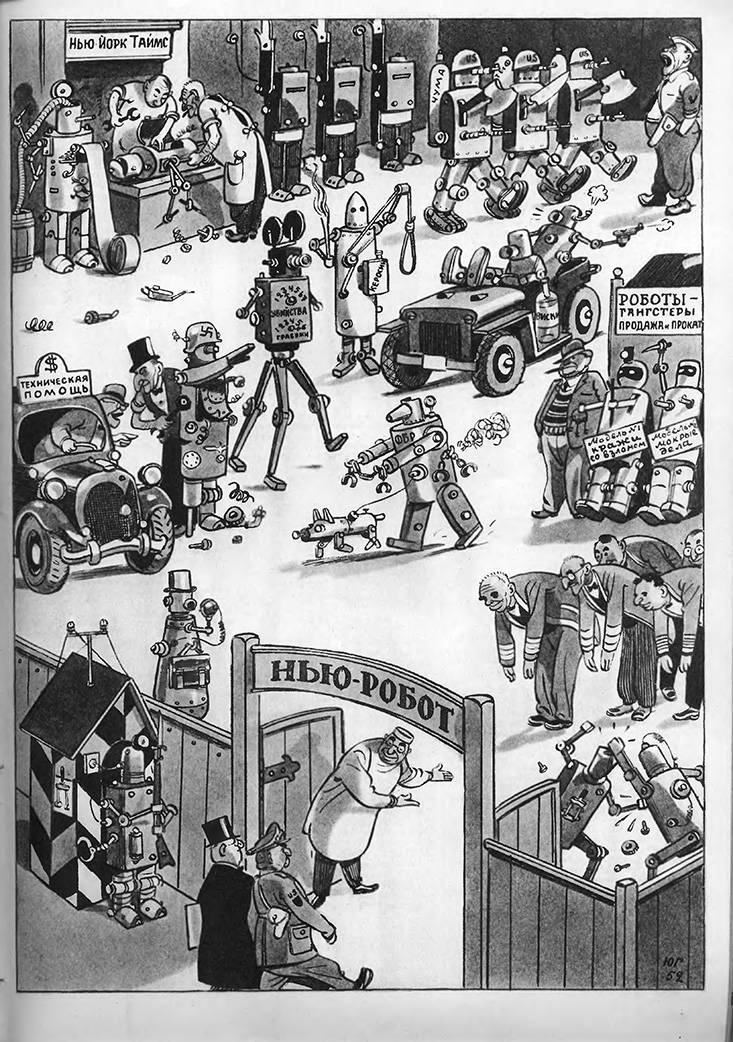
How the Computer Got Its Revenge on the Soviet Union
Condemned as a capitalist tool, the computer would help expose the USSR’s weakness.
-
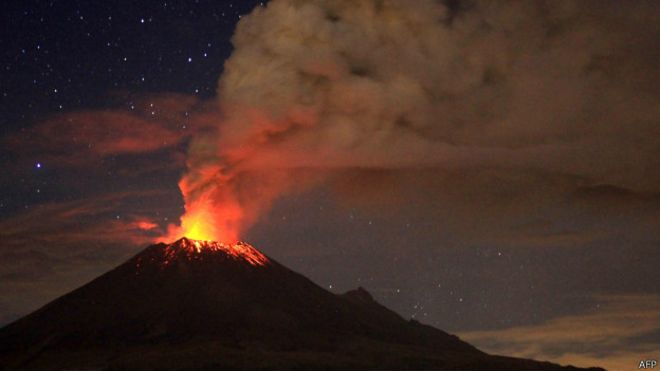
¿Cuánto falta para la próxima supererupción de un volcán?
Ocurrió en abril de 1815 y fue la mayor erupción volcánica en la historia de la humanidad de la que se tenga registro. La ráfaga de lava y ceniza cargada […]
-
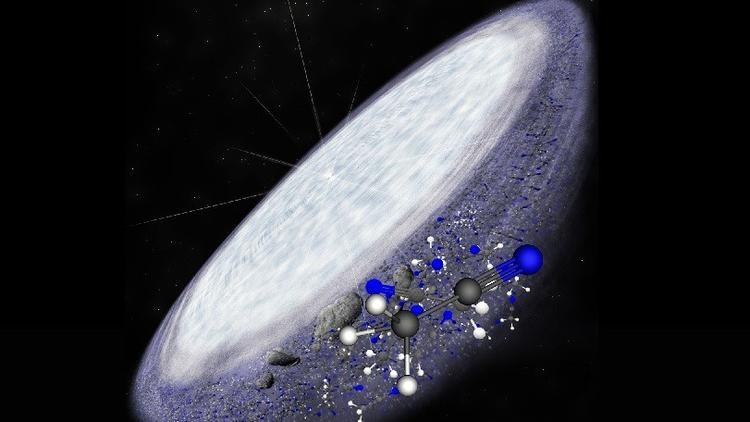
Eureka! Complex organic molecules found in a young star system
Our solar system may not be as special as we thought. A new study of a young star’s protoplanetary disk finds the same kinds of complex organic molecules that are […]
-
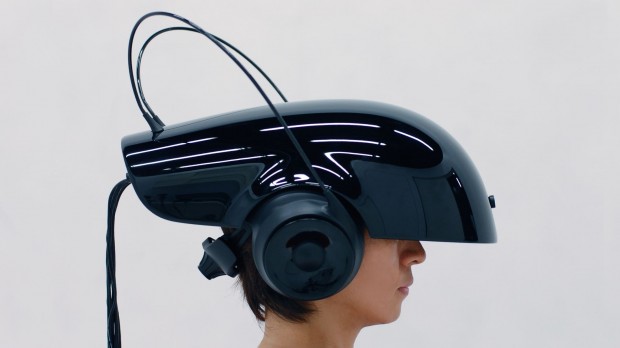
Healing Minds with Virtual Reality
Smell is just the beginning. Slipping on a virtual reality headset, Furlong can open his eyes and find himself in the passenger’s seat of a Humvee with a digitized driver […]
-
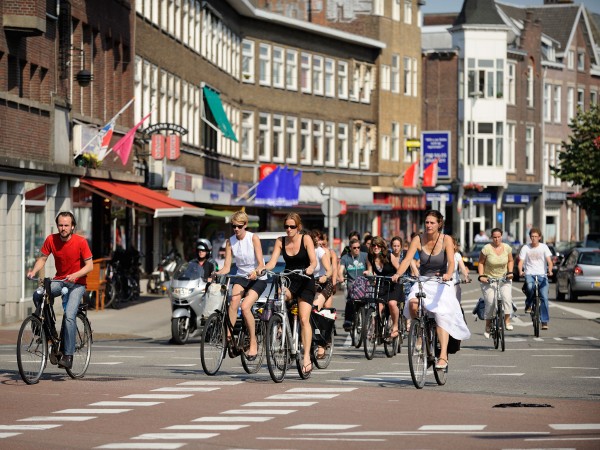
Did natural selection make the Dutch the tallest people on the planet?
Insecure about your height? You may want to avoid this tiny country by the North Sea, whose population has gained an impressive 20 centimeters in the past 150 years and […]
-
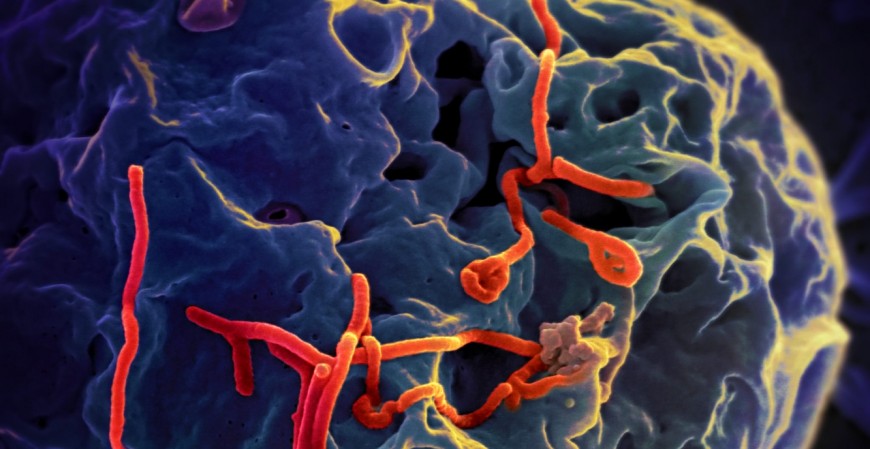
Por qué las flores son más “oscuras” cerca del ecuador
Un estudio muestra que la pigmentación de las flores tiene un papel determinante en la resistencia del polen a la radiación ultravioleta. El descubrimiento explica en parte por qué cuanto […]