

Science in the media
-
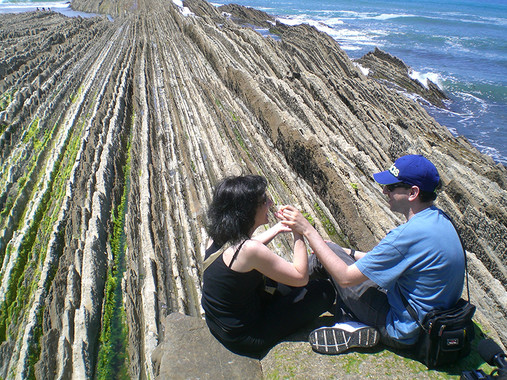
Geología sin barreras en la costa vasca
Con la ayuda del tacto y el olfato se puede diferenciar una roca de otra, e incluso sentir los millones de años de antigüedad de los estratos sedimentarios. Geólogos de […]
-
Famous Fluid Equations Are Incomplete
A 115-year effort to bridge the particle and fluid descriptions of nature has led mathematicians to an unexpected answer.
-
The Reality of Color Is Perception
An argument for a new definition of color.
-
¿Quién acabó con la megafauna? No fueron los humanos
Durante años, la actividad humana ha sido la principal sospechosa de la desaparición de cientos de especies a finales del Pleistoceno. Un nuevo trabajo apunta al verdadero culpable.
-
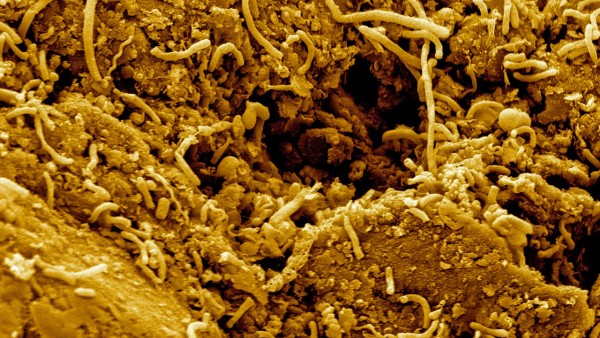
‘It’s like going to Pluto and seeing McDonald’s’
If you want to find some weird, undiscovered organisms, the sediments more than 2 kilometers below the ocean floor should be a good place to look. The heat and pressure […]
-

To fend off dementia, run — or dance, bike, power-walk or step
Scientists testing experimental drugs to prevent or reverse Alzheimer’s disease have for years endured a drumbeat of inconclusive and disappointing trial results. But dementia researchers meeting in Washington, D.C., this […]
-
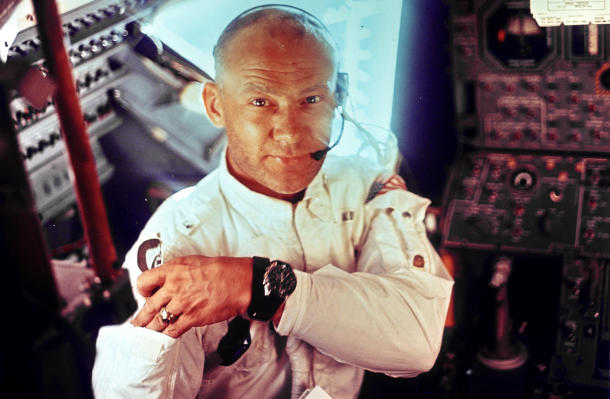
El error informático que pudo arruinar el alunizaje de la misión Apolo 11
La misión que llevó al hombre a pisar la Luna por primera vez estuvo llena de dificultades. Quizá la última de ellas fue resolver un error informático que saltó poco […]
-
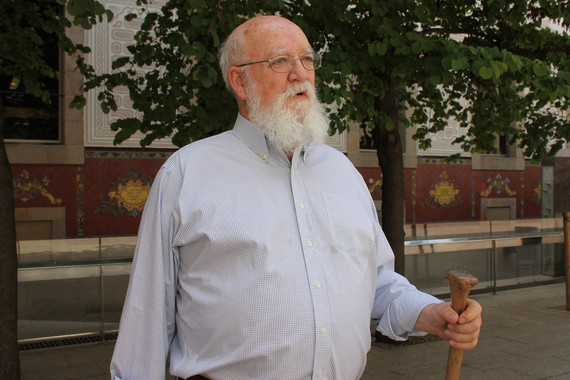
“La religión no es el motor de la moral sino el freno que ha ralentizado su desarrollo”
A Daniel Dennett (Boston, 1942) le gusta parecerse a Charles Darwin. Este filósofo evolucionista ha dedicado toda su vida a pensar por qué somos como somos y por qué pensamos […]
-
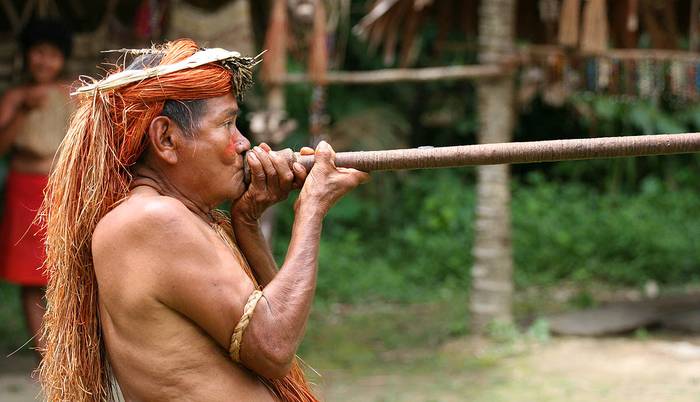
Amazoniarrak eta ozeaniarrak genetikoki lotuta
Amerikarren jatorriari buruzko datu berriak eman dituzte DNAn oinarritutako bi ikerketak Amerikarren jatorriari buruzko datu berriak eman dituzte DNAn oinarritutako bi ikerketak