

The New York Times
-
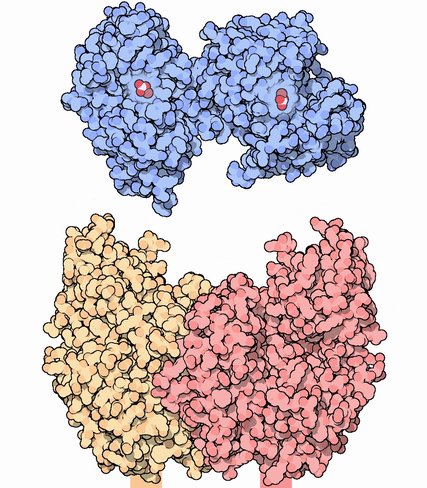
An Evolutionary Battle Against Bacteria
Every disease has a history. Some of that history is written in books, and some is written in our DNA.
-
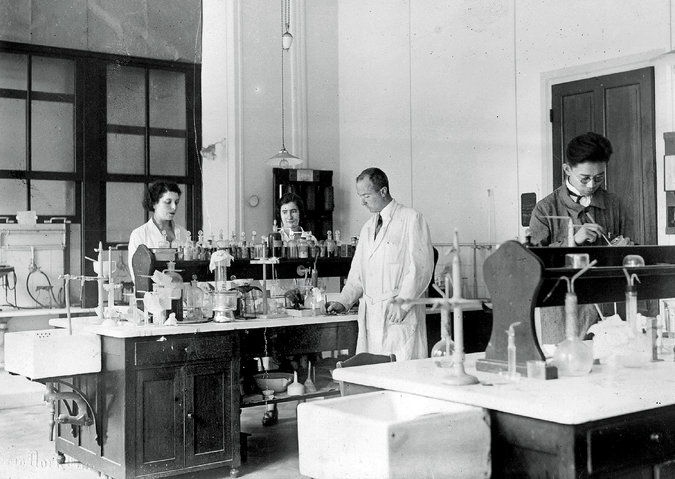
My Great-Great-Aunt Discovered Francium. And It Killed Her.
Just after Christmas of 1938, a young woman named Marguerite Perey — then 29, with a plain, open face, her eyes intent upon her work — sat at a bench in the Radium Institute of Paris, a brick mansion near the Jardin du Luxembourg. In a glass vessel, she examined fluid containing metal salts. She…
-
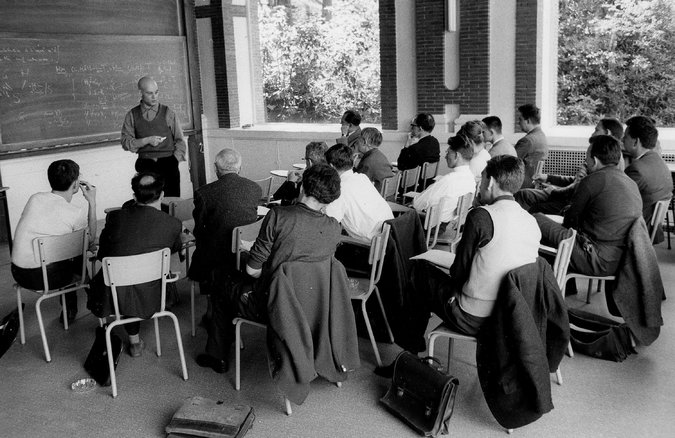
The Lives of Alexander Grothendieck, a Mathematical Visionary
Alexander Grothendieck, who died on Nov. 13 at the age of 86, was a visionary who captivated the collective psyche of his peers like no one else. To say he was the No. 1 mathematician of the second half of the 20th century cannot begin to do justice to him or his body of work.…
-

Fearing Bombs That Can Pick Whom to Kill
Weapons that rely on artificial intelligence to decide what to target could become increasingly difficult to control, critics warn.
-
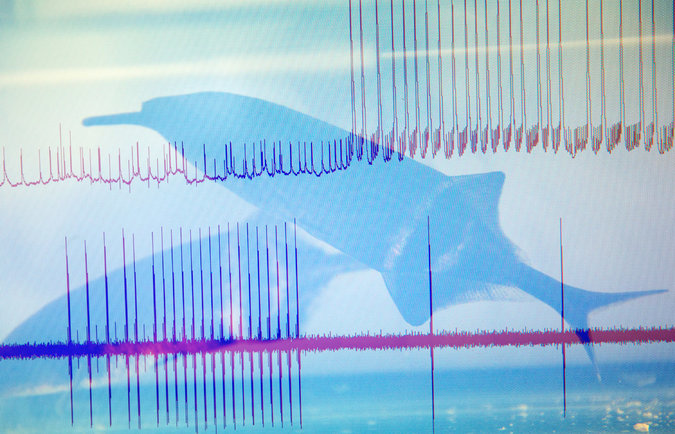
Learning How Little We Know About the Brain
Research on the brain is surging. The United States and the European Union have launched new programs to better understand the brain. Scientists are mapping parts of mouse, fly and human brains at different levels of magnification. Technology for recording brain activity has been improving at a revolutionary pace. Yet the growing body of data…
-
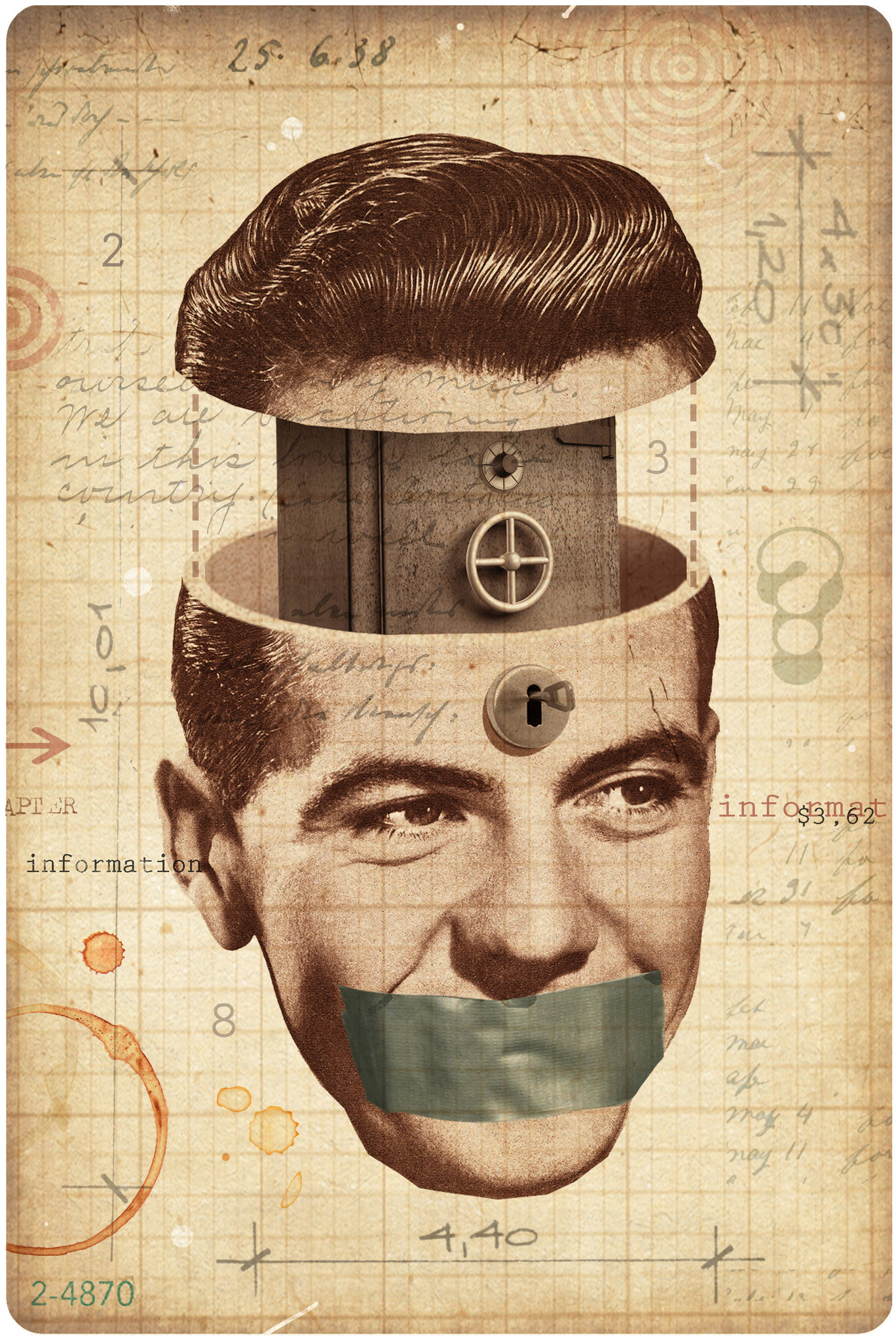
When Those Who Know Won’t Share
There is no “I” in team, we are told. It’s important for workers to share information and collaborate. So why would employees deliberately hide knowledge from their colleagues? And yet they do, all the time.
-
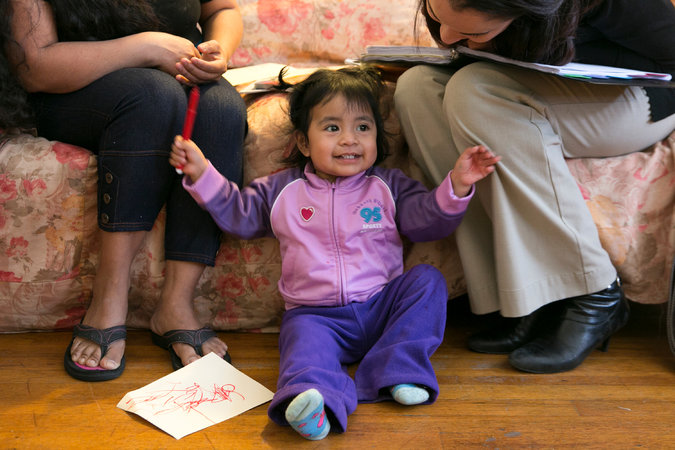
Quality of Words, Not Quantity, Is Crucial to Language Skills, Study Finds
It has been nearly 20 years since a landmark education study found that by age 3, children from low-income families have heard 30 million fewer words than more affluent children, putting them at an educational disadvantage before they even began school. The findings led to increased calls for publicly funded prekindergarten programs and dozens of…
-
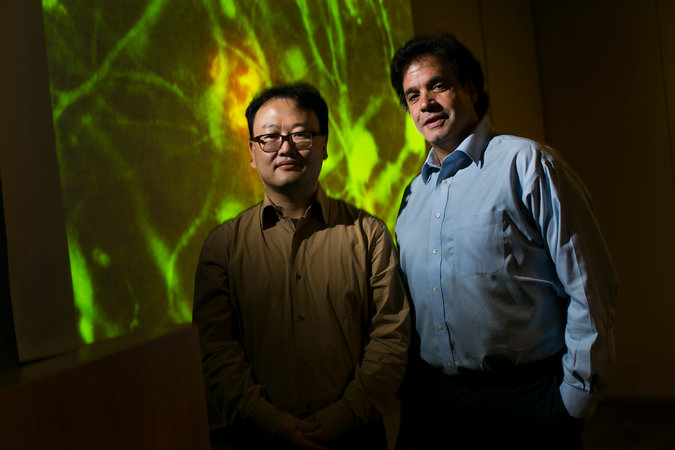
Breakthrough Replicates Human Brain Cells for Use in Alzheimer’s Research
For the first time, and to the astonishment of many of their colleagues, researchers created what they call Alzheimer’s in a Dish — a petri dish with human brain cells that develop the telltale structures of Alzheimer’s disease. In doing so, they resolved a longstanding problem of how to study Alzheimer’s and search for drugs…
-

Turning to Darwin to Solve the Mystery of Invasive Species
Invasive species are both a fact of life and a scientific puzzle. Humans transport animals and plants thousands of miles from where they first evolved — sometimes accidentally, sometimes intentionally. Many of those species die off in their new homes. Some barely eke out an existence. But some become ecological nightmares. In the Northeast, emerald…