

The Guardian
-

Why is the scientific revolution still controversial? (podcast)
David Wootton’s new book challenges the notion that knowledge is culturally relative and truth is simply consensus
-
Astronomers capture revolution of far distant planets
The best views yet of a planet moving around a star 63 light years away, have been photographed by the Gemini South telescope in Chile
-
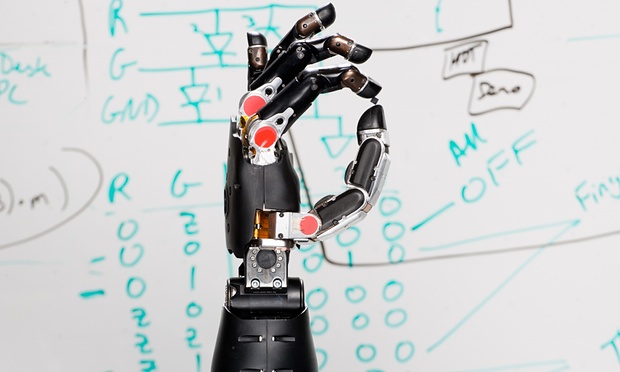
Man fitted with robotic hand wired directly into his brain can ‘feel’ again
Advanced prosthetic allows paralysed man to control movements and register when the robotic hand is touched
-

Toxic shock: Agatha Christie’s poisons
The queen of crime is known for her obscure plots and fiendish clues, but her expertise with poisons often goes unnoticed
-
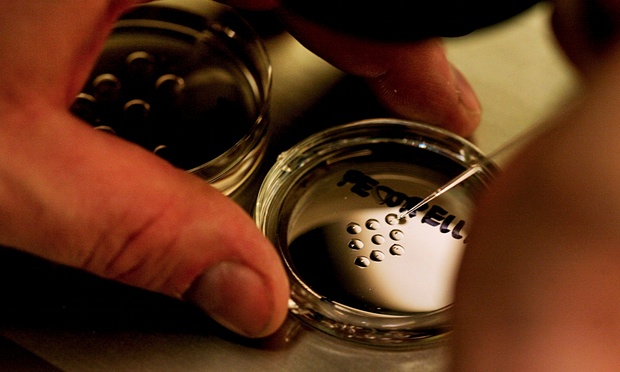
GM embryos: time for ethics debate, say scientists
Wellcome Trust, Medical Research Council and others call for debate on potential of altering DNA to prevent diseases – and risk of ‘designer babies’
-

Heroes, monsters and people: When it comes to moral choices, outstanding physicists are very ordinary
Did German physicists have a plan in the 1930s? And if so, was their physics any help?
-
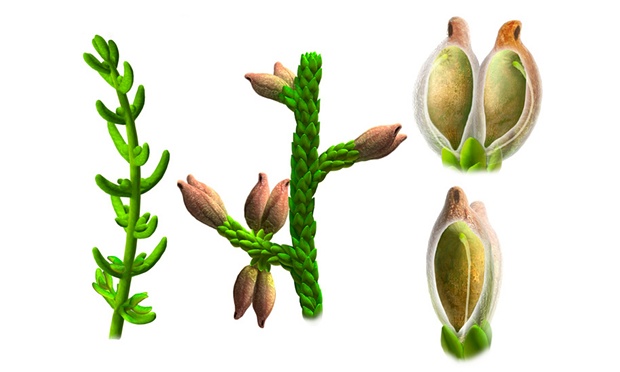
Fossilised remains of world’s oldest flower discovered in Spain
Ancient aquatic plant thought to be world’s first flower; studying it could provide a solution to modern pollination issues linked to decline of bee population
-
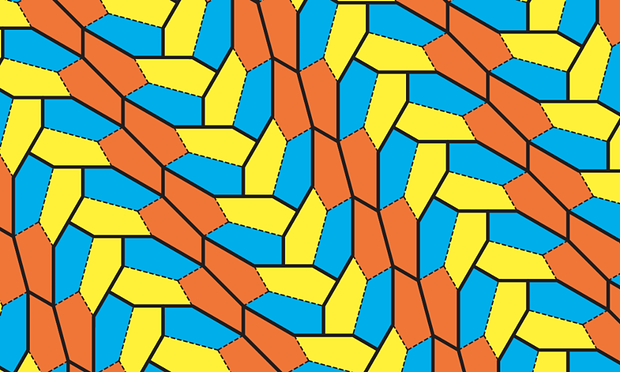
Attack on the pentagon results in discovery of new mathematical tile
Joy as mathematicians discover a new type of pentagon that can cover the plane leaving no gaps and with no overlaps. It becomes only the 15th type of pentagon known […]
-

Nobel Prizes in science: strictly a man’s game?
A new play examines why less than 3% of Nobel laureates in science are women –and highlights the stories of a few of those who have succeeded