

The Guardian
-
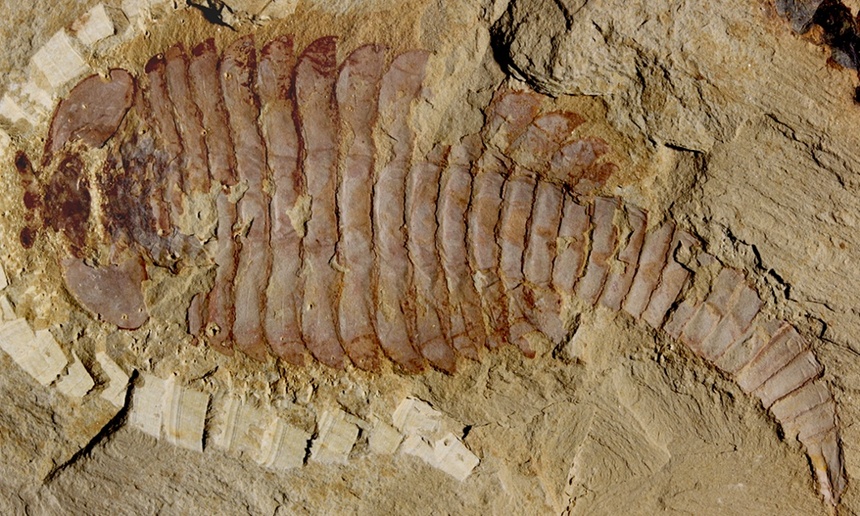
Ancient arthropod brains surprise paleontologists
Exceptionally well-preserved 520-million-year-old arthropod brains overturn the old idea that nervous tissue does not fossilize, and provide fresh insights into brain evolution
-
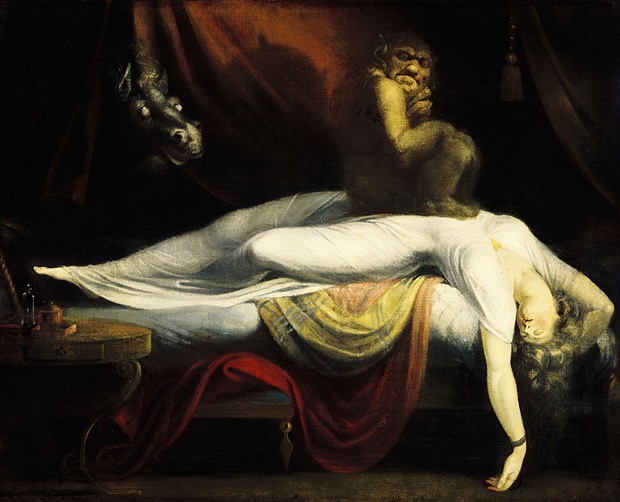
Vampires, ghosts and demons: the nightmare of sleep paralysis
Tales of things that go bump in the night have existed for centuries, but they may in fact be part of a surprisingly common neurological phenomenon
-
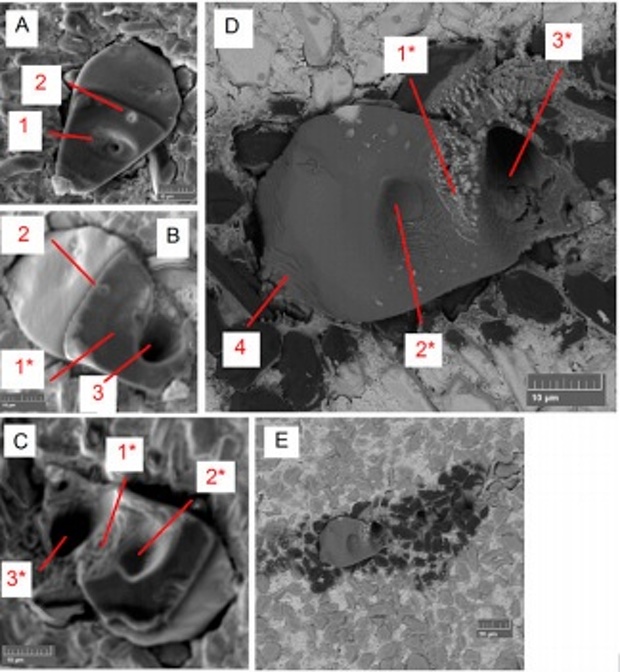
Life on Earth may have begun 300m years earlier than previously thought
Discovery, if confirmed, indicates that living organisms appeared on Earth 4.1 billion years ago, remarkably soon after its formation
-

Ravens cooperate with friends not foes
Ravens spontaneously cooperate to solve problems, but prefer to do so with some individuals over others
-

Why Ada Lovelace Day matters
Ada Lovelace Day celebrates women in science, highlighting role models to inspire the next generation
-

What happened to wildlife when Chernobyl drove humans out? It thrived
People were evacuated after the Chernobyl accident, but what happened to the local wildlife? A new study shows that wildlife in the Chernobyl disaster zone is thriving, indicating that the […]
-

Asteroid that killed dinosaurs also intensified volcanic eruptions
Research on the Deccan Traps in India reveals massive rise in lava flows around time of impact of Mexico’s Chicxulub crater 65m years ago, increasing the catastrophe for ecosystems
-
Dormant viruses may cause motor neuron disease when awoken
Human endogenous retroviruses may cause or contribute to some forms of amyotrophic lateral sclerosis
-

Always fidgeting? Well, you just might be doing yourself a world of good
Study of 12,000 UK women found fidgeters could be protecting themselves against effects of sitting for long periods at work