

The Guardian
-
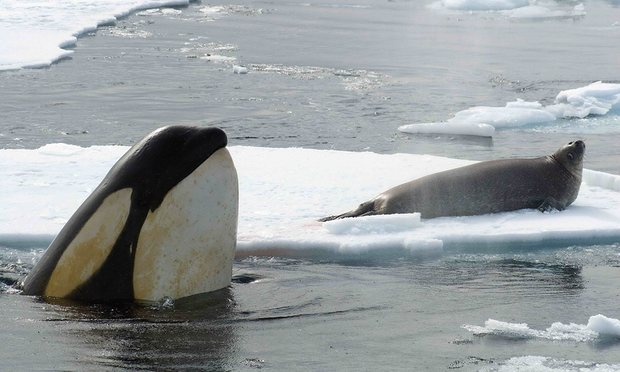
Secrets of killer whale evolution revealed by genetic study
Orcas exist in every ocean, adapting to different conditions and diets. Genome sequencing has allowed insights into their evolution – and similarity to humans
-
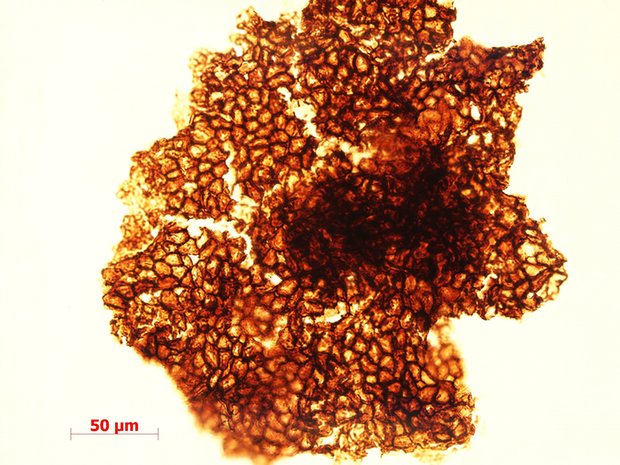
Complex life on Earth began billion years earlier than previously thought
Fossils from China are said to prove that multi-cellular organisms evolved as early as 1.5bn years ago – but some experts dismiss findings
-

Huntington’s disease: the new gene therapy that sufferers cannot afford
Efforts to treat Huntington’s disease involve costly drugs way beyond the reach of the poor communities in South America who take part in research studies
-
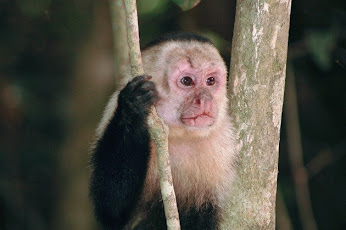
The foul reign of the biological clock
It seems like the concept of the biological clock has been with us forever. In fact, the metaphor was invented in the late 1970s. And it has been used to […]
-
People power: how citizen science could change historical research
Crowdsourcing research by ‘non-specialists’ could help historians investigate big-data archives, and in the process make everyone an expert
-
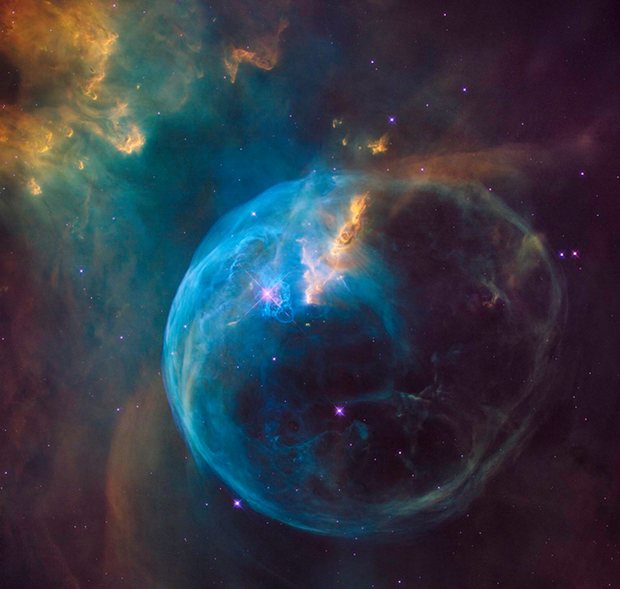
Stunning Hubble Bubble Nebula image marks telescope’s 26th birthday
The space telescope celebrates its anniversary on 24 April; this spectacular image of a cloud of gas and dust 8,000 light years away celebrates the occasion
-
Dinosaurs in decline long before asteroid catastrophe, study reveals
New research resolves longstanding controversy, showing dinosaurs were already heading for extinction before the asteroid strike that sealed their fate
-

Brave new world? Sci-fi fears ‘hold back progress of AI’
Chris Bishop fears concern over Terminator-style scenarios could deprive humanity of one of the most powerful technologies ever created
-
The sugar conspiracy
In 1972, a British scientist sounded the alarm that sugar – and not fat – was the greatest danger to our health. But his findings were ridiculed and his reputation […]