

The Conversation
-

Clumped cancer cells spread more efficiently through the body than lone ones
Nine out of ten cancer patients die because cancer cells enter the blood circulation, spread and form tumours at distant organs. In circulation, cells can move individually or in a cluster. It is believed that cells moving individually pose the highest risk of forming tumours and are the primary “villains”. A recent study we published…
-

Spiders disguise themselves as ants to hide and hunt their prey
All spiders are predators, but most of them are small and have rudimentary defences against larger animals that in turn prey on them. Spiders have thus evolved a range of predatory behaviours that, at the same time, allow them to evade the threat of predation. Some of the most effective strategies involve deceiving ants.
-
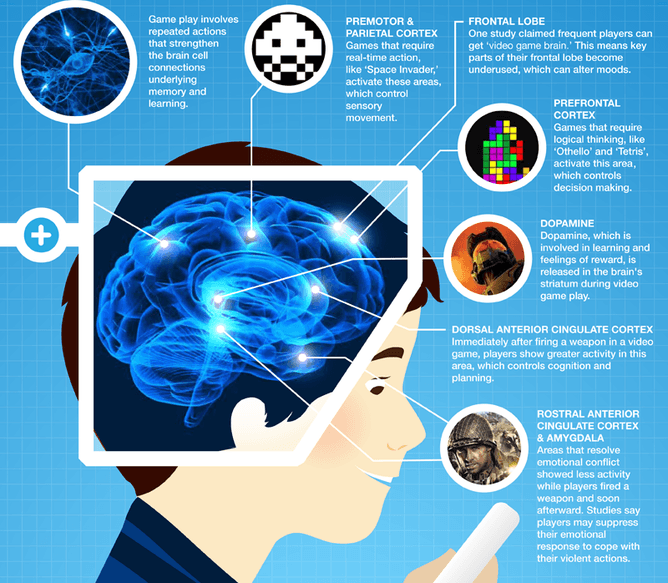
Playing video games is good for your brain – here’s how
To add to a long line of studies demonstrating the more positive effects of video games is a study in the Proceedings of the National Academy of Sciences by Vikranth Bejjanki and colleagues. Their newly published paper demonstrates that the playing of action video games – the sort of fast-paced, 3D shoot-em-up beloved of doomsayers in…
-
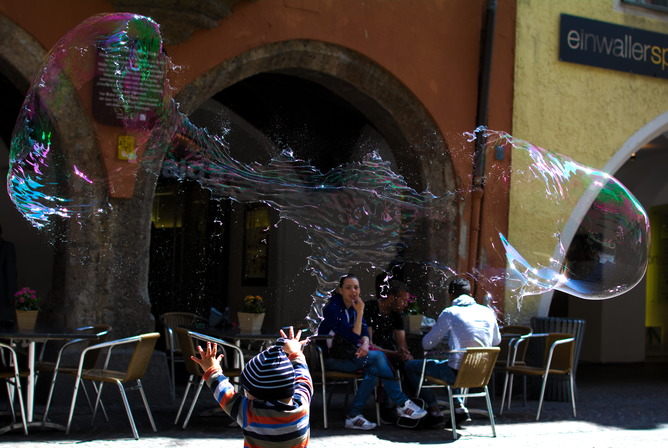
Scientific research can be prone to bubbles too – neuroscience risks being the next one
Science, like any other field that attracts investment, is prone to bubbles. Overly optimistic investments in scientific fields, research methods and technologies generate episodes comparable to those experienced by financial markets prior to crashing.
-
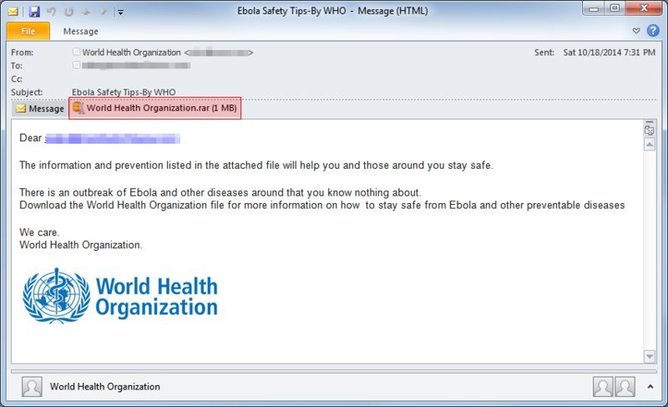
In cybersecurity, the weakest link is … you
A chain is only as strong as its weakest link. Computer security relies on a great number of links, hardware, software and something else altogether: you. The greatest threat to information security is actually people. Why strive to defeat encrypted passwords stored in computers, when those computers’ human users will turn them over willingly?
-

Open minded? Here’s how much facial stereotyping influences your decisions
When we make important social decisions – which political candidate to vote for, whether to trust someone with our money, whether a person is guilty of a crime – we’d like to think we do so rationally, and solely based on relevant pieces of information. After all, given the high stakes involved, we’d be foolish…