

Science News
-
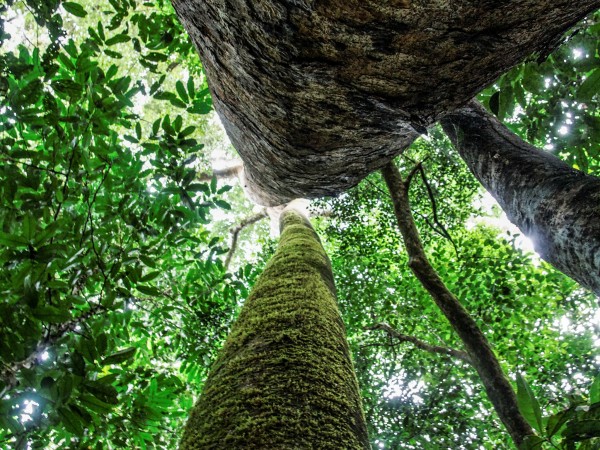
Tropical forests may not combat climate change
Tropical forests may not save us from global warming. Scientists have long believed that as atmospheric carbon dioxide rises, the greenhouse gas could boost photosynthesis, enabling tropical and other forests to take up more carbon and store it as wood. Some data suggest this “carbon fertilization” effect is already happening, and many climate models assume…
-
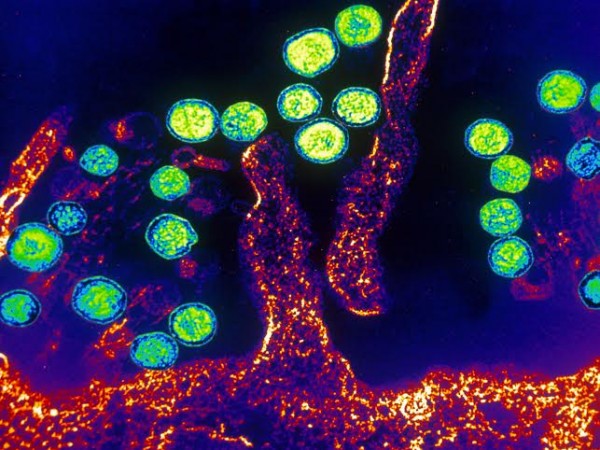
Cows with human chromosomes enlisted to fight hantavirus
A team led by researchers at the U.S. Army Medical Research Institute of Infectious Diseases (USAMRIID) in Frederick, Maryland, has used genetically engineered cows to produce large amounts of human antibodies against hantavirus, an often deadly disease mainly transmitted from rodents to people
-

Warming world could make it harder for planes to take off
Air travel is about to become even more frustrating. Warmer global temperatures will make it tougher for planes to take off, tightening restrictions on just how much luggage or how many people can come aboard, a new study suggests.
-
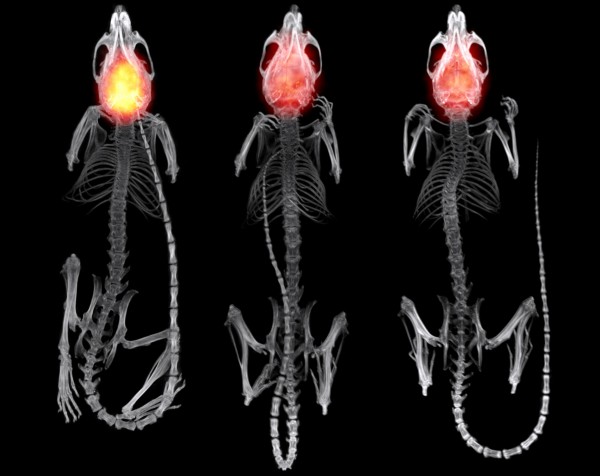
Body’s bacteria may keep our brains healthy
The microbes that live in your body outnumber your cells 10 to one. Recent studies suggest these tiny organisms help us digest food and maintain our immune system. Now, researchers have discovered yet another way microbes keep us healthy: They are needed for closing the blood-brain barrier, a molecular fence that shuts out pathogens and…
-

Study of gay brothers may confirm X chromosome link to homosexuality
Dean Hamer finally feels vindicated. More than 20 years ago, in a study that triggered both scientific and cultural controversy, the molecular biologist offered the first direct evidence of a “gay gene,” by identifying a stretch on the X chromosome likely associated with homosexuality. But several subsequent studies called his finding into question. Now the…
-
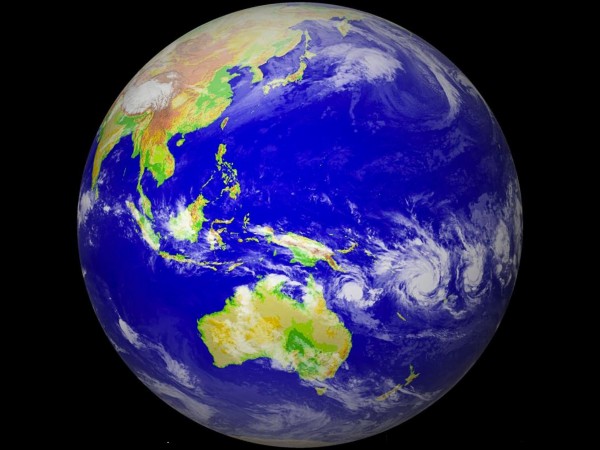
Where is global warming’s missing heat?
Call it the climate change conundrum: Even though humans are pumping more greenhouse gases than ever into the atmosphere, the world’s average air temperature isn’t rising as quickly as it once did. Some scientists have proposed that the missing heat is actually being trapped deep underwater by the Pacific Ocean. But a new modeling study…
-
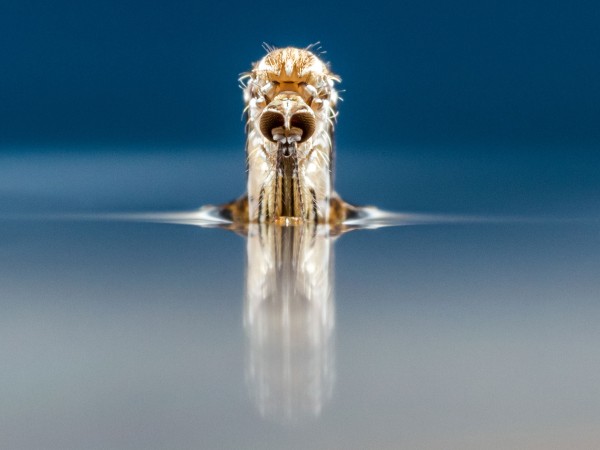
Gene turns mosquito into vampire
Out of the millions of species of insects, only about a hundred suck human blood. Now, scientists say they’ve figured out how one mosquito became a vampire: a gene that makes it particularly sensitive to human odor.
-
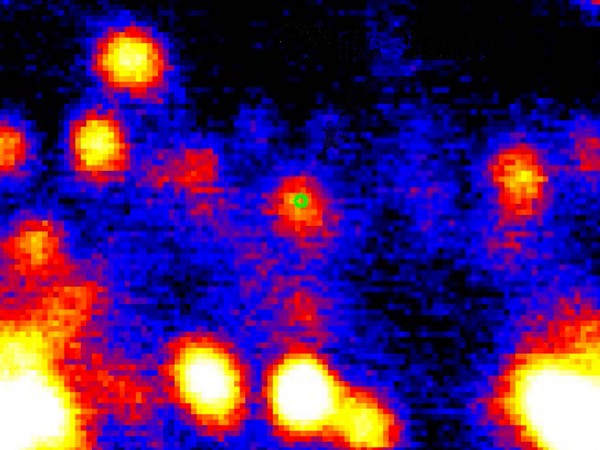
Astronomers identify mysterious object at heart of Milky Way
A mysterious astronomical object known simply as G2 has intrigued and confounded researchers ever since it was found to be on a near-collision course with the supermassive black hole at the center of our galaxy. When it failed to produce the predicted celestial fireworks over the past few months, astronomers were left scratching their heads.…
-
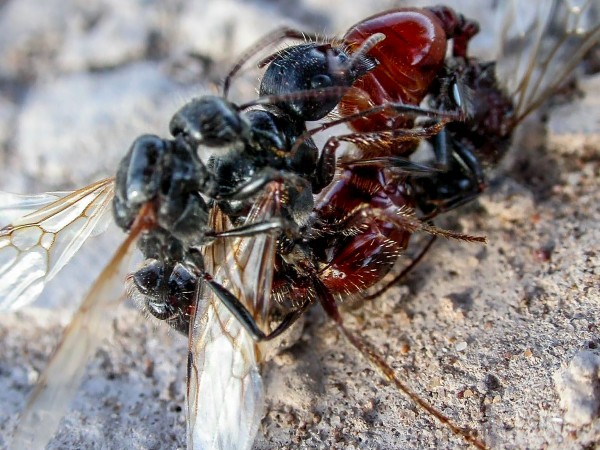
Why female ants battle for foreign sperm
Once a year, after the summer monsoon rains, two species of harvester ants (Pogonomyrmex) join in a mad mating frenzy, as in the photo above. The queens aren’t making a mistake by hooking up with the wrong species, scientists report in the Proceedings of the Royal Society B. Instead, they use the sperm from the…