

Los Angeles Times
-

Human fist evolved to punch
Human hands may have developed the ideal shape over time for punching, according to a new study using male cadaver arms.
-

Old-school and current vaccines have no link to autism (again)
Multiple vaccines containing the preservative thimerosal, administered to macaque monkeys on the schedule that pediatricians followed in the 1990s, resulted in none of the key brain or behavioral changes linked to autism, a new study shows.
-

Found: A 6-foot-long ‘sea scorpion’ that lived 450 million years ago
Scientists have found evidence of a giant scorpion-like animal that roamed the seas hundreds of millions of years before the dinosaurs.
-

The human ‘superpredator’ is unique — and unsustainable, study says
A new study that examined more than 2,000 predator-prey interactions in populations around the globe has found that humans don’t only kill top carnivores at a rate far higher than all other top predators combined, but that our particular hunting behaviors are so devastating to species on land and sea that they challenge these populations’…
-
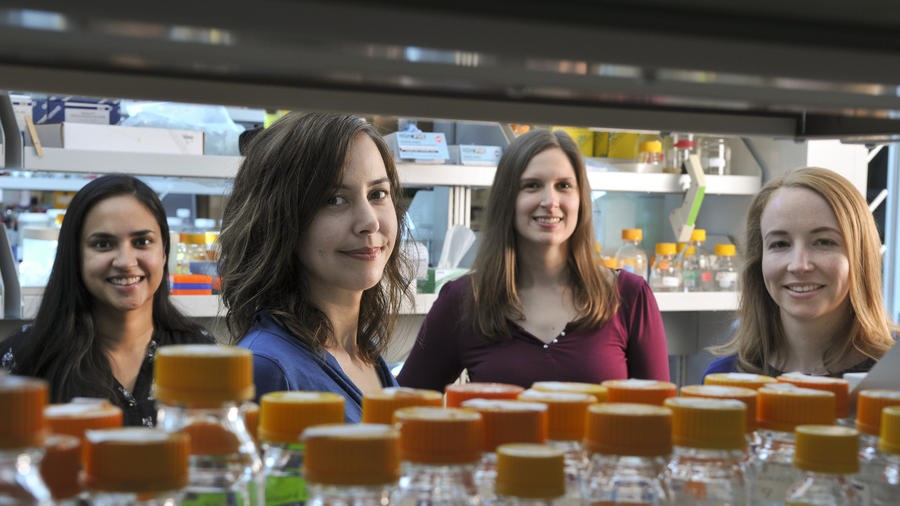
Team makes Vicodin component in yeast, says ‘home brew’ opiates still not feasible
Earlier this summer, a flurry of scientific papers and news reports warned of the likely arrival, sometime soon, of “home brew heroin” — opiate drugs that might be brewed using yeast, just like beer or wine are, possibly in the privacy of your own home.
-

As galactic light fades, astronomers study the death of the universe
Here’s some cosmically bad news: The universe is dying. An international team of scientists that used seven powerful telescopes around the world to capture light coming from more than 200,000 galaxies has found that they’re putting out half of the light that they did just 2 billion years ago – and they’re continuing to fade.
-

To fend off dementia, run — or dance, bike, power-walk or step
Scientists testing experimental drugs to prevent or reverse Alzheimer’s disease have for years endured a drumbeat of inconclusive and disappointing trial results. But dementia researchers meeting in Washington, D.C., this week got some unexpectedly good news on the benefits of a therapy that is readily available, inexpensive to deliver and free of unwanted side effects.…
-
Stem cell treatments for mitochondrial disease may be possible
Doctors have limited options for treating mitochondrial disease, but a team led by a prominent innovator may have taken an important step toward developing new therapies: rewinding diseased cells from patients to create pluripotent stem cells with healthy mitochondrial DNA.ct
-

These ‘babbler’ birds could shed light on human language
Move over, parrots. Here’s another bird with some impressive “language” skills: The chestnut-crowned babbler. Scientists studying the social birds have discovered that they can rearrange meaningless sounds in their calls to form different, meaningful messages.