

Resultados de búsqueda para: “search”
-
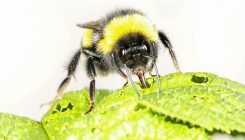
[:es]Hungry bumble bees make plants flower early by cutting holes in their leaves[:]
[:es]When bumble bee queens emerge from hibernation, they need to gather pollen and nectar to start their new colonies. If they wake up too soon, there may not be enough flowers in bloom. Now, researchers have discovered the bees have a way to order some fast food: They nibble holes in leaves, spurring plants to…
-
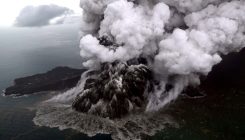
[:es]The new science of volcanoes harnesses AI, satellites and gas sensors to forecast eruptions[:]
[:es] Forty years after the Mount St Helens eruption galvanized volcano researchers, they are using powerful new tools to spy on the world’s most dangerous mountains. [:]
-

[:es]Can nuclear fallout make it rain?[:]
[:es]Radioactive fallout is rarely a good thing. But new research suggests charged particles emitted from Cold War–era nuclear tests may have boosted rainfall thousands of kilometers away from the testing sites, by triggering electrical charges in the air that caused water droplets to coalesce.[:]
-
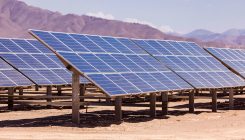
[:es]New solar panels suck water from air to cool themselves down[:]
[:es]Like humans, solar panels don’t work well when overheated. Now, researchers have found a way to make them “sweat”—allowing them to cool themselves and increase their power output.[:]
-
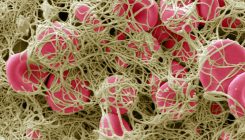
[:es]Coronavirus blood-clot mystery intensifies[:]
[:es] Research begins to pick apart the mechanisms behind a deadly COVID-19 complication. [:]
-

[:es]Ancient DNA reveals staying power of early people of the Andes[:]
[:es]Some of the world’s more famous and closely examined archaeological sites pepper the hillsides of the Central Andes, documenting an invention of farming and the rise and fall of powerful civilizations such as the Inca. Now, the largest study of ancient human genomes in South America has added a personal touch to the artifacts. The…
-

[:es]Whose coronavirus strategy worked best? Scientists hunt most effective policies[:]
[:es] Researchers sift through data to compare nations’ vastly different containment measures. [:]
-
[:es] Diamonds may shine in energy storage[:]
[:es] Australian researchers propose a new approach. [:]
-
[:es]Why Sex? Biologists Find New Explanations[:]
[:es]Why did sex evolve? Theories usually focus on the diversity of future generations, but some researchers find compelling explanations in the immediate benefits to individuals.[:]