

The Conversation
-
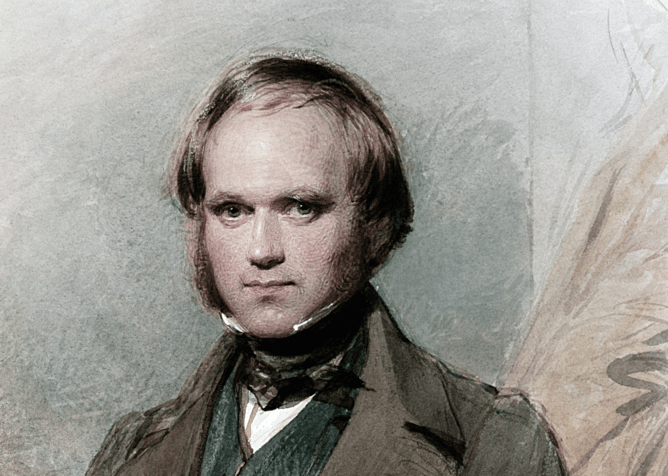
Revealed: the great geologist behind the Origin of Species
To understand how Darwin arrived at these conclusions it is necessary to turn to the manuscripts from the first half of his life. They reveal something that is not nearly so well known about Darwin: he was also a great geologist. Not only that, his geological work was essential to developing his great insight into…
-

How frogs and fish can help us learn to freeze humans
From Star Wars to Futurama to Alien, the idea that humans can be frozen in time in order to be awoken later is a well-established sci-fi trope. While stopping biological time or inducing long-term hibernation is still as far off as the long-distance space travel that it’s associated with in fiction, we can freeze and…
-
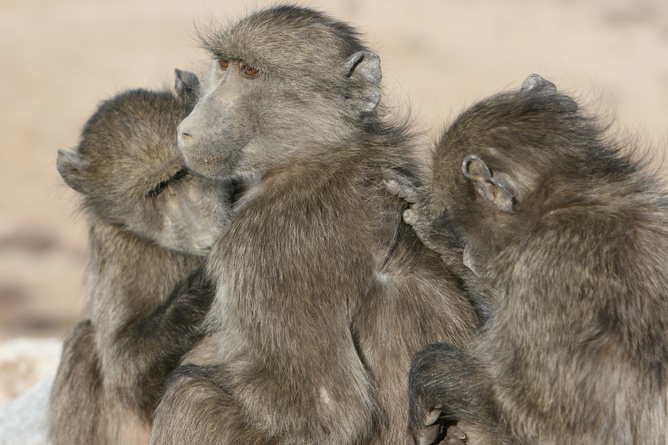
Here’s what baboons can teach us about social media
“Birds of a feather flock together” is a saying that exists in a number of different languages. “Gambá cheira gambá” (opossums smell other opossums) in Brazilian Portuguese is a particularly colourful example. The reason is that like-minded people like to hang out together across many cultures. And it seems the same is true of baboons.
-
Sex offending may be in the genes but knowing that won’t prevent it
The research, which analysed DNA from 21,566 men convicted of sex offences in Sweden between 1973 and 2009, found that sons and brothers of convicted sex offenders were four to five times more likely to be convicted of sex crimes than men in the general population.
-

Number-crunching Higgs boson: meet the world’s largest distributed computer grid
The world’s largest science experiment, the Large Hadron Collider, has potentially delivered one of physics’ “Holy Grails” in the form of the Higgs boson. Much of the science came down to one number – 126, the Higgs boson’s mass as measured in gigaelectronvolts. But this three-digit number rested upon something very much larger and more…
-
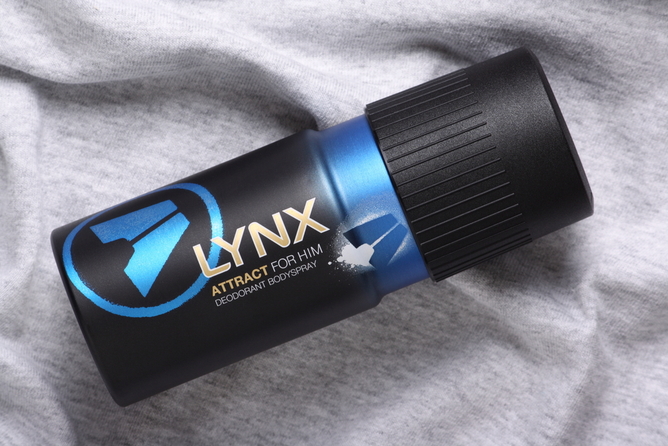
There’s no evidence human pheromones exist – no matter what you find for sale online
The idea of human pheromones is intuitively appealing, conjuring up the idea of secret signals that make us irresistible to potential partners. But this connection of pheromones with sex may be the wrong way to look at the issue – because despite 45 years of study and various claims over the years there’s still not…
-
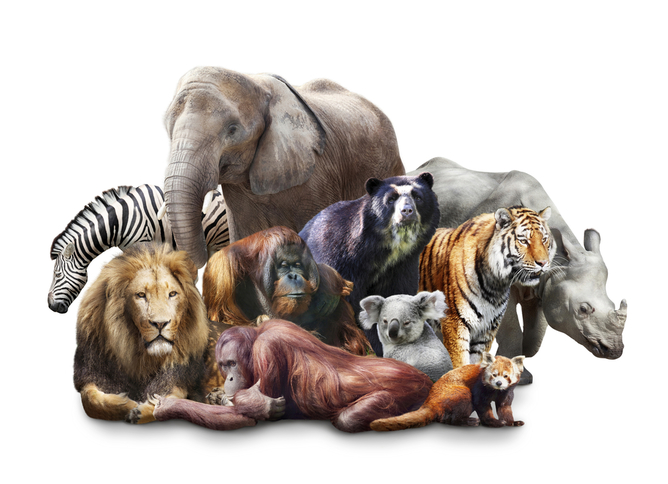
We’re all mammals – so why do we look so different?
It is easy to distinguish a mouse from a cow. But for members of the same class of mammal, where do such differences begin? In 2011, scientists discovered there were differences in cow and mice blastocysts, the tiny hollow spheres of cells which precede the development of the embryo.
-
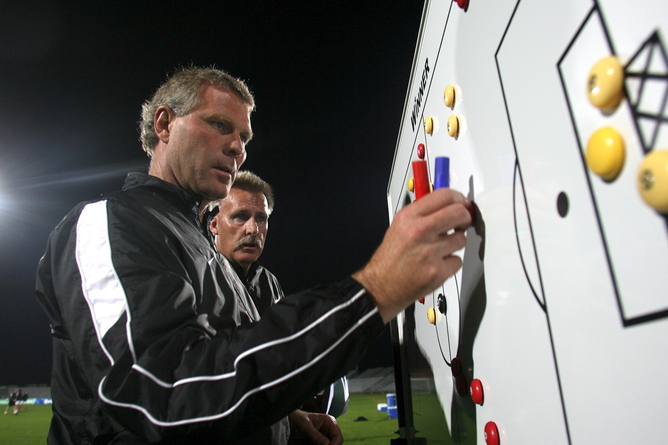
On the origin of 4-4-2: evolution, animals and football
Natural selection has shaped many different animal groups, from V-like formations of bird flocks to circular mills of schooling fish. These shapes are the result of millions of years of evolution. Animals that hold their formation survive and those that don’t follow the group die out, either left behind or picked off by predators.
-
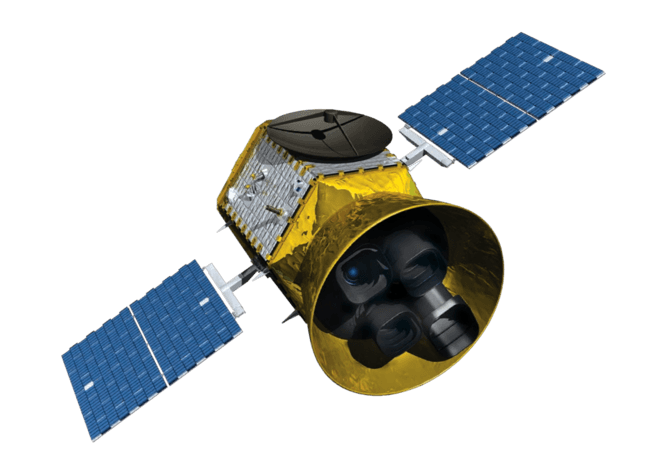
After Kepler, what is next for the planet hunters?
The Kepler telescope is limping. Since 2013, it has not been able to point with sufficient accuracy to planet hunt in its original field, which caused a temporary halt to data collection. Although a fresh “K2” mission is underway to utilise Kepler’s substantial remaining capabilities, eyes are turning to the next big planet finding mission.…