

Science
-

Why big societies need big gods
The gods of today’s major religions are also moralizing gods, who encourage virtue and punish selfish and cruel people after death. But for most of human history, moralizing gods have been the exception. If today’s hunter-gatherers are any guide, for thousands of years our ancestors conceived of deities as utterly indifferent to the human realm,…
-

New electric storage material could put more zip in your Tesla
The next electric car you buy might have a little extra zip. That’s because researchers have developed a new electric storage material that’s among the best at holding large amounts of charge as well as charging and discharging in just seconds. Moreover, because the starting materials for making it are commercially available and relatively cheap,…
-
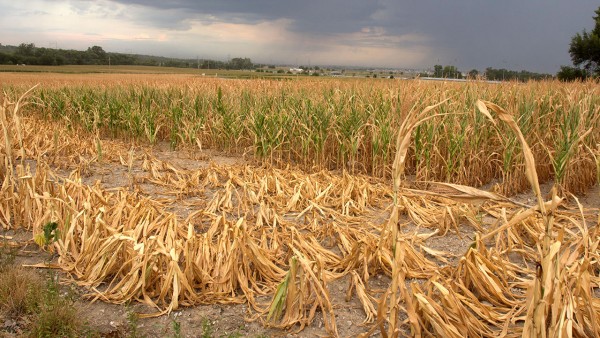
World food supply at growing risk from severe weather
Weather-related crop disasters will become more likely with climate change, warns a detailed report released today by the Global Food Security (GFS) program, a network of public research funding agencies in the United Kingdom.
-

All languages have evolved to have this in common
Have you ever wondered why you say “The boy is playing Frisbee with his dog” instead of “The boy dog his is Frisbee playing with”? You may be trying to give your brain a break, according to a new study. An analysis of 37 widely varying tongues finds that, despite the apparent great differences among…
-
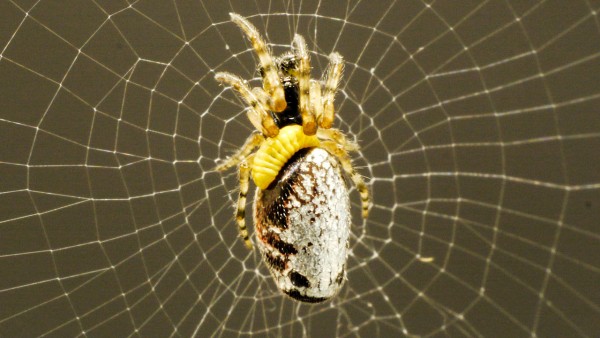
Wasps force zombie spiders to weave ‘cocoon’ webs
For some unlucky spiders, the zombie apocalypse is now. Some parasitic wasp larvae can take over their minds, forcing them to weave special webs the wasps use to support and protect their cocoons. A new study shows that the webs these particular zombie spiders weave are reinforced versions of the ones they normally use while…
-
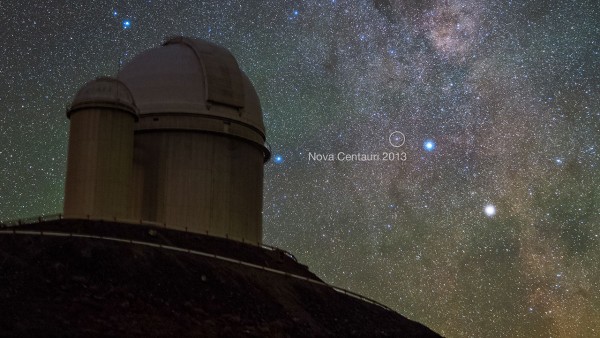
Exploding star solves cosmic mystery
Astronomers have seen for the first time an exploding star—a nova—that seems to churn out lithium, solving a nagging cosmic mystery.
-
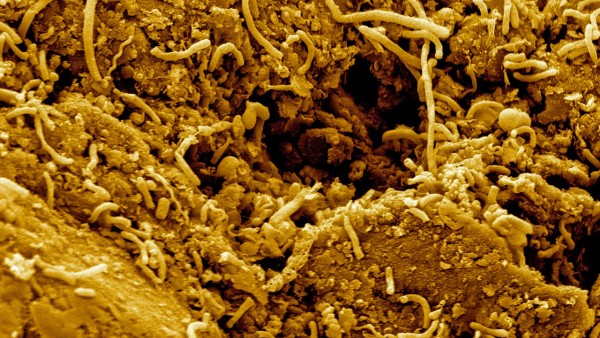
‘It’s like going to Pluto and seeing McDonald’s’
If you want to find some weird, undiscovered organisms, the sediments more than 2 kilometers below the ocean floor should be a good place to look. The heat and pressure are intense, and food is in short supply. But researchers have now obtained the first samples of microorganisms from these depths, and they turn out…
-
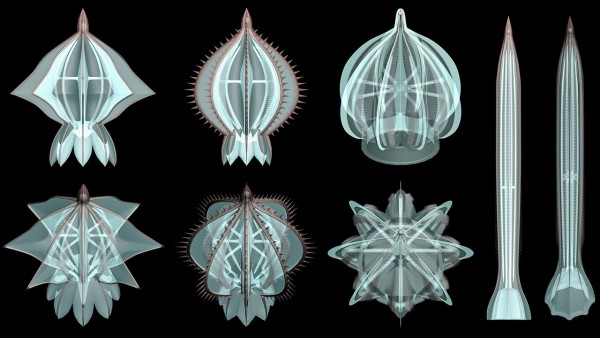
Early jellyfish-like creatures sported armor
Today, sea creatures known as comb jellies have soft bodies like jellyfish, but their ancestors projected a tougher image: tooling up with hard body parts, probably as protection from predators.
-
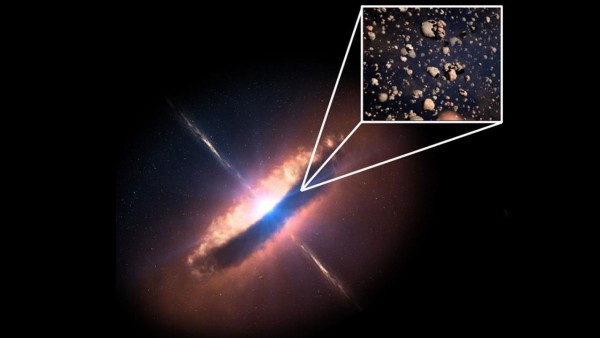
Astronomers spot the pebbles that turn into planets
Astronomers believe that planets form from disks of dust and gas that swirl around young stars. Models suggest that gravity clumps the dust together into tiny pebbles that in turn form larger rocks that eventually become planets. Whereas scientists have seen disks of gas and of dust, the intervening phases between dust and planet have…