
Science
-
![[:es]Five surprising ways AI could be a part of our lives by 2030[:]](https://katedra.eus/app/uploads/2016/09/unnamed-1-4.jpg)
[:es]Five surprising ways AI could be a part of our lives by 2030[:]
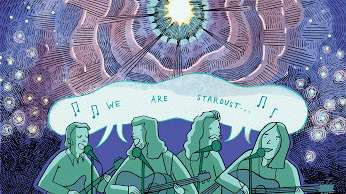
[:es]Defined simply, a computer with AI is able to respond to its environment by learning on its own—without humans providing specific instructions. A new report from Stanford University in Palo Alto, California, outlines how AI could become more integrated into people’s lives by 2030, and recommends how best to regulate it and make sure its…
-
Industrial air pollution leaves magnetic waste in the brain
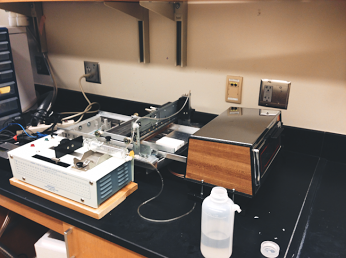
If you live in an urban environment, chances are you’ve got nanomagnets on the brain—literally. New research suggests that most magnetite found in the human brain, a magnetic iron oxide compound, comes from industrial air pollution.
-
The world may soon run out of drugs to treat gonorrhea
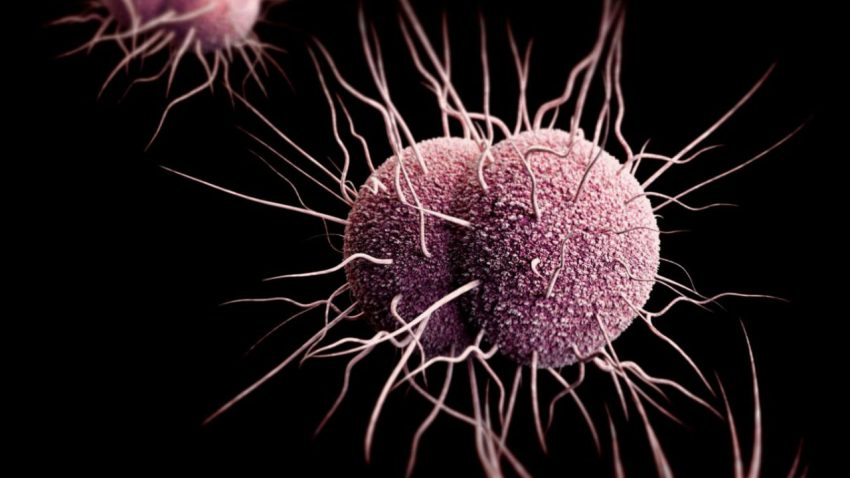
It’s another sign that an era of untreatable bacterial infections is inching closer. The World Health Organization (WHO) released new guidelines for treating gonorrhea that reflect the sobering reality that this sexually transmitted disease is becoming ever more difficult to treat. WHO recommends no longer using quinolones, a class of antibiotics that has become less…
-

Dim nearby galaxy is nearly 100% dark matter
Astronomers have spotted a dim and unexpectedly dense galaxy that may be almost entirely made of dark matter. Dubbed Dragonfly 44, this nearby group of stars (yellowish smudge at center of right image) was discovered just last year and apparently has less than 1% the number of stars in our Milky Way galaxy.
-
Solar still made of bubble wrap could purify water for the poor
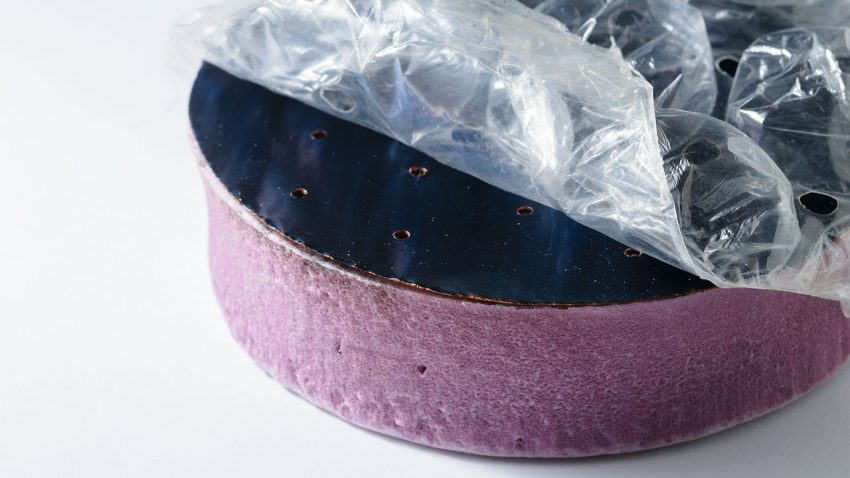
Solar stills can make tainted water or seawater fit to drink. But to produce more than a trickle, devices typically require expensive lenses or other equipment. Not anymore. Today, researchers report that they’ve created a cheap solar still from bubble wrap and other simple materials.
-
Anthrax genome reveals secrets about a Soviet bioweapons accident
Some call it the “biological Chernobyl.” On 2 April 1979, a plume of anthrax spores was accidentally released from a secret bioweapons facility in the Soviet city of Sverdlovsk. Propelled by a slow wind, the cloud drifted southeast, producing a 50-kilometer trail of disease and death among humans and animals alike. At least 66 people…
-
Candidate cancer drug suspected after death of three patients at an alternative medicine clinic
A new type of cancer drug developed at Johns Hopkins University in Baltimore, Maryland, but not yet tested in clinical trials may have triggered the deaths of three patients who were undergoing an alternative cancer treatment by a nonmedical practitioner in Germany. Germany has many such practitioners, and the field is loosely regulated.
-
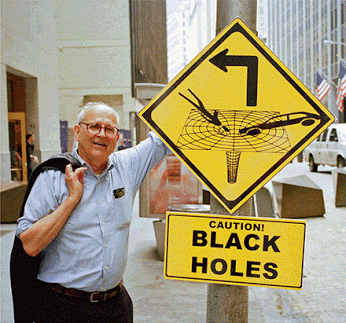
The storyteller
With Rainer Weiss, gravitational wave hunter and likely Nobel laureate, there’s the story—and there’s the subtext.