

Nova next
-
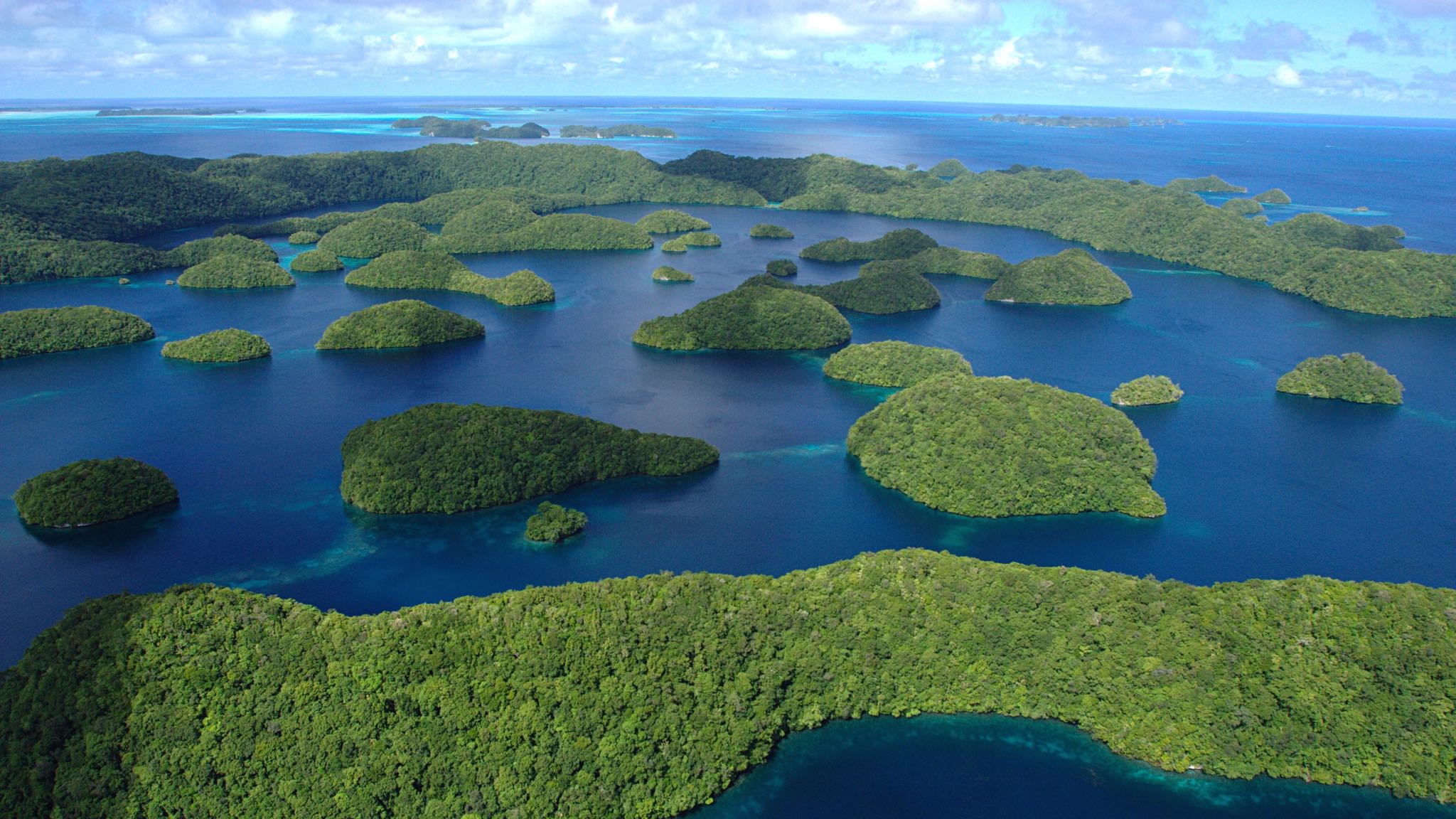
Palau’s Improbably Healthy Coral Reefs
The bad news first: over the next century of climate change, all coral reefs will have to contend with two inextricable, inexorable pressures. One is global warming, where hotter ocean temperatures will lead to the wide-scale “bleaching” of reefs. The second is ocean acidification. About a third of the carbon dioxide we add to the…
-
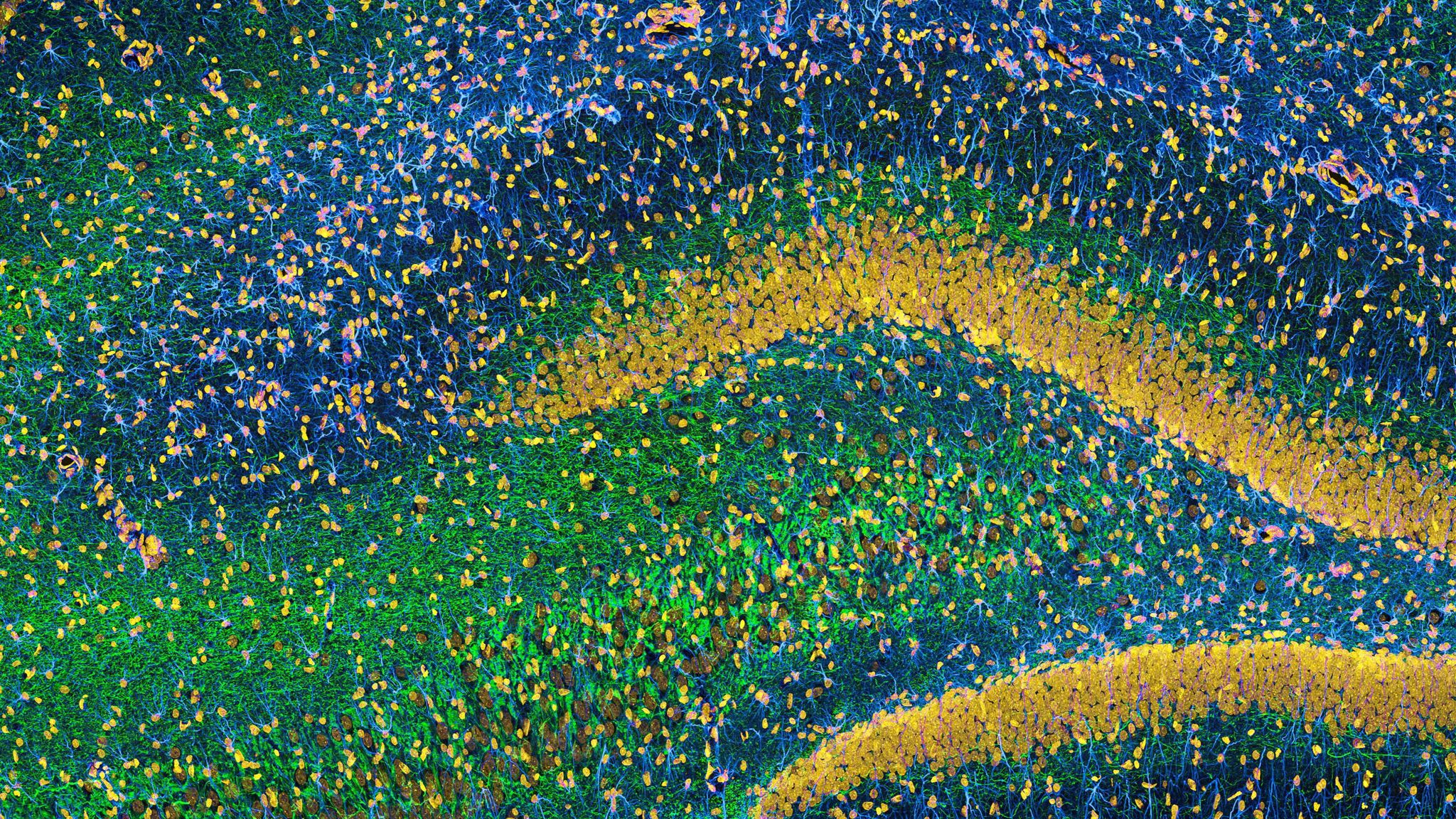
Inside the Memory Machine
Memory prostheses could help the sick and injured by stimulating the hippocampus, but they also raise ethical questions.
-

Fracking’s Hidden Hazards
Hydrologic modeling, and other studies have shown that earthquakes like those at the Rocky Mountain Arsenal occur when injection increases the fluid pressure in the pores and fractures of rocks or soil. By reducing the frictional force that resists fault slip, the increased pore pressure can lubricate preexisting faults. This increase alters the ambient stress…
-

Healing Minds with Virtual Reality
Smell is just the beginning. Slipping on a virtual reality headset, Furlong can open his eyes and find himself in the passenger’s seat of a Humvee with a digitized driver and gunner standing beside him, steadily rolling past Afghan hills while a distant radio jabbers in the background. A pad beneath his feet rumbles to…
-
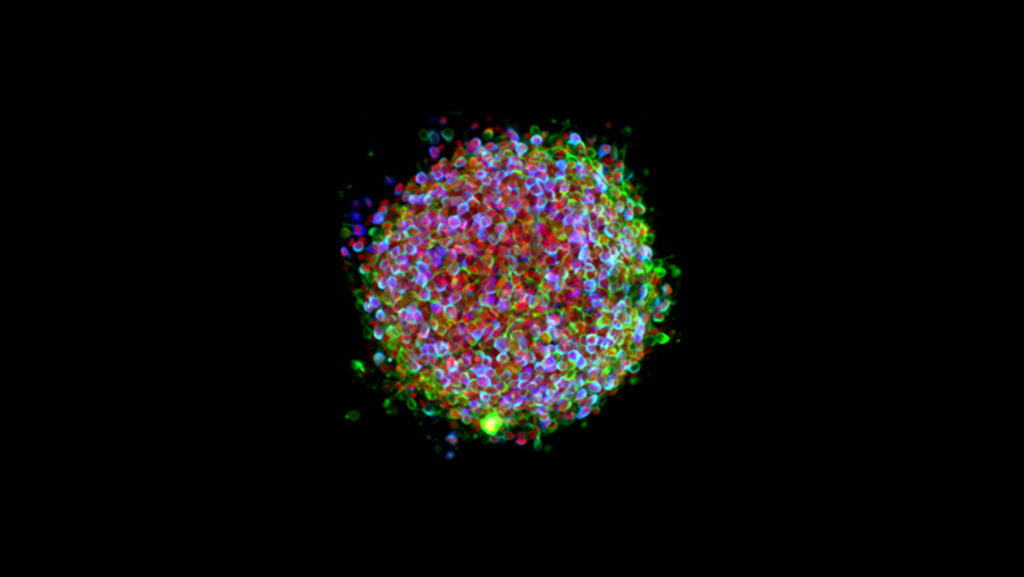
Stem Cells Finally Deliver, But Not on Their Original Promise
In their investigations into the potential therapeutic functions of stem cells, scientists have discovered another way to help those suffering from neurodegenerative and other incurable diseases. With stem cells, researchers can study how these diseases begin and even test the efficacy of drugs on cells from the very people they’re intended to treat.
-
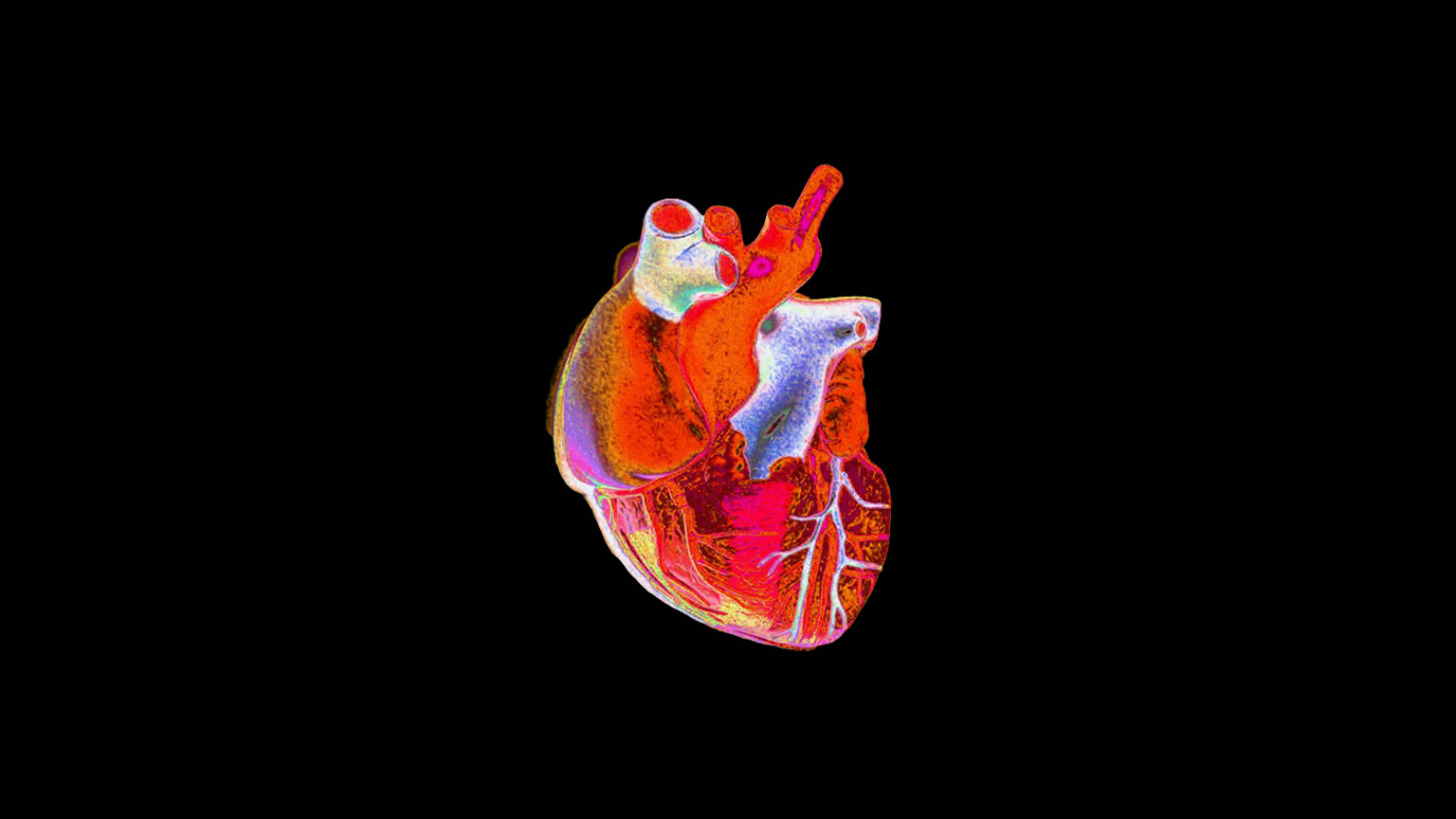
Custom Organs, Printed to Order
Currently, tissue engineering can provide simple, thin tissues including cartilage, skin, and bone. Larger, more complex organs like the liver and heart present much more formidable challenges. They are structurally intricate, contain many different cell types, and require an extensive network of blood vessels. The fact remains that today, if someone needs a complex organ, a…
-
Hope from the Deeps for Coral Reefs
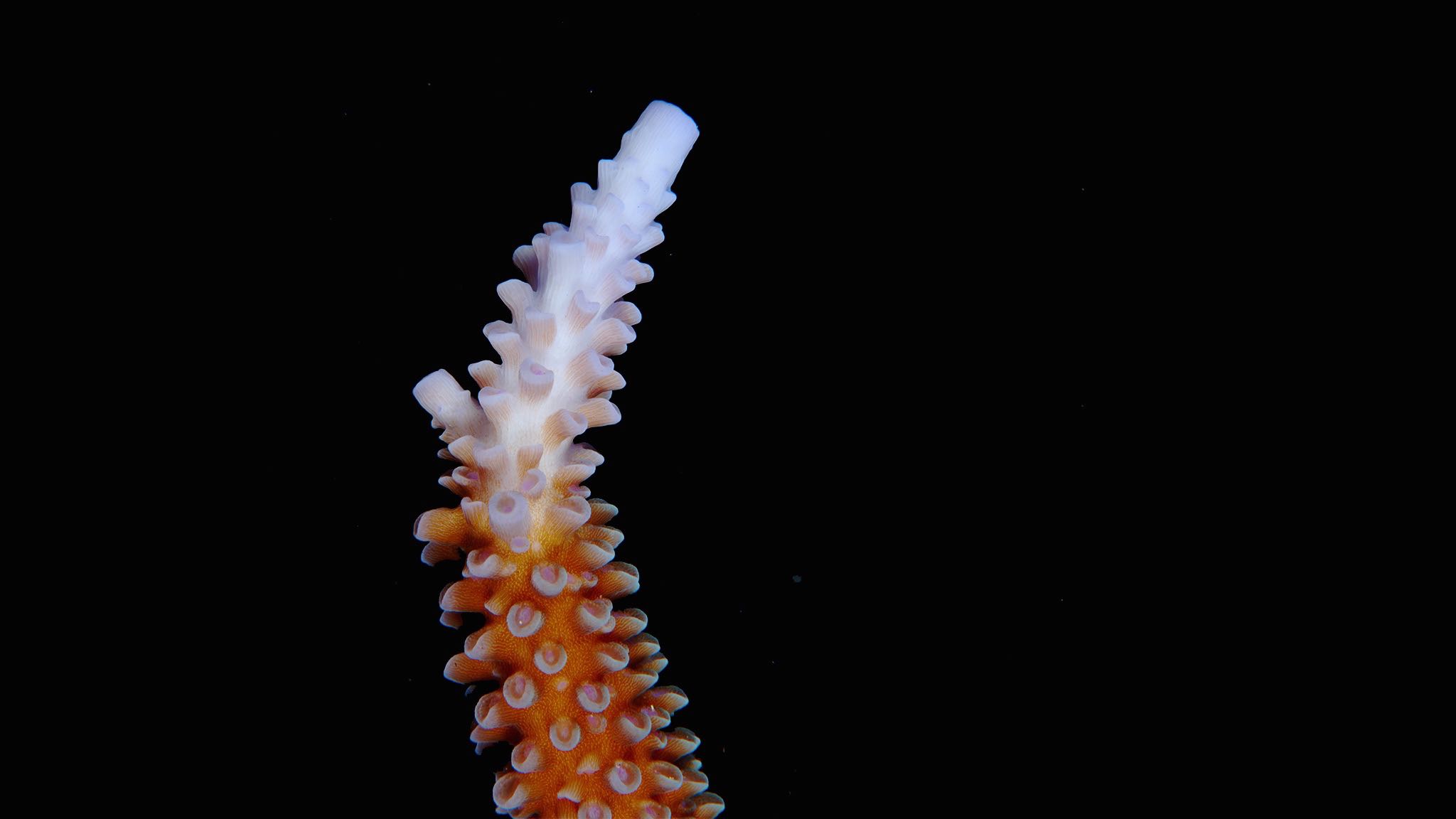
Each plate is coated with hundreds of organisms a few millimeters in size. These coral polyps, as the individuals are known, look like tiny flowers. Within their cells, they host algae that garner energy from the sunlight through photosynthesis and share it with the coral. The polyps create calcium carbonate armor for themselves over the…
-
An Inflammatory Theory of Brain Disease
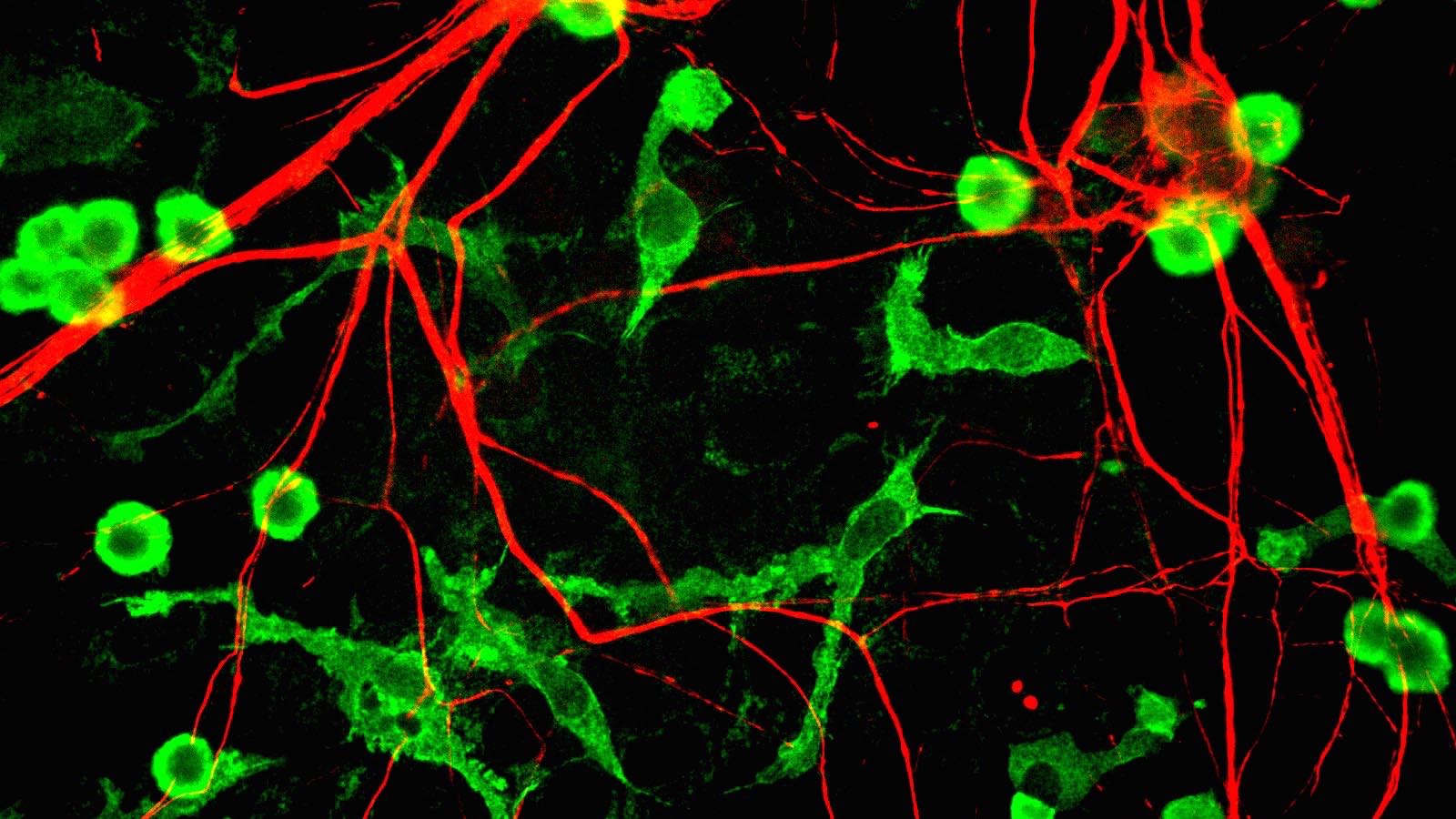
While it’s often thought of as a one-time event, traumatic brain injury is better described as a disease: it’s irreversible, sometimes progressive, and often affects people for the rest of their lives.
-

Saving the World’s Only True Wild Horses
In the golden glow of sunset, a herd of wild horses nibbles on tufts of needlegrass swaying in a chilly breeze. It’s late August, but here in Mongolia the air is already autumnal. Despite their short coats, however, the horses don’t seem to mind. The Przewalski’s horse, as they are called, are specially evolved to…