

Newsweek
-
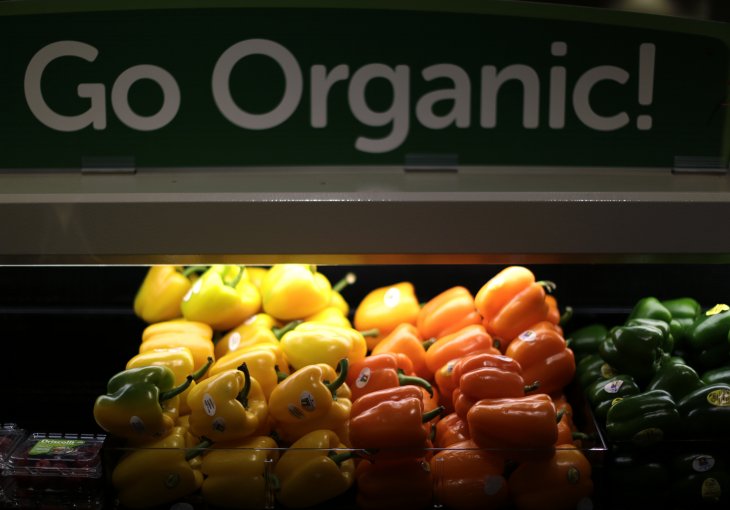
The Dirty Truth About ‘Organic’ Produce
Passionate advocates of organic farming and foods resemble members of a religious cult, one founded on a «back to Nature» mentality. They are not so fundamentalist, however, that they do not make concessions to reality. For example, organic standards arbitrarily define which pesticides are acceptable but allow «deviations» if based on «need.» Synthetic chemical pesticides…
-
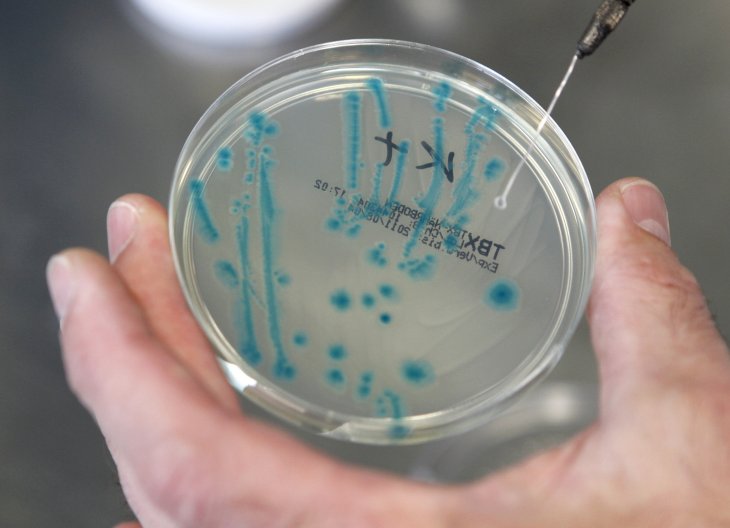
Distinctive Microbiome Associated With Schizophrenia
Scientists continue to discover ways that the viruses, bacteria and fungi that make a home in the human digestive system—also known as the human microbiome—may help further illuminate how the brain works, why it malfunctions, and especially what causes certain psychiatric illnesses.
-
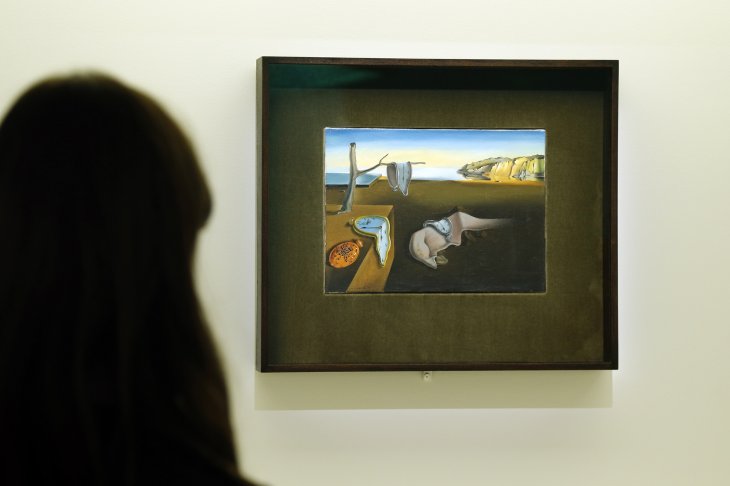
Where and How Our Brains Store Memory
When somebody asks you to recount an experience, it’s common to begin with the time and place. Were you married in Cancún or Canton? In July or January? Having this basic information is key to accessing more detailed memories, according to research from Ohio State University (OSU).
-
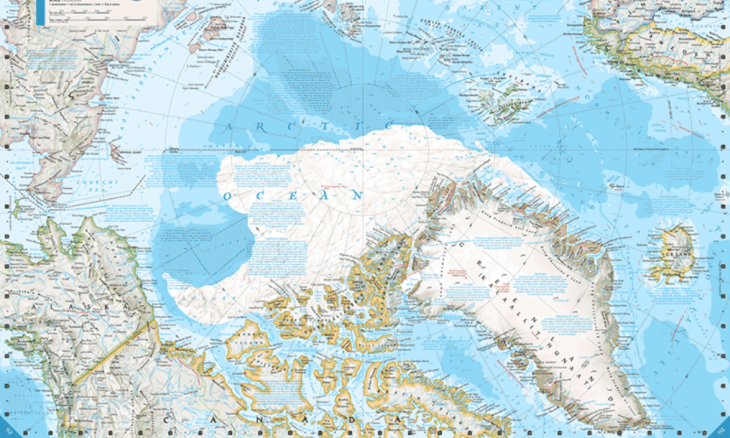
Watch How Much National Geographic Has Redrawn Its Atlas Because of the Melting Arctic
Last week, President Obama unveiled the final draft of sweeping new rules to limit emissions from the nation’s power plants. In his speech, he underlined the urgency of climate change by noting that National Geographic had redrawn its atlas due to melting ice.
-
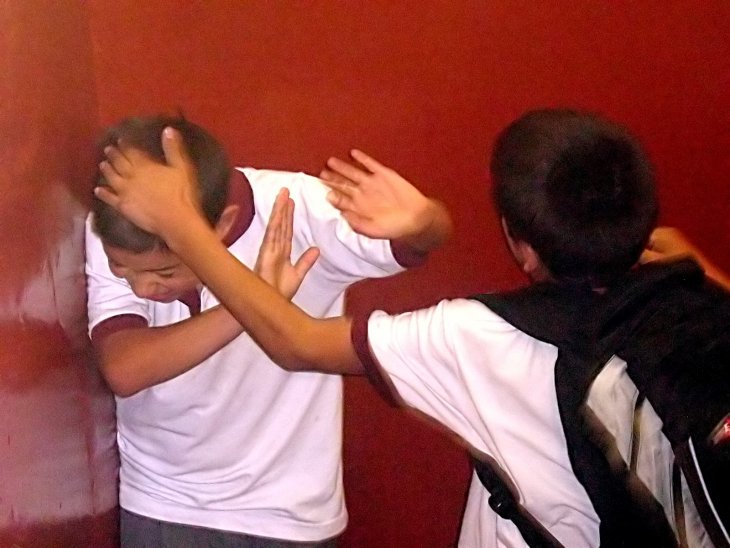
Bullies Have Higher Sex Appeal and Social Status, Says Study
Bullying is the scourge of classrooms and workplaces across the world. However, a recent study claims that bullying is an inherited evolutionary advantage which builds social status and even sex appeal.
-
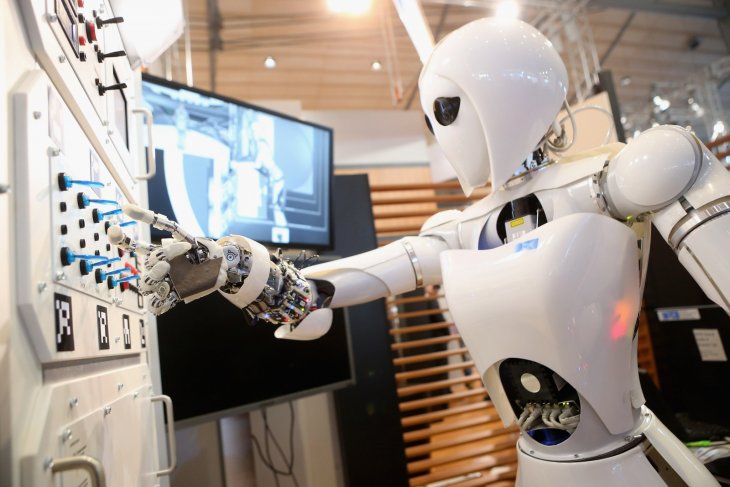
Technology doom sets in as artificial intelligence starts taking jobs
You know technology pessimism is getting serious when career technologists go rogue. Kentaro Toyama used to explore computer vision for Microsoft Research and co-founded Microsoft’s lab in India. He quit those jobs and just published a book, Geek Heresy, that says technology, far from curing our problems, is making social ills worse.
-

Artificial pancreas could transform diabetes treatment
An artificial pancreas which automatically regulates blood sugar could revolutionise treatment for millions of diabetes sufferers across the world.
-
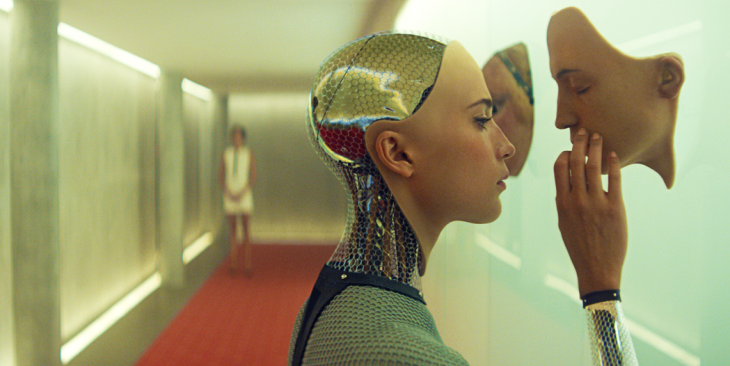
Could artificial intelligence kill us off?
Despite big differences about how best to conduct the search and where to look, several of the most persistent sleuths have found themselves disconcertingly close to agreement. No-one is yet at the stage when they are ready to call a press conference and announce to the world they have finally apprehended the suspect, but they…
-
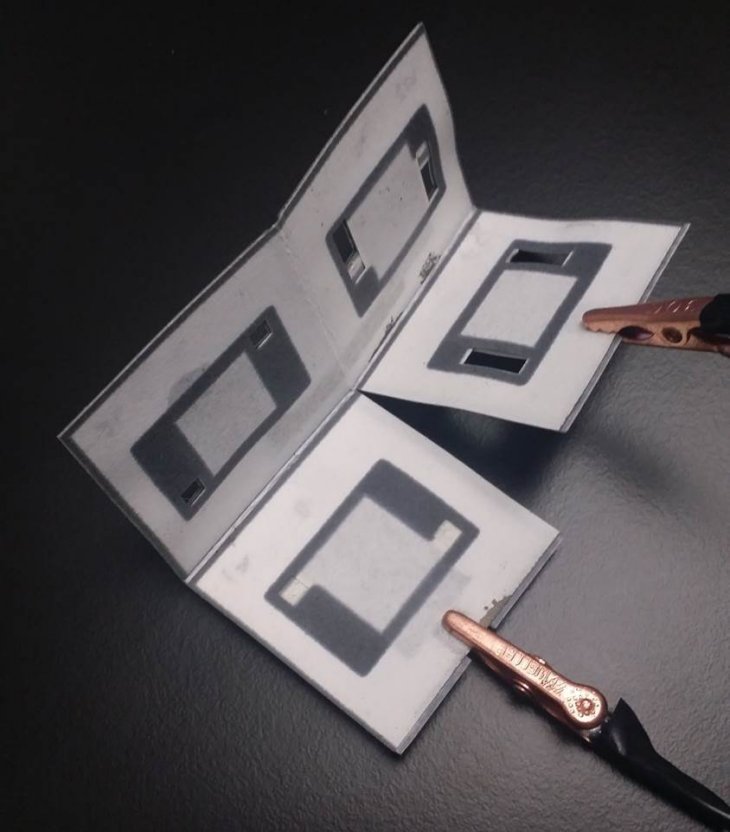
The foldable, five-cents battery powered by bacteria
A new origami paper battery, which is powered by bacteria and costs five US cents, could revolutionise the diagnosis of diseases in developing and remote areas.