

Astrobiology Magazine
-
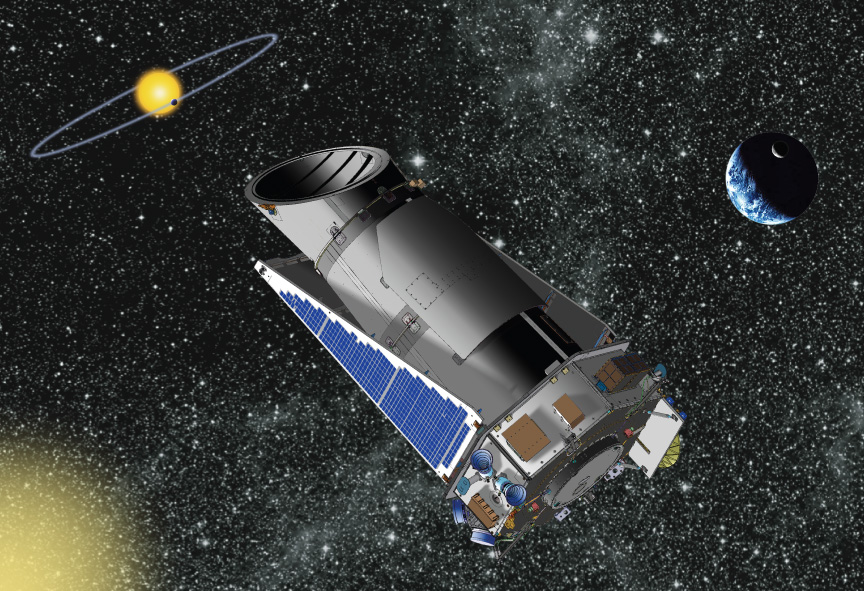
What if extraterrestrial observers called, but nobody heard?
As scientists step up their search for other life in the universe, two astrophysicists are proposing a way to make sure we don’t miss the signal if extraterrestrial observers try to contact us first.
-
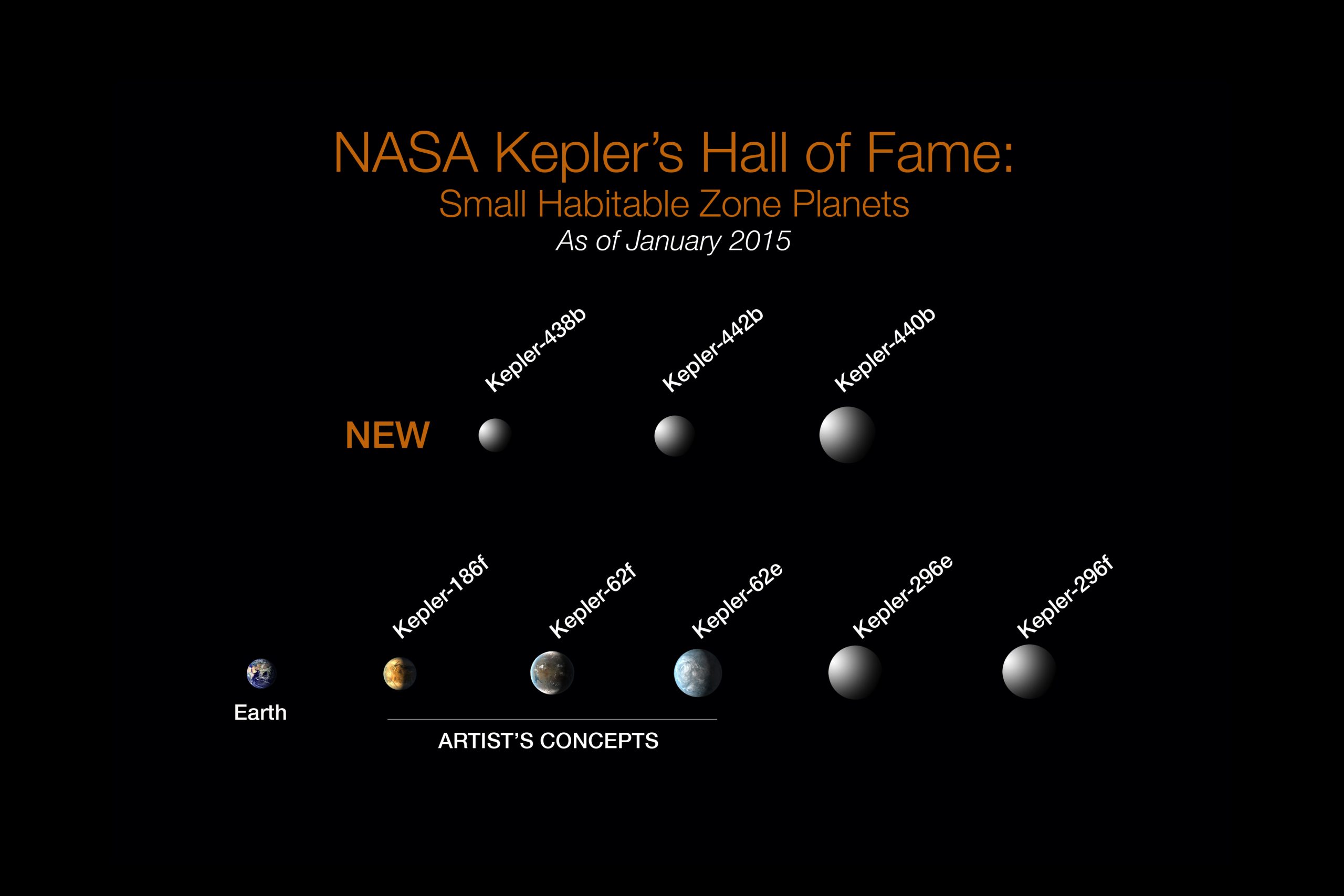
NASA’s Kepler Marks 1,000th Exoplanet Discovery, Uncovers More Small Worlds in Habitable Zones
How many stars like our sun host planets like our Earth? NASA’s Kepler Space Telescope continuously monitored more than 150,000 stars beyond our solar system, and to date has offered scientists an assortment of more than 4,000 candidate planets for further study — the 1,000th of which was recently verified.
-
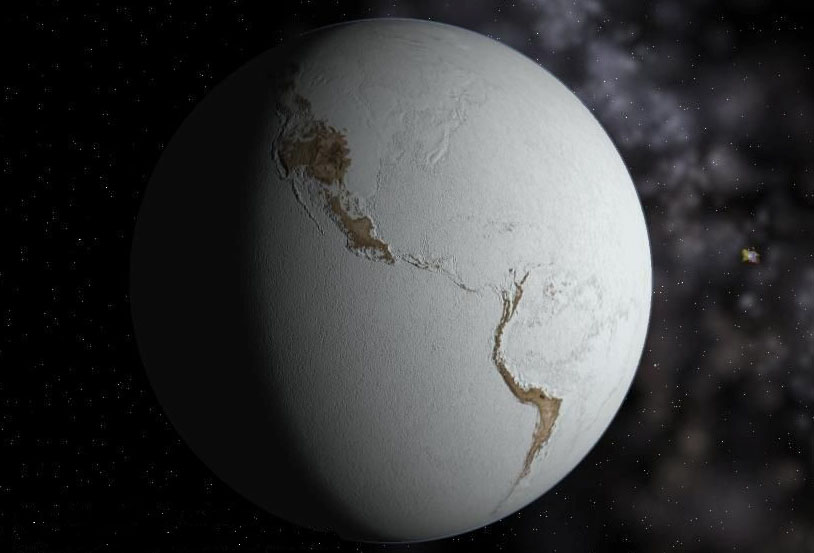
Life exploded on Earth after slow rise of oxygen
It took 100 million years for oxygen levels in the oceans and atmosphere to increase to the level that allowed the explosion of animal life on Earth about 600 million years ago.
-
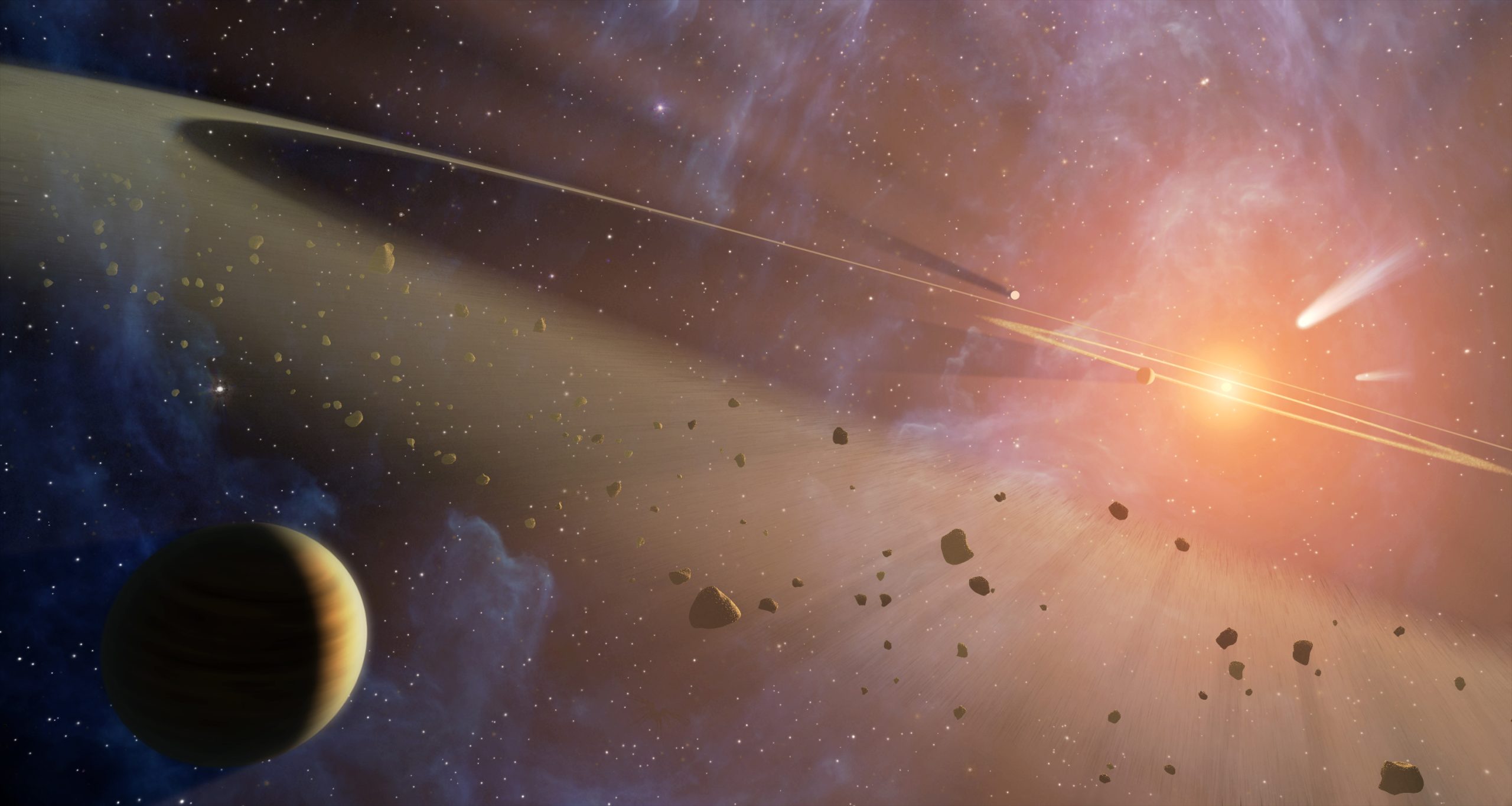
Disk Gaps Don’t Always Signal Planets
When astronomers study protoplanetary disks of gas and dust that surround young stars, they sometimes spot a dark gap like the Cassini division in Saturn’s rings. It has been suggested that any gap must be caused by an unseen planet that formed in the disk and carved out material from its surroundings. However, new research…
-
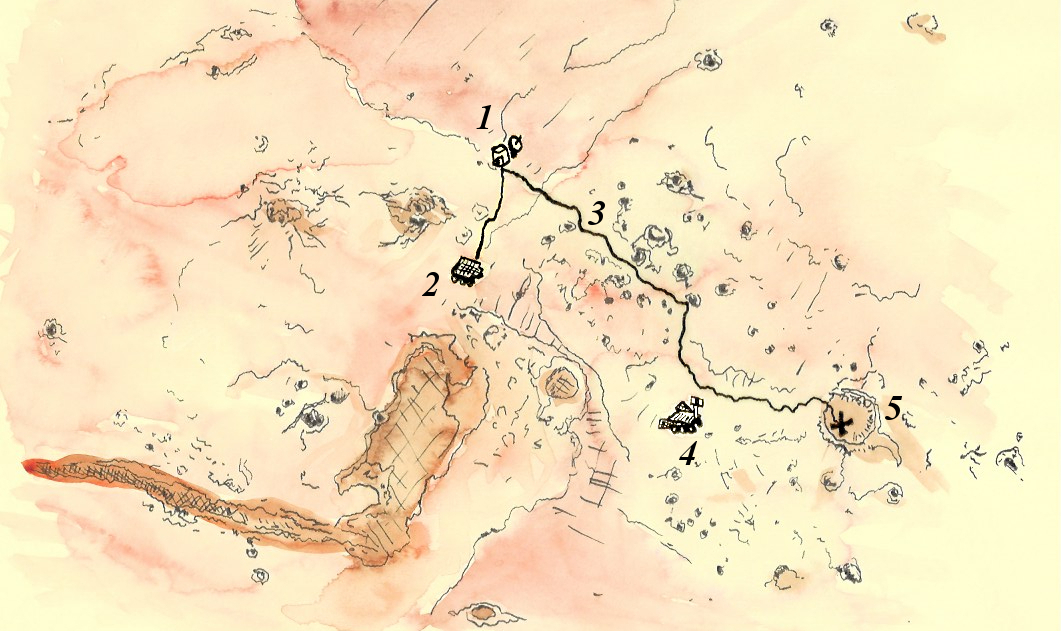
The Martian Astrobiologist
NASA is already developing technologies that appear in the film The Martian, and the Astrobiology Program has been studying many of the sites on Mars that feature on the big screen.
-
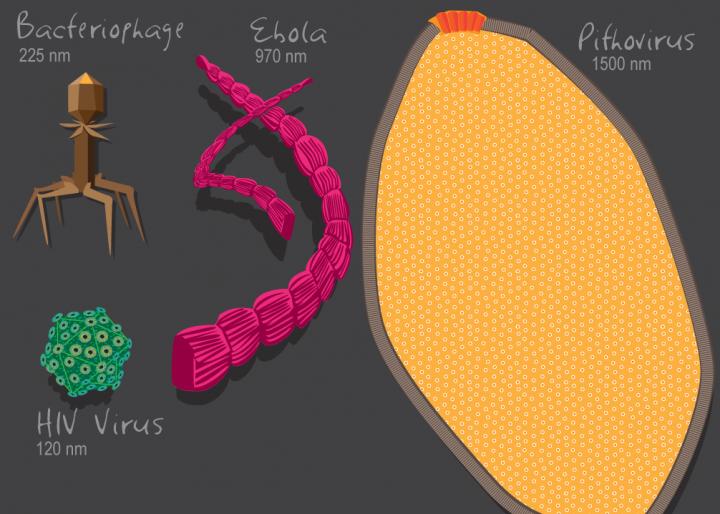
Study adds to evidence that viruses may be alive
A new analysis supports the hypothesis that viruses are living entities that share a long evolutionary history with cells, researchers report. The study offers the first reliable method for tracing viral evolution back to a time when neither viruses nor cells existed in the forms recognized today, the researchers say.
-
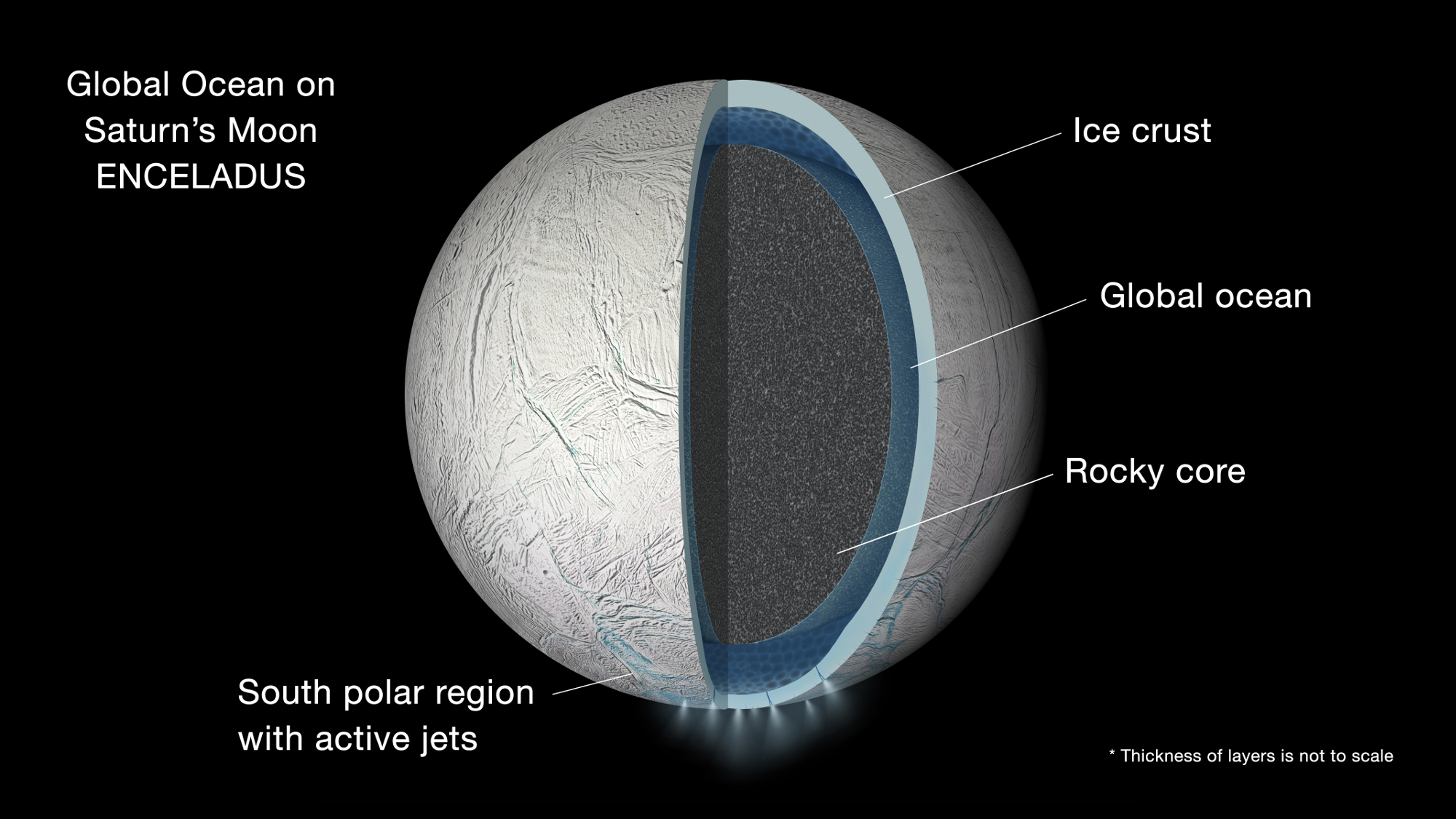
Cassini Finds Global Ocean in Saturn’s Moon Enceladus
A global ocean lies beneath the icy crust of Saturn’s geologically active moon Enceladus, according to new research using data from NASA’s Cassini mission.
-
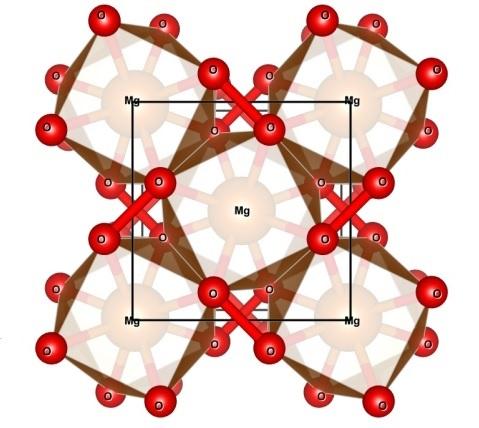
Distant planet’s interior chemistry may differ from our own
As astronomers continue finding new rocky planets around distant stars, high-pressure physicists are considering what the interiors of those planets might be like and how their chemistry could differ from that found on Earth. New work from a team including three Carnegie scientists demonstrates that different magnesium compounds could be abundant inside other planets as…
-
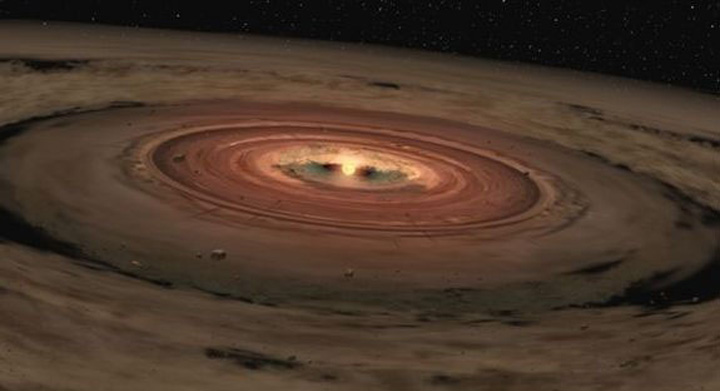
Solar System formation don’t mean a thing without that spin
New work from Carnegie’s Alan Boss and Sandra Keiser provides surprising new details about the trigger that may have started the earliest phases of planet formation in our solar system. It is published by The Astrophysical Journal.