

La ciencia en los medios
-
Why cats are fussy eaters but dogs will consume almost anything
Cats share some important genes associated with herbivores – this might explain their particular eating habits.
-
Para ser justo hay que saber contar
Un estudio con niños de una tribu amazónica muestra que la habilidad para contar está directamente relacionada con la capacidad de repartir con justicia los beneficios. El objetivo es comprender cuándo aprendemos a reconocer y premiar el mérito ajeno.
-

Out of the lab and into refugee camps: STEM and humanitarian aid
How science, technology and engineering are helping those affected by war, natural disasters and homelessness.
-

Aniversario agridulce del aterrizaje de Philae
Justo hace un año la sonda Philae ejecutó su histórico y accidentado aterrizaje sobre el cometa 67P, tras desprenderse de la nave Rosetta. Desde entonces, los científicos de la misión han tratado de restablecer la comunicación con el aterrizador. No han perdido la esperanza, pero tendrán que conseguirlo antes de que Rosetta, que actúa de…
-
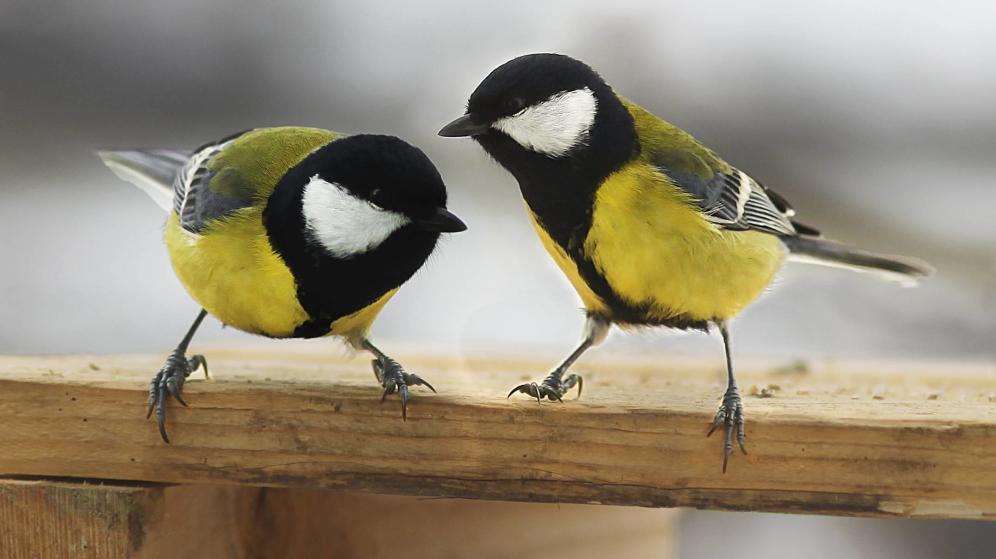
Los pájaros ‘enamorados’ prefieren estar con su pareja antes que comer
Un estudio llevado a cabo con carboneros demuestra que las aves dan importancia a los beneficios de las relaciones sociales a largo plazo, aunque esto suponga una desventaja inmediata
-

Google Seeks to Influence AI Research by Giving Software Away
The Web company, seeking to influence how people design, test, and run artificial-intelligence systems, is making its internal AI development software available for free.
-

How Humans Evolved Supersize Brains
Scientists have begun to identify the symphony of biological triggers that powered the extraordinary expansion of the human brain.
-

Earth’s Water May Be as Old as the Earth Itself
Ancient volcanic rocks may have preserved tiny samples of the planet’s original moisture
-
How the Western Diet Has Derailed Our Evolution
Burgers and fries have nearly killed our ancestral microbiome.
Got any book recommendations?