

La ciencia en los medios
-
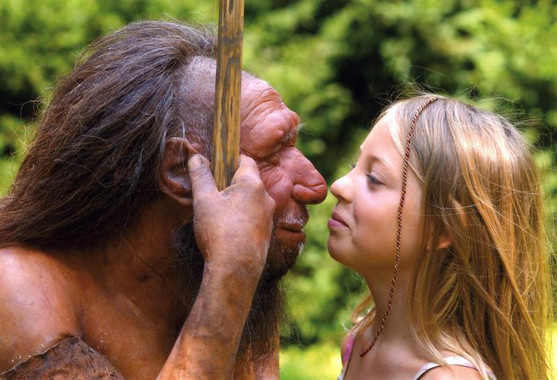
El cruce de humanos modernos y neandertales se adelanta 35.000 años
Los científicos habían demostrado que los neandertales y los humanos modernos se aparearon fuera de África hace alrededor de 47.000 y 65.000 años. Sin embargo, un estudio con diferentes métodos de análisis de ADN ha identificado un cruce mucho más temprano: hace unos 100.000 años en Siberia, decenas de miles de años antes de los…
-

Why things happen
Either cause and effect are the very glue of the cosmos, or they are a naive illusion due to insufficient math. But which?
-
China desaloja a 9.000 personas por un megaproyecto para buscar extraterrestres
El país asiático construye el mayor radiotelescopio del mundo
-

Why Talking Computers Are Tough to Listen To
The subtle social and emotional cues in our voices are vital to how we communicate—and making a computer reproduce them is really hard.
-
The truth about exoplanets
Astronomers are beginning to glimpse what exoplanets orbiting distant suns are actually like.
-
How to Build Life in a Pre-Darwinian World
Perhaps chemistry played a more instrumental role in the origin of life than scientists thought.
-
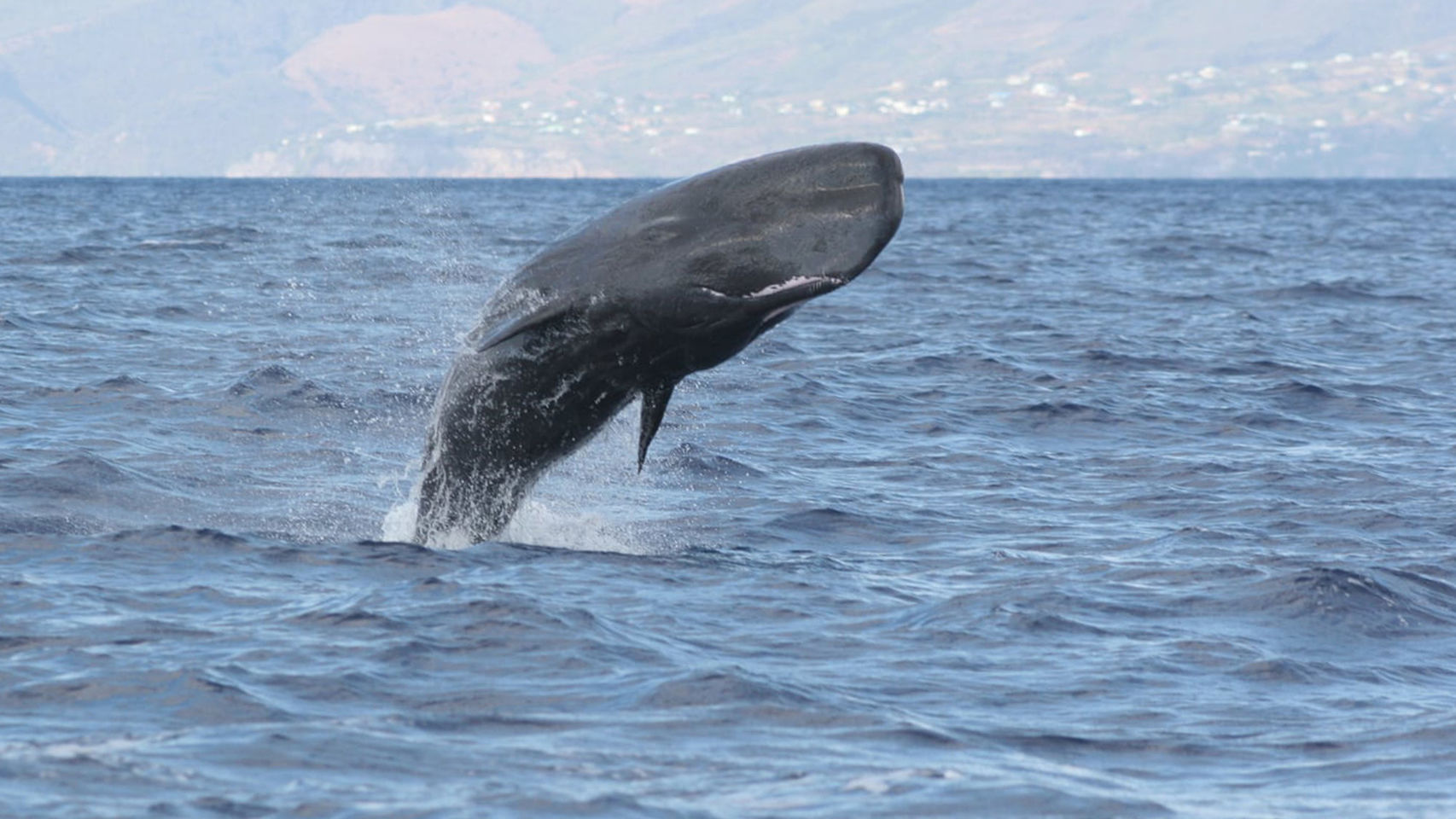
Las ballenas caribeñas cantan el chachachá
Así como la forma de hablar español es diferente en Cuba y en Argentina, en México y en Bolivia, los cachalotes del Caribe tienen acento propio.
-
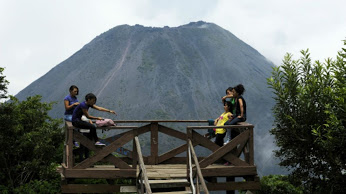
La fingerita de El Salvador y los otros minerales raros identificados por la ciencia
Científicos han logrado clasificar los minerales más raros de la Tierra y todos comparten una particularidad: ninguno de los 2.500 identificados se ha encontrado en más de cinco lugares del planeta.
-
How to send a satellite abroad and prepare it for launch
When a satellite is built in France but launched in Russia, moving it can be a logistical nightmare. But European weather satellite Sentinel-3A made that trip, which involved planes, trains and automobiles … and, of course, a rocket. Belinda smith tracks its progress.
Got any book recommendations?