

La ciencia en los medios
-
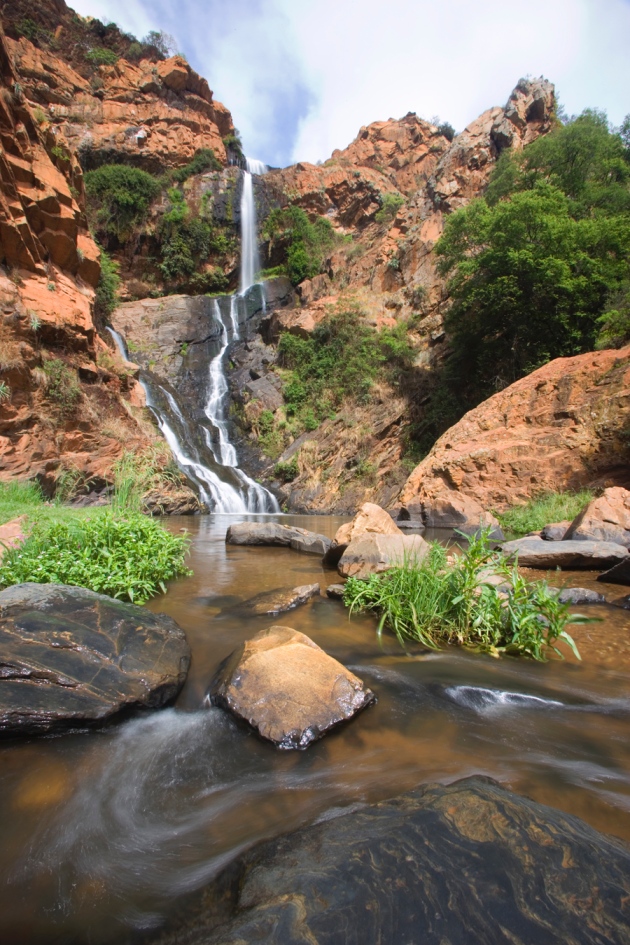
Earth’s deep crust could support widespread life
Discovery of hydrogen-rich waters hints at unexplored microbial ecosystems.
-
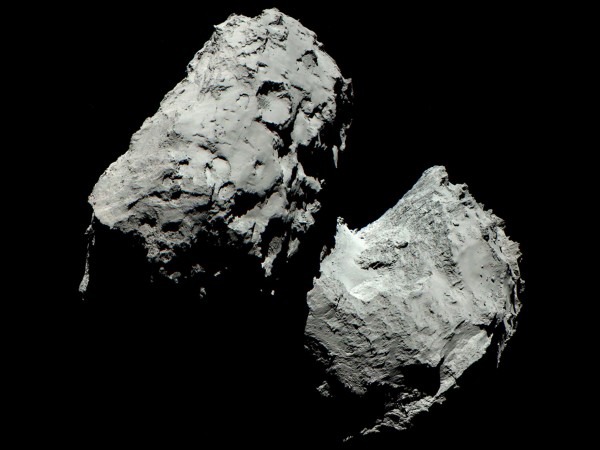
‘Dinosaur eggs’ spotted on Rosetta’s comet
There are places on comet 67P/Churyumov-Gerasimenko where cauliflowerlike textures appear in the dusty crust, like goose bumps under the skin. Scientists using theRosetta spacecraft—which arrived at 67P in August and became the first mission to orbit and land on a comet—now think they may have discovered the source of these patterns on cliff faces and…
-
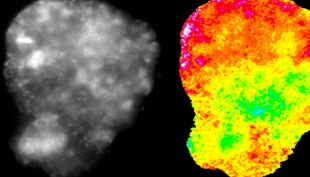
Reprogramming Redux
Can mechanical forces alone be manipulated to create stem-like cells?
-
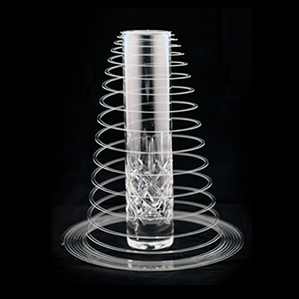
Chemical-Sensing Displays and Other Surprising Uses of Glass
Although a water app isn’t close yet, researchers at Corning and elsewhere recently discovered that they could use Gorilla Glass, the toughened glass made by Corning that’s commonly used on smartphone screens, to make extremely sensitive chemical and biological sensors. It could detect, say, traces of sarin gas in the air or specific pathogens in…
-
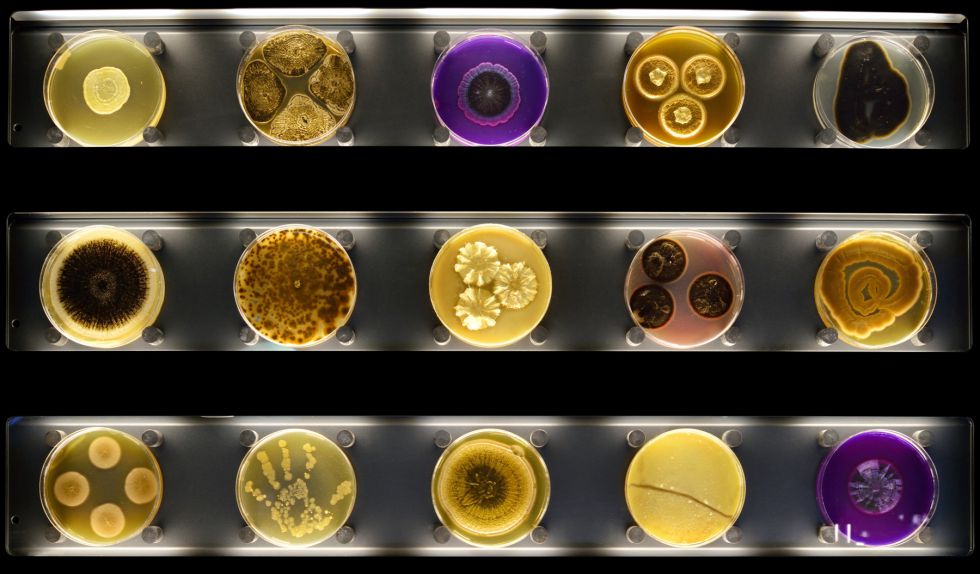
Las bacterias del vello púbico podrían identificar a un violador
La flora bacteriana del pelo de la zona vaginal es diferente en cada persona, según un estudio pionero
-
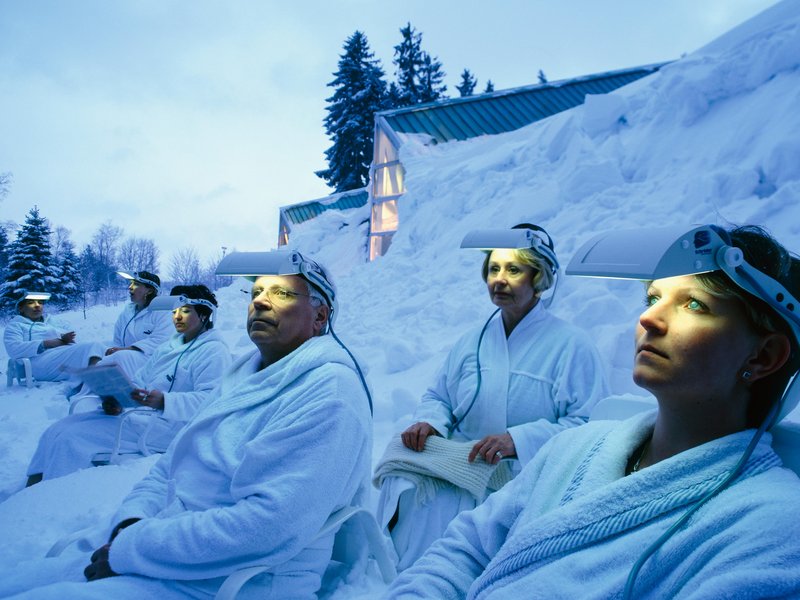
The Dangers of Winter Darkness: Weak Bones, Depression and Heart Trouble
Long periods without sunshine can play a role in a surprising variety of physical and mental disorders
-
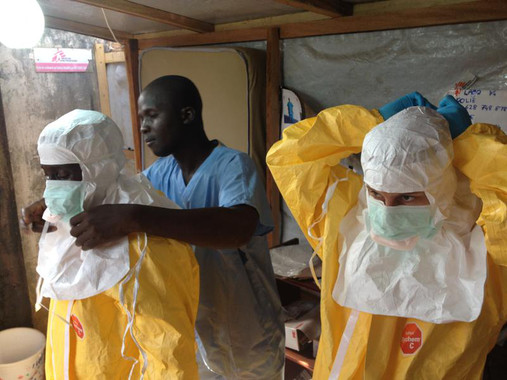
Encuentran 53 moléculas activas contra el ébola en fármacos ya probados
Un equipo de investigadores de instituciones norteamericanas, liderado por un español, ha encontrado 53 compuestos con actividad potencial frente al virus del ébola. Las moléculas proceden de otros fármacos que ya han demostrado ser seguros contra otras dolencias en humanos. Los autores del trabajo creen que este método podría acelerar el hallazgo de tratamientos contra…
-

Primateen eta bakterioen arteko 40 milioi urteko borroka burdinagatik
Bakterioek beharrezkoa dute burdina bizitzeko. Eta, horregatik, bakterioen aurkako defentsa-mekanismo bat da burdina eskuragarri ez uztea. Hori eraginkorra da bakterioek burdin hori eskuratzeko mekanismoren bat lortzen duten arte. Bada, burdinagatiko borroka horretan gutxienez 40 milioi urte daramatzate primateek eta bakterioek,Science aldizkarian argitaratu berri den lan baten arabera.
-
Harvard Scientist Lights Up Neurons to Find Brain Cures
The footage captures a neuron firing, letting researchers watch the signal flowing through an entire cell for the first time. Seeing these cells at work may let researchers track and measure brain activity, including firing patterns of cells affected by disorders like epilepsy or multiple sclerosis.
Got any book recommendations?