

La ciencia en los medios
-
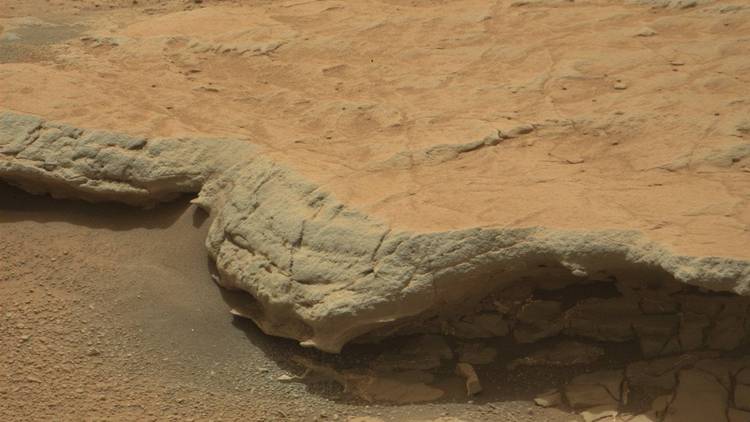
Life on Mars? Scientist offers different take on Curiosity images
Was there ever life on Mars? Without a human geologist roaming the surface, hammer in hand, it’s devilishly difficult to find out, and current robotic explorers aren’t really built to answer that question. But in a paper published in the journal Astrobiology, a scientist describes patterns in Martian rock that she says look uncannily like…
-
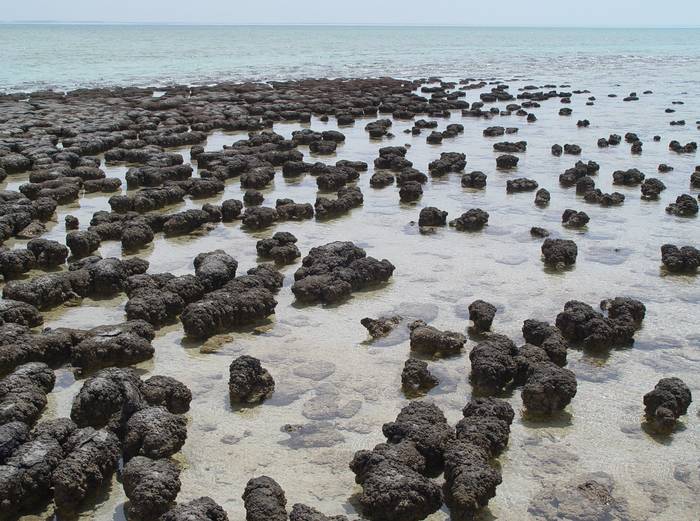
Zianobakterioak, planetaren lehen eraldatzaileak
Gure planeta inguratzen duen atmosferak ez du hasieran izan zuenaren antz handirik. Lehen atmosfera hura Jupiterreko ilargietako batzuk dutenaren antzekoa zen; oxigenoaren eta nitrogenoaren ordez, hidrogenoa, helioa, karbono dioxidoa, metanoa, nitrogenoa eta nitrogenokonposatuak zituen. Horrenbestez, oso ezegonkorra zen, eta erabat toxikoa gaur egungo bizidunontzat. Alabaina, duela 3.600 milioi urte inguru, lehen zianobakterioak sortu ziren, eta…
-

Un implante flexible hace andar a ratones paralíticos
Una nueva prótesis elástica permite estimular durante meses la médula espinal cuando está dañada, lo que favorece la recuperación del movimiento que se pierde en las extremidades. El prototipo se ha probado con éxito en ratones, que han vuelto a caminar después de una lesión medular, pero está previsto aplicarlo en personas con el mismo…
-

The Next Ebolas
Three factors predict whether a new virus will cause a human pandemic.
-

Scientists Can Tell How Old a Star Is by Observing How Fast It Spins
A newly proven method can pinpoint the age of stars with at least 90% accuracy
-

Game theorists crack poker
An ‘essentially unbeatable’ algorithm for the popular card game points to strategies for solving real-life problems without having complete information.
-
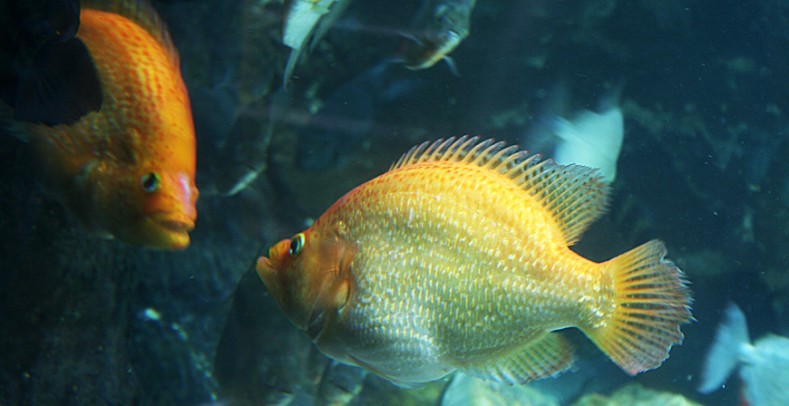
Ratones que “huelen” la enfermedad
Un estudio de la Universidad de Ginebra revela el sistema que permite a los ratones detectar y evitar a sus compañeros enfermos. La clave está en el órgano vomeronasal, situado en la nariz, que detecta grandes moléculas como las feromonas. Su función en los humanos es aún un misterio.
-
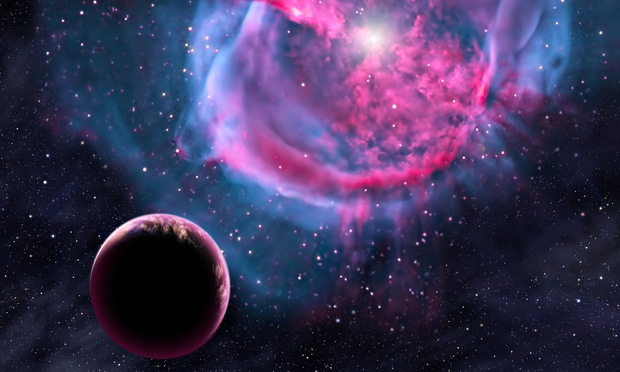
Kepler 438b: Most Earth-like planet ever discovered could be home for alien life
New discovery is likely to be a rocky world in the ‘Goldilocks’ zone of its parent star where the temperature is just right for liquid water to flow
-
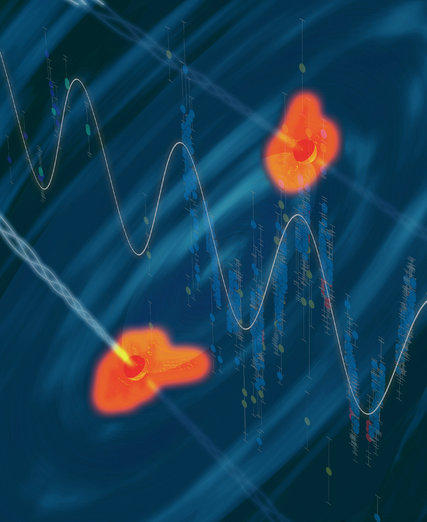
Black Holes Inch Ahead to Violent Cosmic Union
Scientists say a pair of supermassive black holes appear to be spiraling toward a galaxy-wrecking collision that could release as much energy as 100 million supernova explosions.
Got any book recommendations?