

La ciencia en los medios
-

The first drug of its kind was just approved, and it could signal a massive change for pharmaceuticals
US regulators on Friday gave a green light to sales of America’s first copied version of a biotechnology drug, or “biosimilar,” with approval of Novartis’ white blood cell-boosting Zarxio.
-
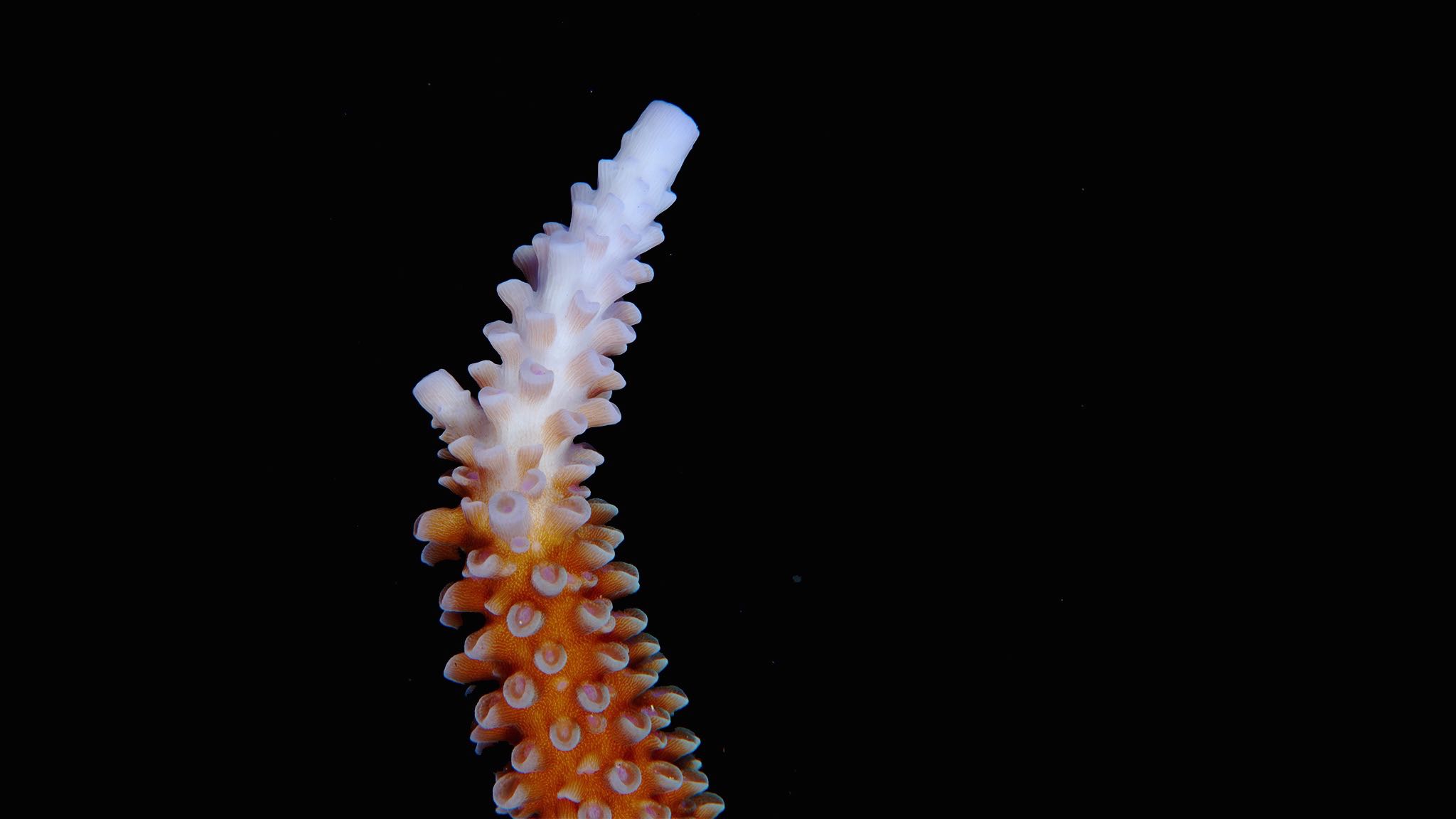
Hope from the Deeps for Coral Reefs
Each plate is coated with hundreds of organisms a few millimeters in size. These coral polyps, as the individuals are known, look like tiny flowers. Within their cells, they host algae that garner energy from the sunlight through photosynthesis and share it with the coral. The polyps create calcium carbonate armor for themselves over the…
-
El origen químico de la vida podría ser más sencillo de lo que se piensa
Un poco de cianuro de hidrógeno, sulfuro de hidrógeno y la radiación ultravioleta del Sol. La receta de la vida en la Tierra podría ser tan simple como eso, según un nuevo y elegante trabajo.
-

To search for alien life, scientists make a library of life’s colors
Here’s a new way to search for life on alien worlds: Look for the light it reflects into space. To prepare for such a search, scientists have made a library of life’s colors, cataloging the spectra, or wavelengths of light, reflected by 137 types of microorganisms.
-

¿Los asesinos nacen o se hacen?
La invención de las técnicas de imágenes de resonancia magnética funcional en los años 80 revolucionaron el conocimiento de lo que ocurre dentro de la cabeza. El primer estudio con escaneo cerebral de asesinos fue realizado en California por el neurocientífico británico Adrian Raine. Raine había llegado hasta allí atraído no por sus playas sino,…
-

Infekzioen globalizazioa
Azken urteotan, sarri entzun izan ditugu zenbait infekzioren izen bereziak; entzun izan dugu, halaber, mehatxu bat direla infekzio horiek, hala nola hegazti-gripea, Ebola birusa, SARS edo MERS koronabirusak eta abar luze bat. Baina, zergatik dira mehatxu XXI. mende honetan?
-

Mercury seen as never before
In its final weeks, the MESSENGER mission reveals fresh details about the planet’s scorched surface.
-
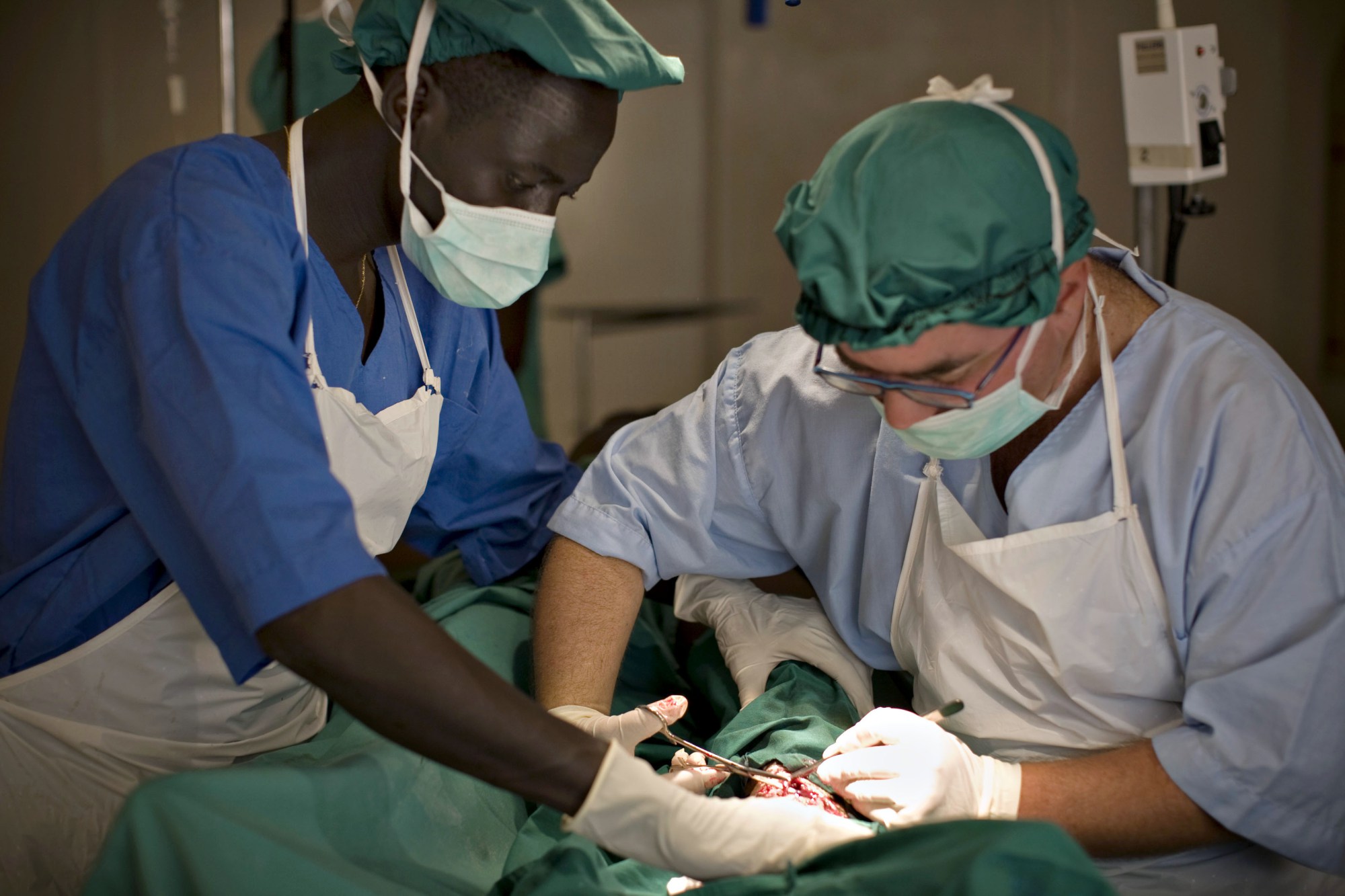
South Africa’s botched circumcisions led to surgeons performing the first penis transplant
The young man was there because just three years earlier he had had his penis amputated in order to save his life after a local circumcision had gone badly wrong. The surgery he underwent in December was declared a success just four months later: he was the recipient of the first-ever penile transplant to result in full functionality.
-
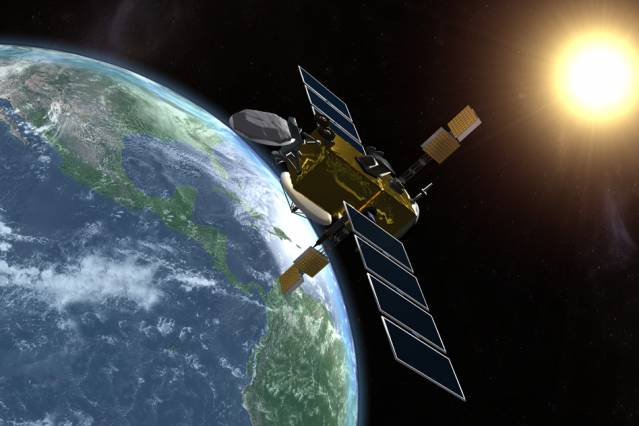
Electrospray thruster makes small satellites more capable
Small satellites are becoming increasingly popular tools for Earth-imaging, communications, and other applications. But they have major control issues: Once in space, they can’t accurately point cameras or change orbit, and they usually crash and burn within a few months. MIT spinout’s electric-propulsion system improves maneuverability of small satellites.
Got any book recommendations?