

La ciencia en los medios
-

Un nuevo dinosaurio revela la evolución de los cuernos en los ‘Triceratops’
Científicos del Museo Real de Ontario (Canadá) y el Museo de Historia Natural de Cleveland (EE UU) han descubierto una nueva especie de dinosaurio con cuernos, Wendiceratops pinhornensis, en un yacimiento del sur de Alberta en Canadá. El hallazgo podría representar la primera aparición documentada de un cuerno en la nariz como ya se ha…
-

After a hospital error, two pairs of Colombian identical twins were raised as two pairs of fraternal twins. This is the story of how they found one another — and of what happened next.
-
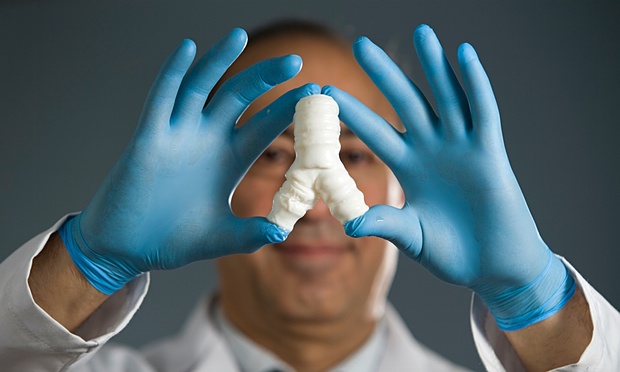
How laboratory-grown organs will transform our lives
With people living longer than ever, being able to replace bits of the human body as they wear out has become a new frontier in medicine
-

The Selfie and the Self
At the end of June, millions of Facebook users changed their profile pictures to rainbows to show support for same-sex marriage—rooting themselves in a portraiture tradition that’s long used symbols to define and express identity.
-

Why can’t we stop cholera in Haiti?
An outbreak of cholera in Haiti that began in 2010 is still killing people. Why have attempts to get it under control failed?
-

Old before your time? People age at wildly different rates, study confirms
Tests on physiological markers in nearly 1,000 38-year-olds found that some had biological ages many years older than their birthdates would suggest
-

Life Beyond the Pale Blue Dot
Our own oasis of life in the cosmos is blue, but will others be?
-

Desarrollan un chip que administra medicamentos sin necesidad de inyecciones
El dispositivo ha sido desarrollado por un ‘spin-off’ del MIT y en un chasis plano del tamaño inferior al de la yema de un dedo es capaz de almacenar cientos de dosis del medicamento a administrar
-
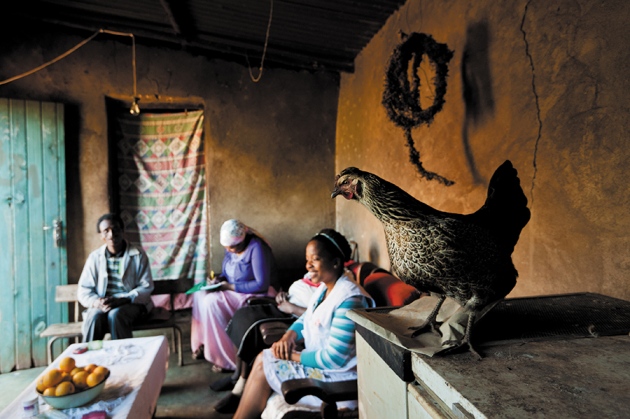
How to beat HIV
Scientists have the tools to end the epidemic. They just need better ways to use them.
Got any book recommendations?