

La ciencia en los medios
-

How Wasps Use Viruses to Genetically Engineer Caterpillars
And caterpillars might be using the same viral genes to defend themselves against other viruses
-
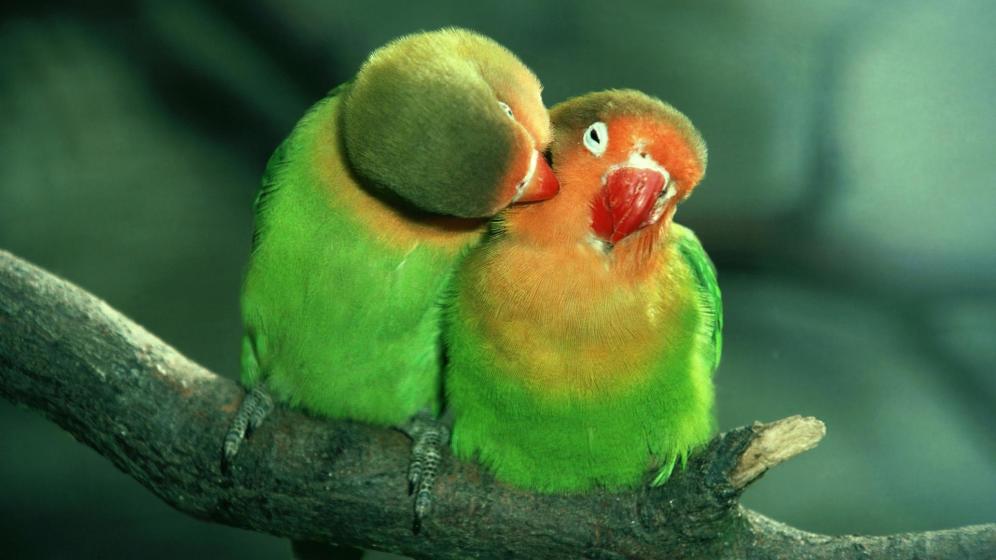
Para qué sirve el amor en la naturaleza (o por qué no todo es sexo)
Este sentimiento ha evolucionado para que las parejas duren juntas el tiempo suficiente para que los hijos sobrevivan. Ahora, un estudio con pinzones demuestra su utilidad biológica
-

Why Do Women Perform Worse on Science Questions Than Men?
On average, women perform less well than men on science questions. That’s one finding from a new Pew Research report that aimed to test the American general public’s knowledge of science-related topics.
-
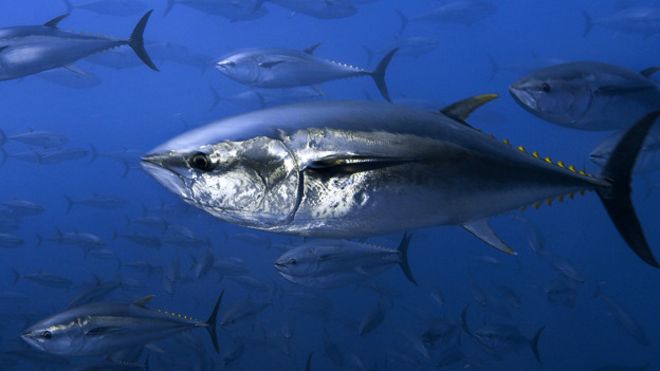
La alarmante desaparición de algunos de los peces más comunes de los océanos
Los océanos del mundo se están quedando sin peces. Y, por lo tanto, corre riesgo una importante fuente de alimentación de la población mundial, incluyendo América Latina.
-

The man who wants to beat back aging
On a blazingly hot morning this past June, a half-dozen scientists convened in a hotel conference room in suburban Maryland for the dress rehearsal of what they saw as a landmark event in the history of aging research. In a few hours, the group would meet with officials at the U.S. Food and Drug Administration…
-

Salvar la vida de un niño con un corazón ‘de mentira’
Una técnica desarrollada por el MIT permite construir una maqueta del corazón del paciente a partir de un escáner en apenas unas horas. Los cirujanos podrían ganar muchísimo tiempo planificando las operaciones.
-
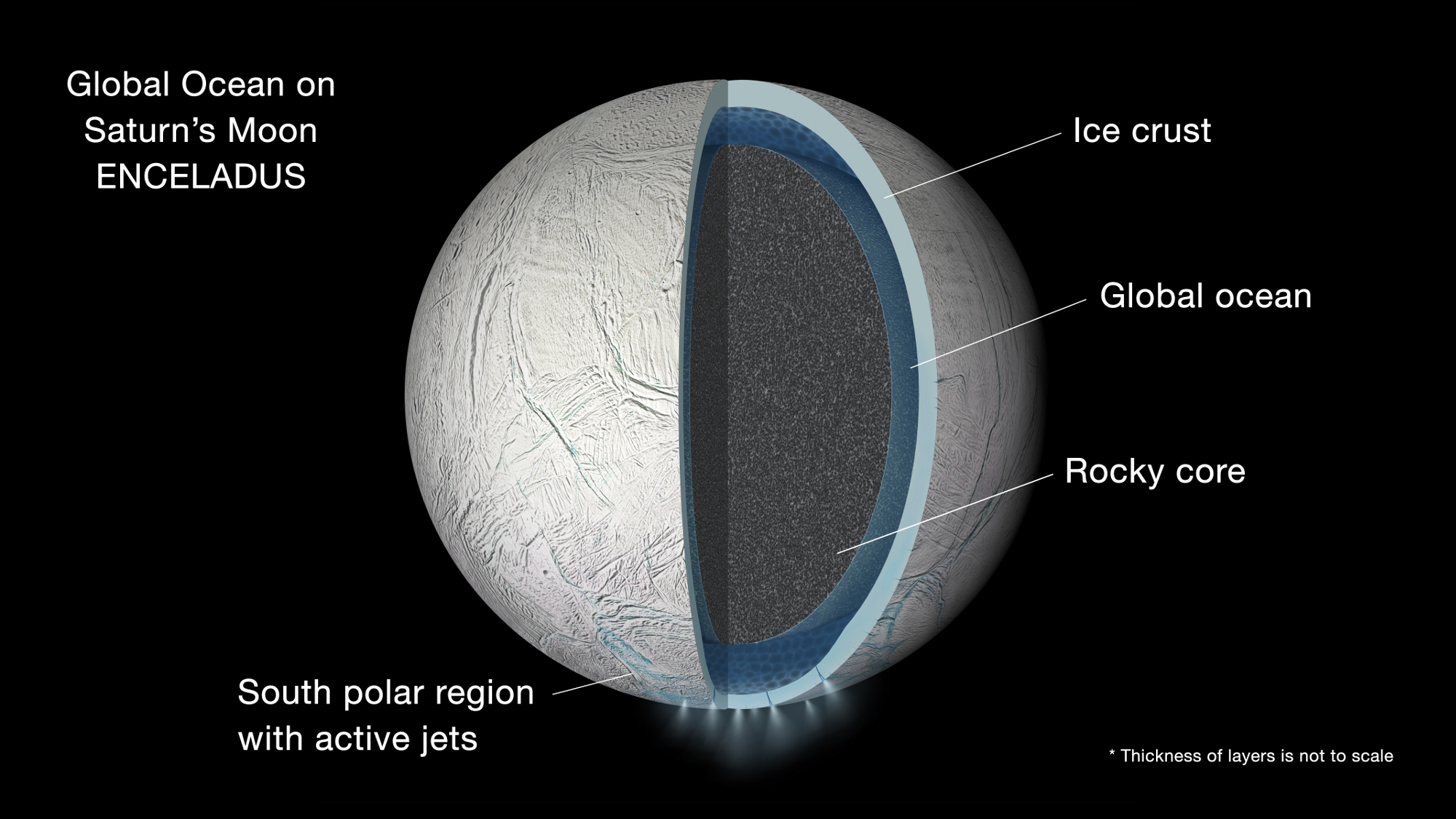
Cassini Finds Global Ocean in Saturn’s Moon Enceladus
A global ocean lies beneath the icy crust of Saturn’s geologically active moon Enceladus, according to new research using data from NASA’s Cassini mission.
-

Astronomers capture revolution of far distant planets
The best views yet of a planet moving around a star 63 light years away, have been photographed by the Gemini South telescope in Chile
-

Confirman la presencia de pulmones en peces celacantos
Los celacantos son peces de aguas profundas con aletas lobuladas que hasta hace unos décadas se creían extintos. Desde su redescubrimiento en 1938, los científicos dudaban de la existencia de un pulmón en la especie viviente, Latimeria chalumnae, al compararla con las especies fósiles. Ahora, un equipo internacional confirma la presencia de pulmones funcionales en etapas embrionarias…
Got any book recommendations?