

La ciencia en los medios
-

Why bison put their females in charge
Standing 2 meters tall and weighing as much as 1000 kilograms, European bison (Bison bonasus) are impressive animals. These cousins of the American bison—nearly driven to extinction in the last century—are being reintroduced in small herds across Europe, leading some farmers and forest managers to worry that the large herbivores will destroy their habitat.
-

Baleen hesteetako mikroorganismoak belarjale lurtarrenen antzekoak dira
Arrain eta krustazeoez elikatzen diren arren, baleen hesteetako mikrobiotak ugaztun belarjale lurtarrenarekin antzekotasunak dituela argitu du ikerketa batek. Hala, berretsi dute, dietaz gain, jatorri ebolutiboarekin ere lotura duela animalien hesteetako mikroorganismoen komunitateen osaketak.
-

La noche polar está llena de vida
Un equipo de investigadores ha estudiado el ecosistema de la noche polar en uno de los fiordos de Svalbard durante tres inviernos seguidos. Su trabajo indica que hay mucha más vida de la esperada y que este periodo de oscuridad es muy importante para la reproducción de muchos organismos.
-

Visions of Future Physics
Nima Arkani-Hamed is championing a campaign to build the world’s largest particle collider, even as he pursues a new vision of the laws of nature.
-

Las embarazadas varían la genética de su futuro hijo incluso si el óvulo es donado
Los hábitos de la mujer durante el embarazo son determinantes en el desarrollo embrionario, ya que pueden modificar el genoma del embrión. Este hallazgo confirma que las gestantes son capaces de variar la genética de su futuro hijo aun cuando el óvulo es de otra mujer, como sucede en los casos de ovodonación. Esta ‘comunicación’…
-

Which species will survive the Earth’s sixth mass extinction?
Being big – larger than a dog – increases the risk of being wiped out in a mass extinction.
-
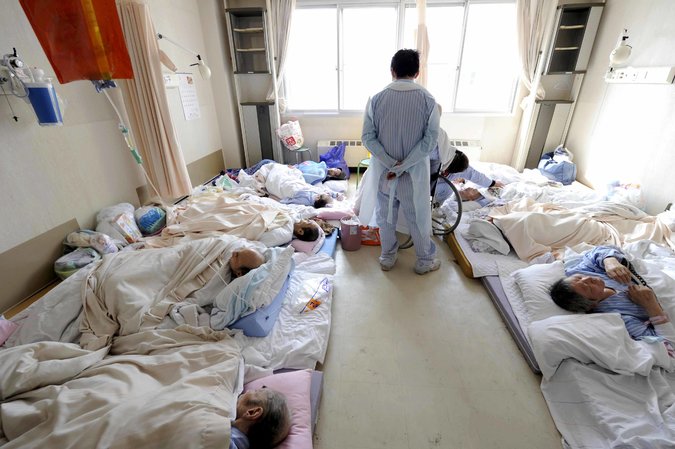
When Radiation Isn’t the Real Risk
Four years after the nuclear accident at Fukushima, no one has been killed or sickened by radioactivity. But 1,600 died fleeing the disaster.
-

Use of personalized cancer drugs runs ahead of the science
As the costs of genetic sequencing fall, oncologists are starting to prescribe expensive new drugs that target the genetic profiles of their patients’ tumours, even when those treatments have not been approved for the particular cancer involved.
-

Sin becas para ellas: por qué las investigadoras reciben menos financiación
Un estudio publicado esta semana en ‘PNAS’ asegura que existe un sesgo que provoca que las mujeres reciban menos financiación que los hombres.
Got any book recommendations?