

La ciencia en los medios
-
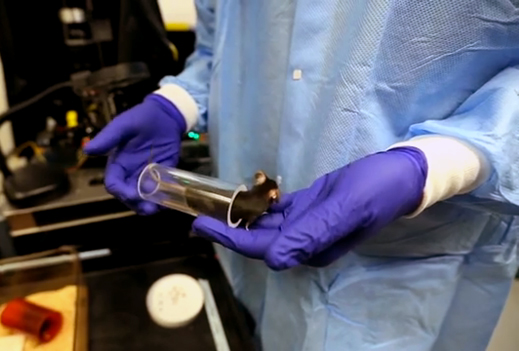
How Brain Scientists Outsmart Their Lab Mice
To watch the brain work during navigation, scientists build computer-generated worlds for mice.
-
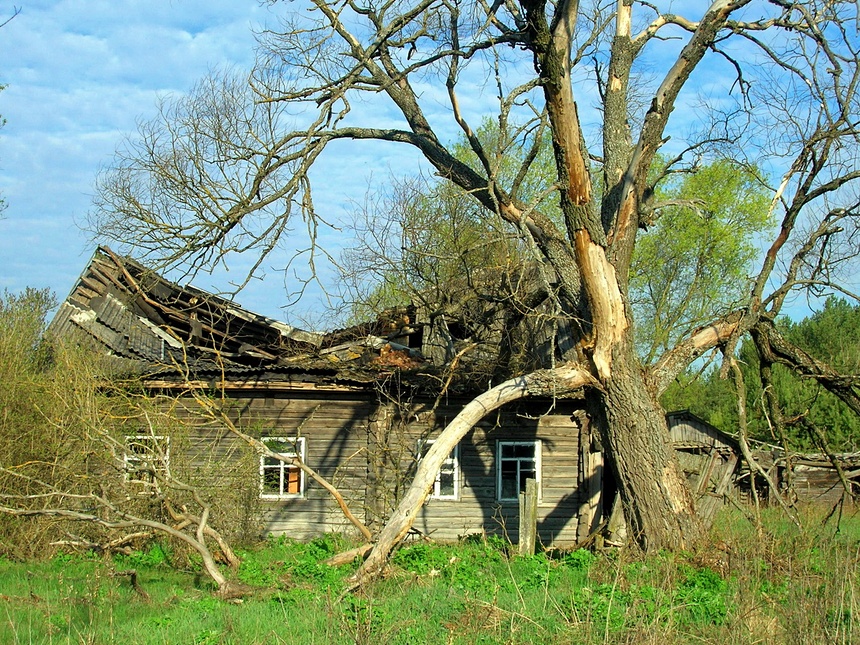
What happened to wildlife when Chernobyl drove humans out? It thrived
People were evacuated after the Chernobyl accident, but what happened to the local wildlife? A new study shows that wildlife in the Chernobyl disaster zone is thriving, indicating that the presence of humans is more damaging to wildlife than is radiation poisoning
-
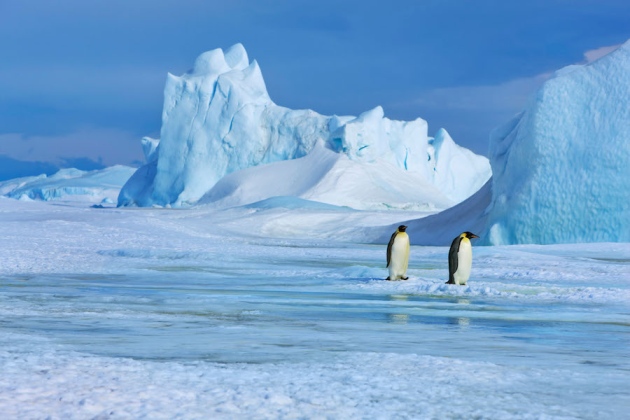
Gains in Antarctic ice might offset losses
So much ice is piling up in the vast expanses of East Antarctica that, overall, it counterbalances the losses seen at glaciers thinning elsewhere on the frozen continent. It will take decades for Antarctic melting to overtake the mass gains and begin contributing substantially to sea-level rise, a new study argues.
-
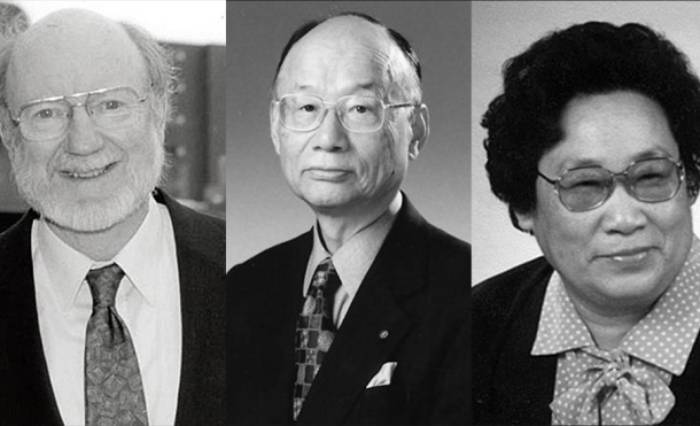
Medikuntzako Nobel Saria, zizare bizkarroiek eragindako gaitzen eta malariaren aurkako terapiak asmatu dituztenentzat
Karolinska Institutuak jakinarazi duenez, aurten hiru ikertzaileren artean banatuko dute Fisiologia edo Medikuntzako Nobel saria; erdia William C. Campbell eta Satoshi Ōmura jasoko dute, bizkarroiek eragindako gaitzen aurka asmatutako botikarengatik, eta beste erdia Youyou Tuk, malariaren aurkako terapia asmatzeagatik.
-

The Dirty Truth About ‘Organic’ Produce
Passionate advocates of organic farming and foods resemble members of a religious cult, one founded on a “back to Nature” mentality. They are not so fundamentalist, however, that they do not make concessions to reality. For example, organic standards arbitrarily define which pesticides are acceptable but allow “deviations” if based on “need.” Synthetic chemical pesticides…
-
Cómo comer y respirar cuando pesas 120 toneladas
Un estudio muestra por primera vez que las ballenas azules no se alimentan de forma continua e indiscriminada, sino que conservan fuerzas para las zonas de mayor densidad de krill.
-
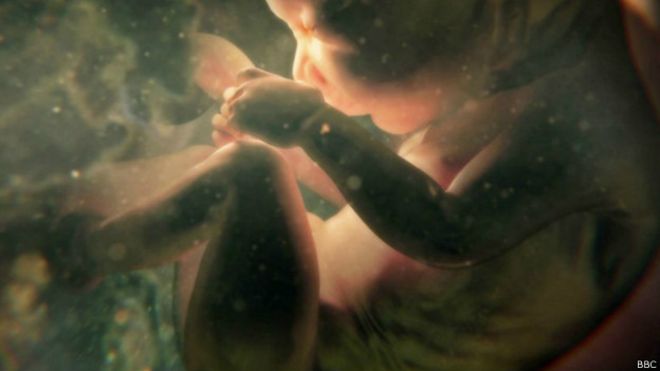
9 cosas que te hicieron tú antes de nacer
Antes de que respiraras por primera vez, tu apariencia y gran parte de tu comportamiento “instintivo” estaban ya formados. La manera en la que te desarrollaste durante nueve meses, pasando de ser una célula microscópica a un bebé, contribuyó a que seas lo que eres hoy en día.
-
Your Baby’s Amazing Brain Development
A newborn human is, strictly speaking, a bit of a train wreck. Brand-new babies aren’t capable of much beyond eating (around the clock), pooping (usually all over their cutest onesies) and sleeping (though certainly not at night). But what’s going on inside those tiny heads is nothing short of amazing.
-
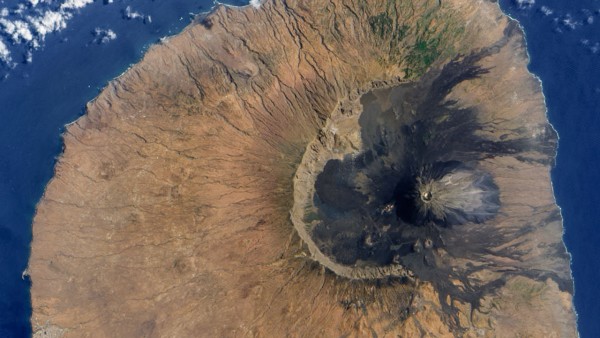
Ancient tsunami heaved 700-ton boulders over island cliffs
An ancient landslide on an island volcano is providing a worrisome lesson about tsunamis, thanks to some geologic sleuthing. According to a new study in the Cape Verde archipelago, a landslide triggered a tsunami powerful enough to push massive boulders on a neighboring island onto a high plateau. The scientists warn that although such events…
Got any book recommendations?