

La ciencia en los medios
-
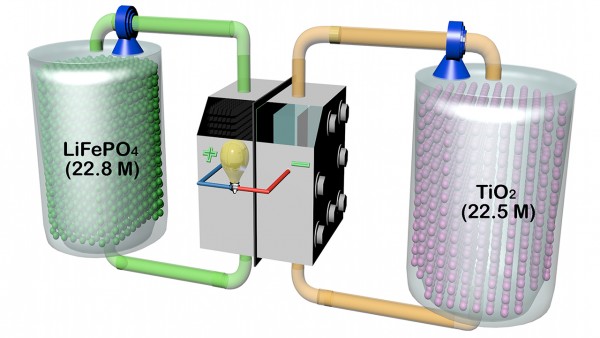
New type of ‘flow battery’ can store 10 times the energy of the next best device
Industrial-scale batteries, known as flow batteries, could one day usher in widespread use of renewable energy—but only if the devices can store large amounts of energy cheaply and feed it to the grid when the sun isn’t shining and the winds are calm. That’s something conventional flow batteries can’t do. Now, researchers report that they’ve…
-
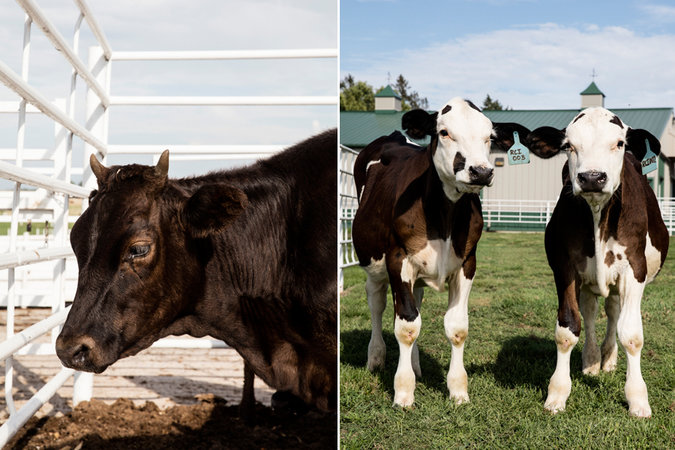
Open Season Is Seen in Gene Editing of Animals
The uproar over the new ease and precision with which scientists can manipulate the DNA of living things has centered largely on the complicated prospect of editing human embryos. But with the federal government’s approval last week of a fast-growing salmon as the first genetically altered animal Americans can eat, a menagerie of gene-edited animals…
-
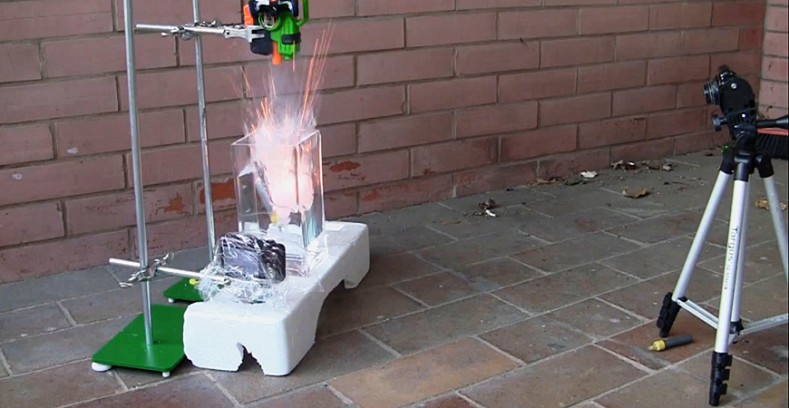
Cuando una de tus personalidades es ciega y la otra no
La paciente B.T. tiene diez personalidades y solo dos de ellas son ciegas. El caso, documentado por dos especialistas, es uno de los ejemplos más sorprendentes de este tipo de disociaciones de la identidad.
-

Lewis Carroll en el país de las matemáticas
El 26 de noviembre se cumplen 150 años de la publicación de Alicia en el país de las maravillas, un cuento infantil alabado por su profundidad. Su autor, Charles Dodgson, que se ocultaba bajo el pseudónimo de Lewis Carroll, fue también un matemático que destacó por sus trabajos de geometría, álgebra y lógica. Y, sobre…
-

Preternatural machines
Robots came to Europe before the dawn of the mechanical age. To a medieval world, they were indistinguishable from magic
-

Malariari aurre egiteko eltxo transgenikoak sortu dituzte
Sortutako eltxoek gaitasuna dute malaria eragiten duen bizkarroiarekiko erresitentzia populazioan hedatzeko
-
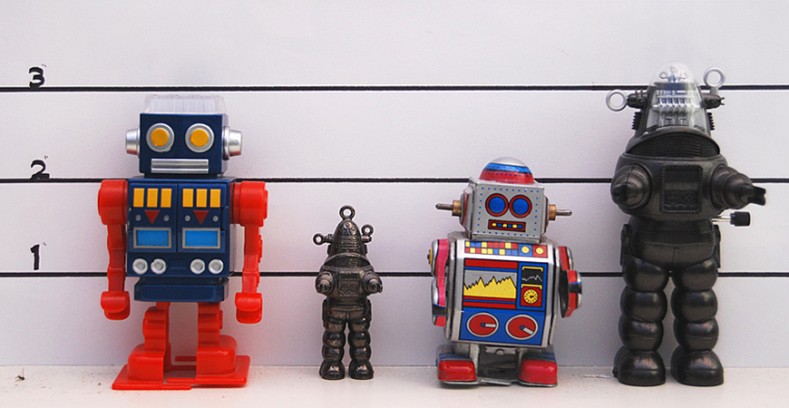
“Hoy nos podemos hacer selfies gracias a Einstein”
John Dudley ha sido el organizador del Año Internacional de la Luz que esta semana se clausuraba en el CSIC. Su trabajo divulgativo ha servido para acercar a millones de personas conceptos básicos de la física.
-

The Electric Turing Acid Test
Should we expect and design superintelligent machines to be not zombie-like but conscious? And if so, how would we achieve that?
-
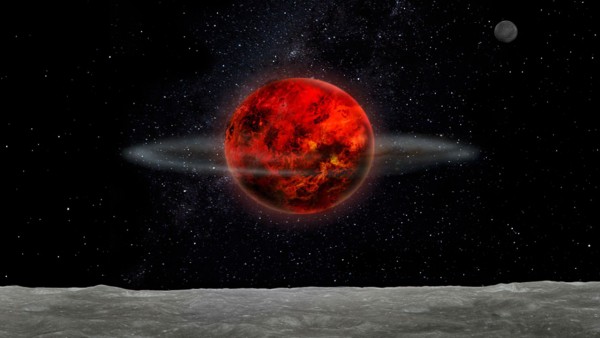
How the moon got its tilt—and Earth got its gold
Miniplanets zooming through our early solar system passed close to our moon and tugged it into the strange, tilted orbit it has today, according to a new study. The findings solve a longstanding mystery and may also explain why Earth’s crust is unexpectedly rich in gold and platinum: When some of these small planets slammed…
Got any book recommendations?