

La ciencia en los medios
-
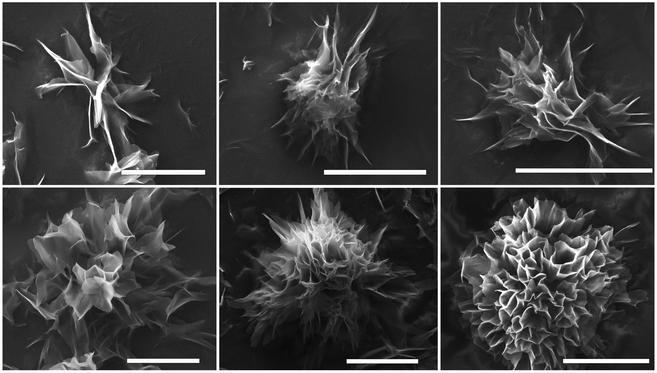
Growing microflowers in the lab
These microscopic blooms could boost solar and sensor technologies.
-
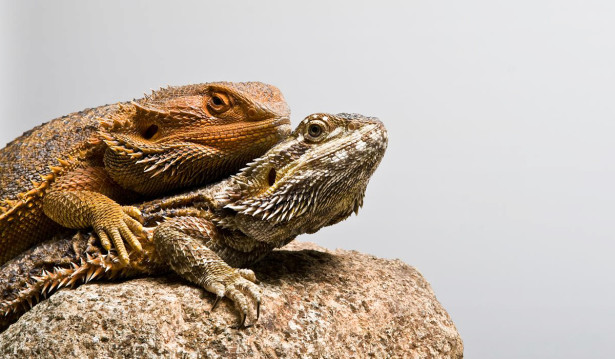
The Incredible Shrinking Sex Chromosome
Nature offers a panoply of ways to determine an organism’s sex. How can such a fundamental property be so variable?
-
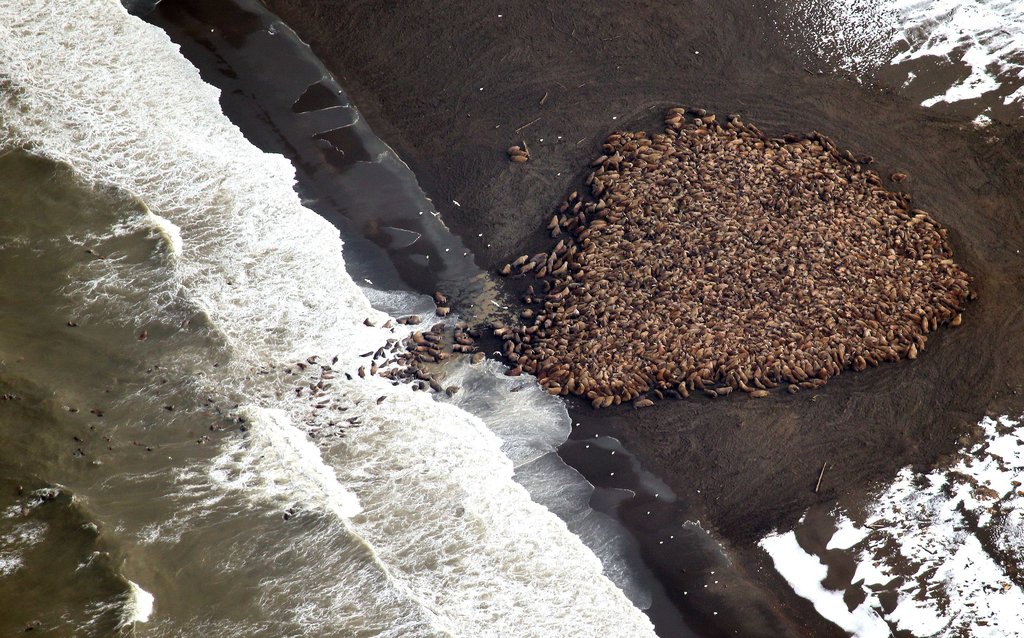
What Climate Change Looks Like: Walrus Crowding
Packed shoulder to shoulder, an estimated 35,000 Pacific walruses congregated on Alaska’s northwest coast near Point Lay last fall. Normally the mammals find ocean ice sheets to rest on, but as waters have warmed the ice sheets have disappeared.
-
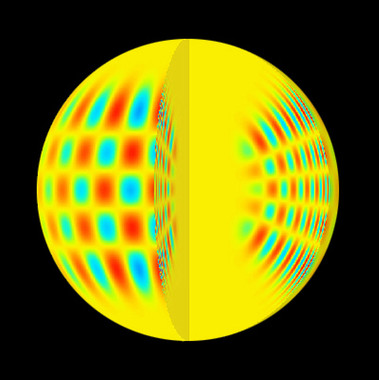
Científicos españoles cuestionan los resultados sobre estrellas pulsantes
Con los datos ultraprecisos de los satélites CoRot y Kepler, investigadores del Instituto de Astrofísica de Andalucía y la Universidad de Granada han aportado dos ejemplos que ponen en duda el uso de una herramienta que se emplea en casi todos los estudios de oscilaciones estelares. El trabajo, que implica una revisión del método y…
-

Itsaso bat plastikozkoa
Aurten, plastikozko zorroak erabiltzea galaraziko duen lege bat onartu du Europar Batasunak. Bitartean, itsasoa plastikoen biltegi bihurtzen ari dela erakusten duten hainbat azterketa plazaratu dira. Beste ikerketa batzuek, berriz, plastikoek itsas bizidunetan eta ekosistemetan eragiten dituzten ondorio kaltegarriak azaleratu dituzte. Eta, hala ere, ohartarazi dute izebergaren tontorra baino ez dugula ezagutzen. Ezkutukoa argitu nahian dabiltza…
-

El origen del bulo del wifi y sus (supuestos) efectos sobre la salud
Antes del wifi fueron las antenas de teléfono, y antes de eso las ondas del microondas. Aunque no hay evidencias científicas de sus efectos sobre la salud, el bulo se repite y extiende desde los años 70.
-
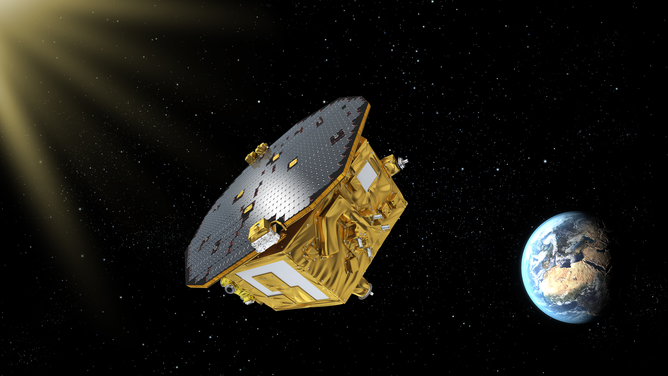
LISA Pathfinder will pave the way for us to ‘see’ black holes for the first time
It has been a century since Einstein presented his theory of general relativity but it is still helping us unveil some of the deepest mysteries of the universe. Now the LISA pathfinder mission will prepare the way for us to study violent events that we’ve never seen before – such as the creation of massive…
-
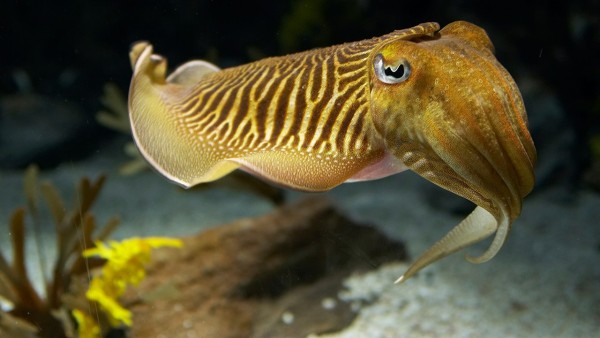
When cuttlefish hold their breath, they become nearly invisible to sharks
Scientists have long known that cuttlefish (Sepia officinalis, shown) and some of their kin stop breathing when threatened by predators, but they supposed that freezing in place merely aided the creature’s visual camouflage. Turns out, it serves another purpose: A lack of water flowing over the gills decreases electrical activity there that can betray the…
-

Biologists create more precise molecular scissors for genome editing
Engineered Cas9 enzyme makes fewer mistakes.
Got any book recommendations?