

La ciencia en los medios
-

Y con CRISPR llegó la revolución
El sistema de edición genética ha abierto un enorme campo en la investigación científica
-
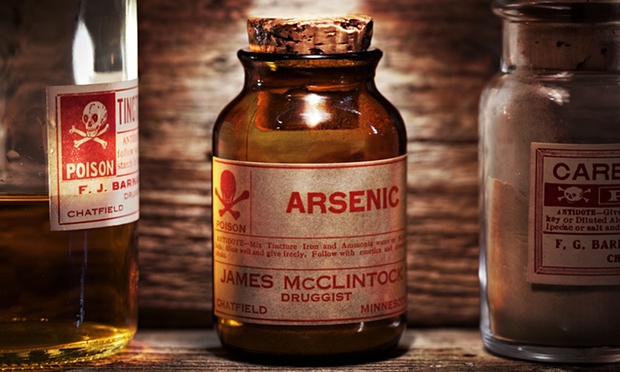
Sex, lies and arsenic: how the ‘king of poisons’ lost its crown
Kate Griffin, author of the Kitty Peck novels set in the criminal underworld of Victorian London, examines the nineteenth century origins of toxicology
-
Hope Rekindled for Perplexing Proof
Three years ago, a solitary mathematician released an impenetrable proof of the famous abc conjecture. At a recent conference dedicated to the work, optimism mixed with bafflement.
-

La prescripción diferida de antibióticos puede ayudar a su uso más racional
Un nuevo estudio español sobre la prescripción diferida de antibióticos a pacientes con infecciones respiratorias agudas no complicadas afirma que, en las estrategias diferidas, los pacientes presentaron síntomas con una severidad y una duración ligeramente mayor, pero clínicamente similar, a los de la prescripción inmediata. Además, mostraron una reducción de más del 60% del consumo…
-

Gure gorputza, minbiziaren kontrako arma boteretsua
Minbiziaren aurka egiteko estrategiak nabarmen aldatu dira azken bi hamarkadetan; minbizi-zelulen kontra inespezifikoki jarduten duten agente kimiko edota erradioaktiboak ohikoenak izanik ere, zelula-mekanismo zehatzak itu dituzten tratamendu sofistikatuak erabiltzeko bideak urratzen ari dira ikertzaile eta medikuak. Immunoterapia da, gaur egun, minbiziari eraso egiteko estrategiarik itxaropentsuena, zeinak norbanakoaren immunitate-sistema indartuz tumoreak suntsitzea duen helburu. Baina zergatik…
-
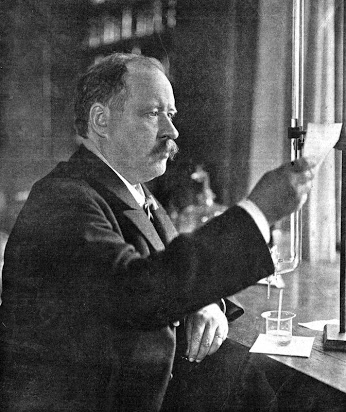
Foucault: «Está usted invitado a ver cómo gira la Tierra»
En el siglo XIX la élite científica sabía que la Tierra giraba sobre su propio eje pero no había podido demostrarlo. Entonces llegó Foucault.
-

Memory Styles: We Don’t All Remember Our Lives in the Same Way
Not everybody remembers their life the same way. In fact, just like personality traits, people have different memory styles. Some tend to rely more on detailed sensory information when forming their memories, while others incorporate a lot of factual knowledge instead.
-

Physicists figure out how to retrieve information from a black hole
Black holes earn their name because their gravity is so strong not even light can escape from them. Oddly, though, physicists have come up with a bit of theoretical sleight of hand to retrieve a speck of information that’s been dropped into a black hole. The calculation touches on one of the biggest mysteries in…
-
Gene Drives Offer New Hope Against Diseases and Crop Pests
The technique involves propelling a gene of choice throughout a population. It hasn’t been tested in the wild yet, but has worked in the laboratory.
Got any book recommendations?