

La ciencia en los medios
-
Los microbios que ayudan al oso a hibernar
Un estudio vincula la hibernación estacional de los osos con cambios en los microbios intestinales. Los hallazgos podrían ayudar a diseñar tratamientos contra la obesidad.
-
Do whales have nipples? Why discussing evolution in schools can occasionally be tricky
It’s not the contested issue you’d think it is, looking at Twitter. But I have to be honest, it can be difficult when religious supervisors attend my science sessions.
-
The Last of the Channel Island Turkeys
We often think of conservation in terms of wildlife sanctuaries and breeding programs, but its Janus face is eradication. The survival of one population of animals, like the fox, sometimes necessitates the destruction of another, like the turkey. This is especially the case on islands, which are arks for vulnerable flora and fauna.
-
Our Conflicted Feelings For R2-D2
Lucas’ droids are halfway between human and inhuman, so we can both love and ignore them.
-
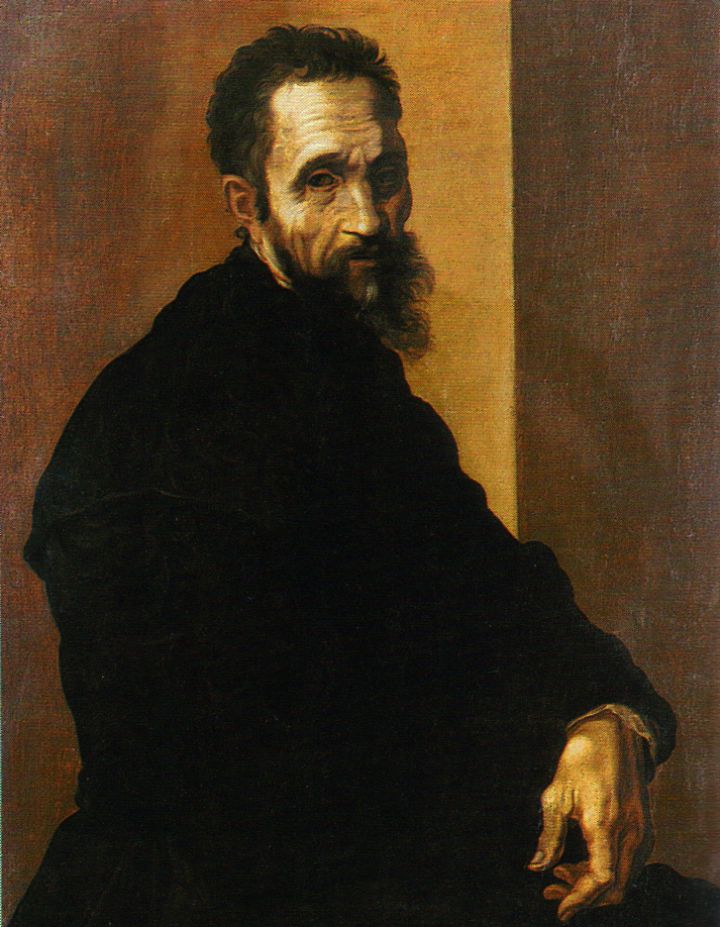
Miguel Ángel superó la artrosis en sus manos con más cincel y martillo
Un análisis de sus retratos muestra un deterioro articular que le impedía escribir cartas pero no trabajar el mármol
-
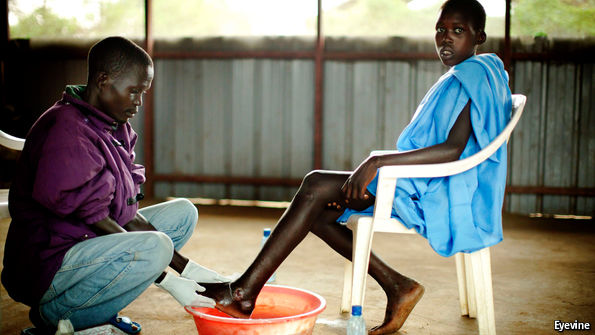
The world is poised to eradicate the first human disease since smallpox
The Guinea worm, and the havoc it wreaks, has nearly been wiped out
-

Cáncer rico, cáncer pobre
La incidencia y mortalidad por cáncer están aumentando en todo el mundo, especialmente en los países de ingresos bajos y medios, donde se ha mejorado la esperanza de vida. Pero no es lo mismo tener un cáncer en Europa que en África. Los últimos estudios revelan la enorme desigualdad en las cifras de supervivencia tras…
-

The secret to staying young? Scientists boost lifespan of mice by deleting defective cells
Researchers managed to increase the lifespan of mice by an impressive 25% by deleting “senescent” cells, dysfunctional cells which build up as we age and cause damage to tissue. Crucially, the mice lived longer because they were healthier.
-
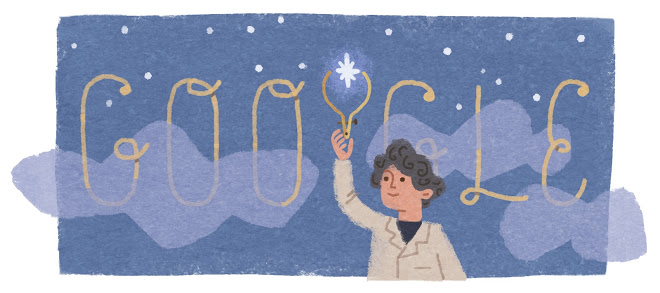
The Ninth Planet That Wasn’t
Urbain-Jean-Joseph Le Verrier had to know something was amiss. Not in his data or his analysis, but with the planet Mercury itself. It was 1859, and Le Verrier, a giant of French astronomy, was attempting to fine-tune his mathematical model of Mercury—the “theory” of the planet’s motions expressed within mathematical models based on Newtonian gravitation.
Got any book recommendations?