

La ciencia en los medios
-
What happens to astronauts’ DNA in space
Carl Zimmer visits Mason’s lab to find out how an Earth-bound geneticist is getting to enjoy a connection to space: by studying astronaut DNA.
-

Non hegoa, han zangoa
Hegan egitea gustatuko litzaiguke, ur azpian arnastea, ilunpean ikustea, hotzik ez pasatzea… baina ezin dugu. Naturan, norberaren nahiek eta ametsek mugak dituzte, eta muga jakin batzuen barruan bizi gara bizidun guztiok. Baina horrexegatik goza dezakegu gure inguruko biodibertsitateaz, bizidun bakoitzak bere txokoa —bere nitxo ekologikoa— betetzen duelako naturako baldintza-ugaritasunaren handitasunean. Izaki bizidunen nitxo ekologikoak ezagutzea…
-
Go Ahead, Connect an Inductor and Capacitor and See What Happens
What happens when you put an inductor and a capacitor in a circuit? Something kind of cool—and actually important.
-
El transporte del futuro supera su primera prueba: de 0 a 190 km/h en dos segundos
Esta madrugada, el nuevo y futurista medio de trasporte de Elon Musk ha llevado a cabo sus primeras pruebas, en las que confirmó en una cápsula a escala su funcionamiento.
-
“Buscamos civilizaciones en las 20.000 estrellas más cercanas a la Tierra”
El reciente descubrimiento de más de 1.200 planetas multiplica las posibilidades de encontrar vida inteligente en nuestra galaxia, asegura Jill Tarter.
-
Robotic surgery, who wields the knife?
THEY don’t drink, they don’t get tired and they don’t go on strike. To hospital managers, the idea of robots operating on patients without human intervention is an attractive one. To patients, though, the crucial question is, “are they better than human surgeons?”
-
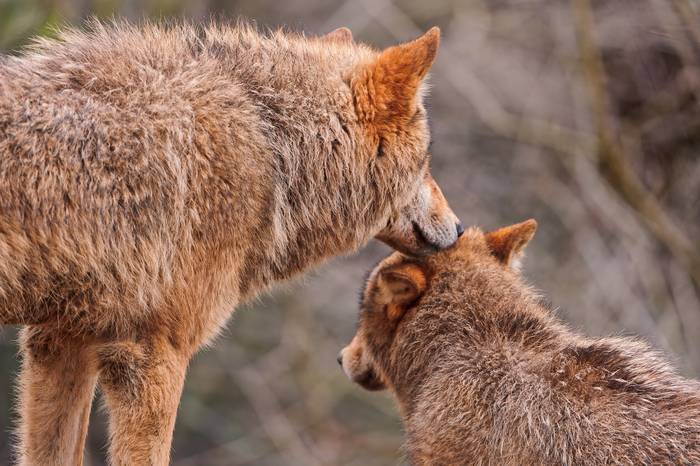
Zergatik gara onak?
Oihaneko legea aipatzen dugunean, naturaren krudelkeria datorkigu burura: indartsuak ahula gupidarik gabe zapaltzen duela, alegia.
-
Human sex is not simply male or female. So what?
Language mirrors the distinction between male and female, as in the way we talk about the sexes as ‘opposite’, and throughout life we are encouraged to think in binary terms about this central aspect of our existence.
-
The foul reign of the biological clock
It seems like the concept of the biological clock has been with us forever. In fact, the metaphor was invented in the late 1970s. And it has been used to reinforce sexist ideas ever since
Got any book recommendations?