

La ciencia en los medios
-

“Es infantil pensar que los médicos no cometen errores”
El neurocirujano inglés Henry Marsh ha conmocionado al mundo con su libro “Ante todo no hagas daño”, una autobiografía en el que detalla sus errores como médico durante varias décadas de carrera. Su visión humaniza la profesión y apunta posibles soluciones.
-
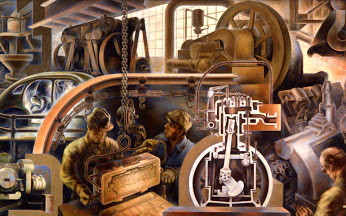
Computing’s Search for Quantum Questions
Recent tests show that quantum computers made by D-Wave systems should solve some problems faster than ordinary computers. Researchers have begun to map out exactly which queries might benefit from these quantum machines.
-

Leonardo Torres Quevedo. Oinak lurrean, burua airean
Donostian, 1907ko irailaren 30eko euri zaparradek ez zuten Ulian bildutako jendearen ikusmina zapuztu. Hirurehun bat metroko distantziara zeuden bi tontorren artean, ongi tenkaturik ikusten ziren sei kable; eta, haietatik zintzilik, 18 pertsonentzat omen zen burdinazko ontzi bat. Gailu ikusgarria, egun hartan inauguratzera zihoazen hura. Pertsonentzako munduko lehen aireko transbordadorea.
-
An update on AIDS: HIV’s slow retrenchment
The latest dispatch from the war on HIV, the “Global AIDS Update 2016”, just published by UNAIDS, the UN agency responsible for combating the virus, brings qualified good news.
-
Low-mass particles that make high-mass stars go boom
When some stars much more massive than the sun reach the end of their lives, they explode in a supernova, fusing lighter atoms into heavier ones and dispersing the products across space—some of which became part of our bodies. There are many ingredients—but one type of particle could ultimately drive supernova explosion: the humble neutrino.
-
A guy trained a machine to «watch» Blade Runner. Then things got seriously sci-fi.
Warner had just DMCA’d an artificial reconstruction of a film about artificial intelligence being indistinguishable from humans, because it couldn’t distinguish between the simulation and the real thing.
-
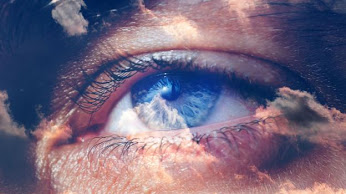
Crean ratones con telómeros hiperlargos sin alterar los genes
Científicos del CNIO han desarrollado ratones con menos signos de envejecimiento molecular y una menor incidencia de cáncer. La técnica ofrece una nueva manera de retrasar el envejecimiento sin alterar los genes.
-

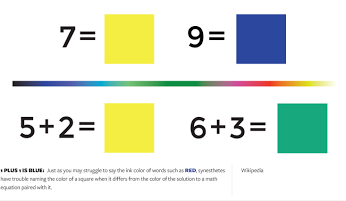
Sinestesia: berezko errealitate areagotua
Imajinatu zerbait entzuten duzun bakoitzean (musika, zarata, ahotsa) koloreak, itxurak eta mugimendua ikusten dituzula. Edo emozio biziak (gertuko baten heriotza, orgasmoa) kolore jakin batekoak direla zuretzat. Batzuek ez dute horrelakorik imajinatu beharrik; berez bizi dute esperientzia hori. Sinestesia dute; errealitatea hautemateko beste modu bat, beste modu batzuk. Zientzialariek fenomenoa ikertzen dute, lagungarria baita zentzumenen eta…
-
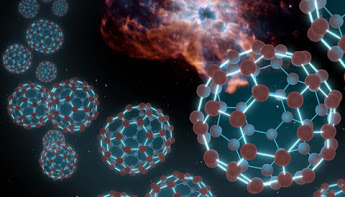
What is so special about things that never happened? Richard Dawkins on fiction v science
As The Selfish Gene turns 40, the author reflects on what he has learned about writing and science
Got any book recommendations?