

La ciencia en los medios
-
The Fuzzball Fix for a Black Hole Paradox
By replacing black holes with fuzzballs — dense, star-like objects from string theory — researchers think they can avoid some knotty paradoxes at the edge of physics.
-
Newly identified brain structure may explain why parrots are such good copycats
Scientists say they have pinpointed the neurons that turn these birds into copycats. The discovery could not only illuminate the origins of bird-speak, but might shed light on how new areas of the brain arise during evolution.
-
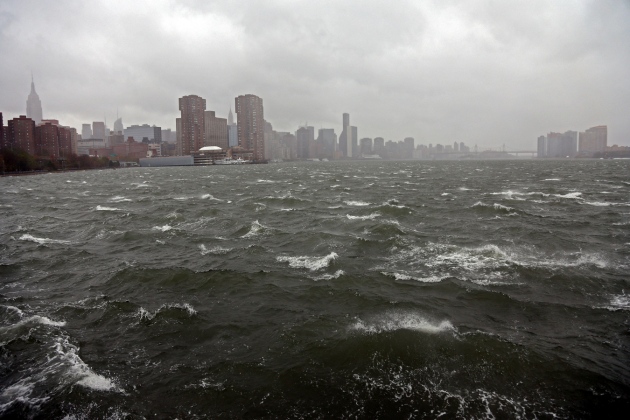
Severe weather linked more strongly to global warming
Attempts to attribute extreme weather events to global warming have often failed because they have looked at the wrong thing, leading climatologists claim. By focusing on rising temperatures, tides and atmospheric moisture instead of chaotic and highly variable shifts in atmospheric circulation, they say, scientists may be able to better identify the human fingerprint in…
-
El alucinógeno gusano del Cámbrico muestra su cara
Un equipo de científicos ha obtenido los primeros datos de cómo era la cabeza de Hallucigenia, abuelo de los artrópodos y una de las criaturas más misteriosas de la evolución.
-

Sexism in science: did Watson and Crick really steal Rosalind Franklin’s data?
The race to uncover the structure of DNA reveals fascinating insights into how Franklin’s data was key to the double helix model, but the ‘stealing’ myth stems from Watson’s memoir and attitude rather than facts
-

Los cannabinoides potencian la muerte celular en melanomas
Dos tipos de cannabinoides –compuestos de la planta Cannabis sativa– han resultado efectivos en la muerte de las células tumorales de melanomas, sin afectar a las células sanas. El estudio, que codirige la Universidad Complutense de Madrid, se ha probado in vitro y en ratones.
-

Dark Galaxies Suffuse the Coma Cluster
Following on a surprising find reported last year, astronomers have now discovered almost 1,000 dark matter-rich galaxies in the Coma Cluster.
-
Can the Bacteria in Your Gut Explain Your Mood?
The rich array of microbiota in our intestines can tell us more than you might think.
-

¿Debería tu coche autónomo matarte si así salva la vida de más personas?
Los coches inteligentes estarán programados para cumplir las normas y evitar accidentes, pero en caso de imprevisto, ¿debe primar la seguridad del conductor o buscar el mal menor?
Got any book recommendations?