

La ciencia en los medios
-

Así se formaron las galaxias en el universo temprano
Las nuevas observaciones permiten a los astrónomos empezar a ver cómo se construyeron las primeras galaxias y cómo despejaron la niebla cósmica en la época de reionización
-
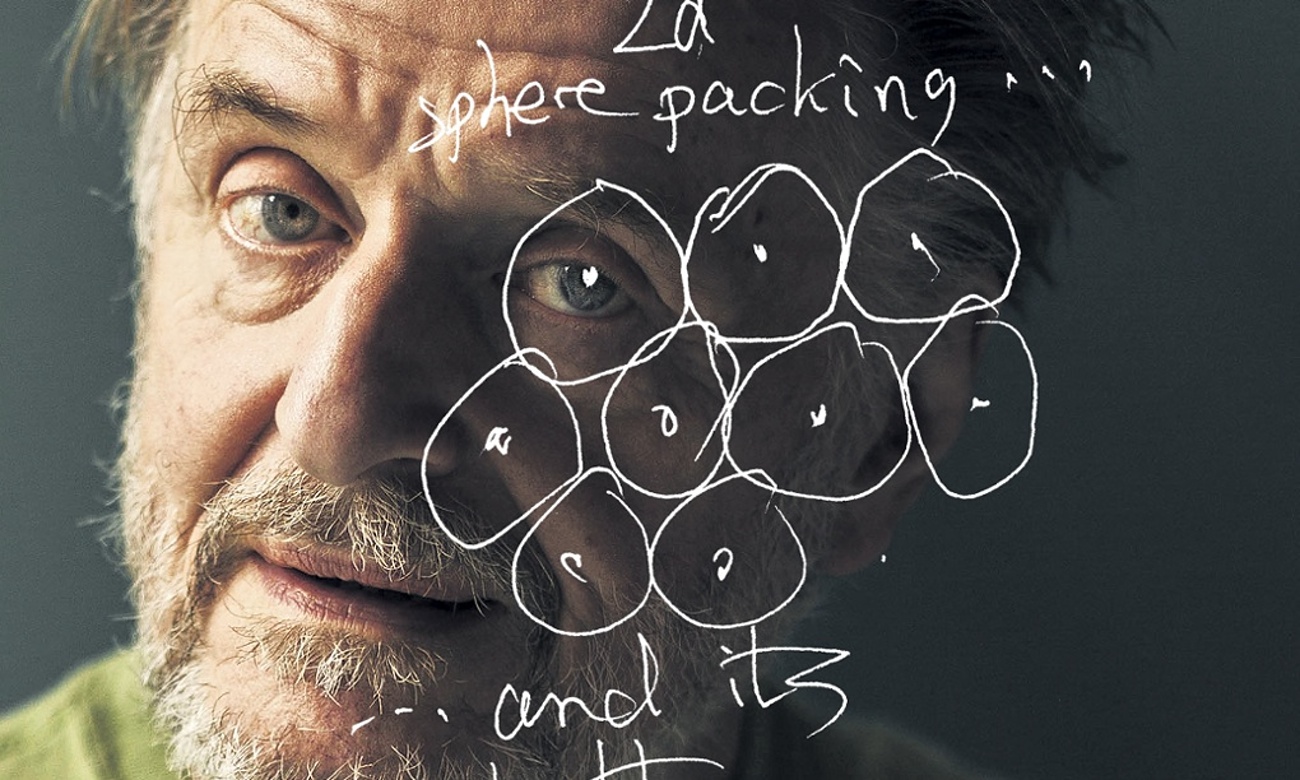
The world’s most charismatic mathematician
John Horton Conway is a cross between Archimedes, Mick Jagger and Salvador Dalí. For many years, he worried that his obsession with playing silly games was ruining his career – until he realised that it could lead to extraordinary discoveries
-
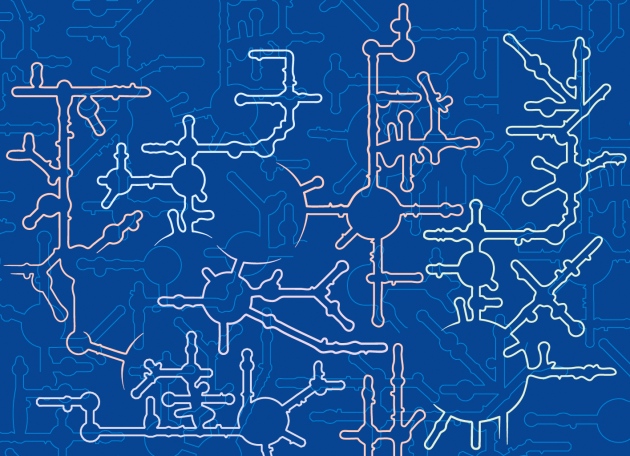
A cellular puzzle: The weird and wonderful architecture of RNA
Cells contain an ocean of twisting and turning RNA molecules. Now researchers are working out the structures — and how important they could be.
-
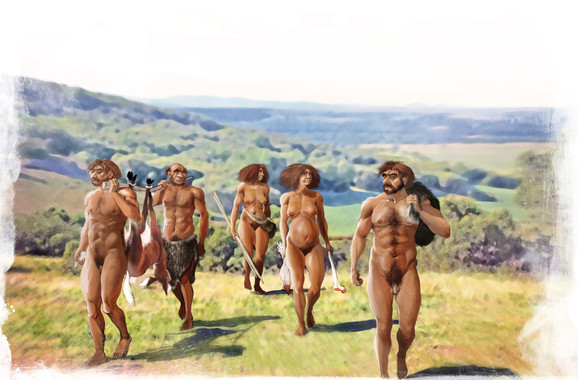
Un mapa geomorfológico ilustra cómo se formó la Sierra de Atapuerca
Valles, terrenos al aire libre y llanos, y sobre todo las cuevas hacen de la Sierra de Atapuerca (Burgos) un lugar único, en el que habitaron al menos cuatro especies de homínidos y otros animales como el ciervo gigante, el jaguar europeo o el oso de las cavernas. Para entender cómo se creó este hábitat…
-
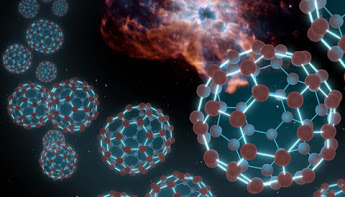
Buckyballs Solve Interstellar Mystery
The term “diffuse interstellar bands” may not run chills down your back, but it’s code for a spectral mystery has haunted astronomers for almost a century. First discovered in 1922, these absorption lines (more than 400 of them) are seen anytime astronomers look toward dust-reddened stars. But no ions or molecules tested in the lab…
-

A DNA Search for the First Americans Links Amazon Groups to Indigenous Australians
The prevailing theory is that the first Americans arrived in a single wave, and all Native American populations today descend from this one group of adventurous founders. But now there’s a kink in that theory. The latest genetic analyses back up skeletal studies suggesting that some groups in the Amazon share a common ancestor with…
-
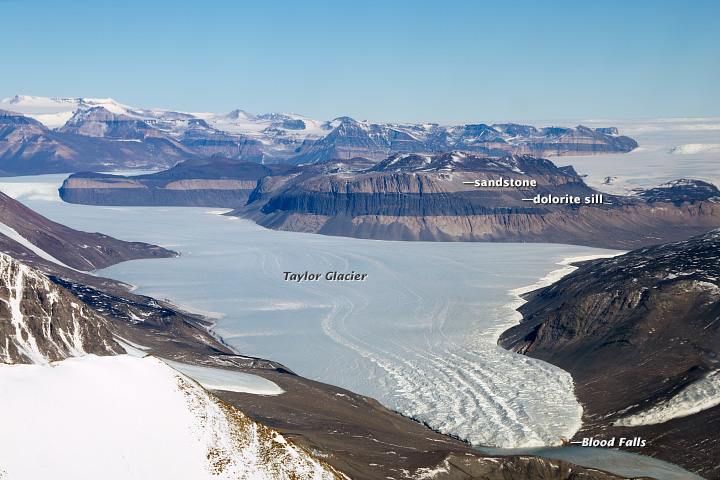
Antarctic Offers Insights Into Life on Mars
The cold permafrost of Antarctica houses bacteria that thrive at temperatures below freezing, where water is icy and nutrients are few and far between. Oligotrophs, slow-growing organisms that prefer environments where nutrients are scarce, could provide clues as to how life could exist in the permafrost of Mars.
-
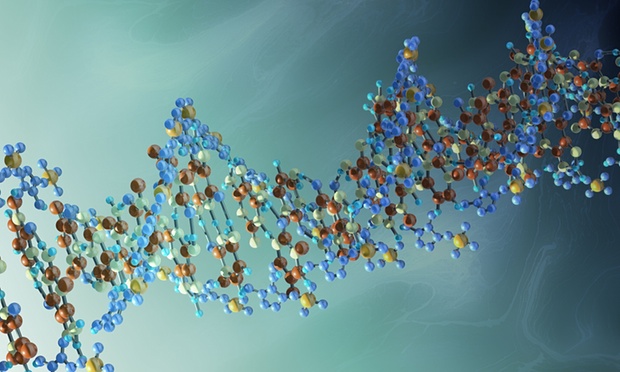
At the limit of Moore’s law: scientists develop molecule-sized transistors
Researchers find transistors can be produced consisting of atoms 600,000 times thinner than a human hair – paving way for atom-scale chips
-
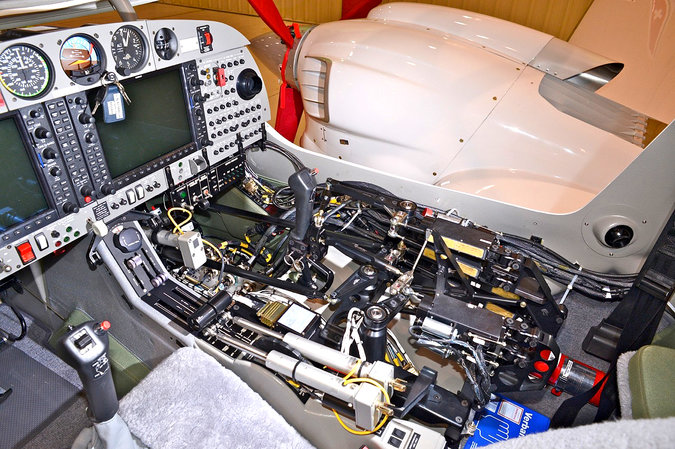
A Machine in the Co-Pilot’s Seat
Today the majority of American military aircraft are drones, and commercial aircraft now fly most of their routes on autopilot. The new program’s goal is to use robots to augment, rather than automate, flight.
Got any book recommendations?