

Resultados de búsqueda para: “search”
-

Subliminal learning and conscious thought can reduce and enhance pain
New research shows that conscious and non-conscious thought processes can both alleviate and enhance the experience of pain
-
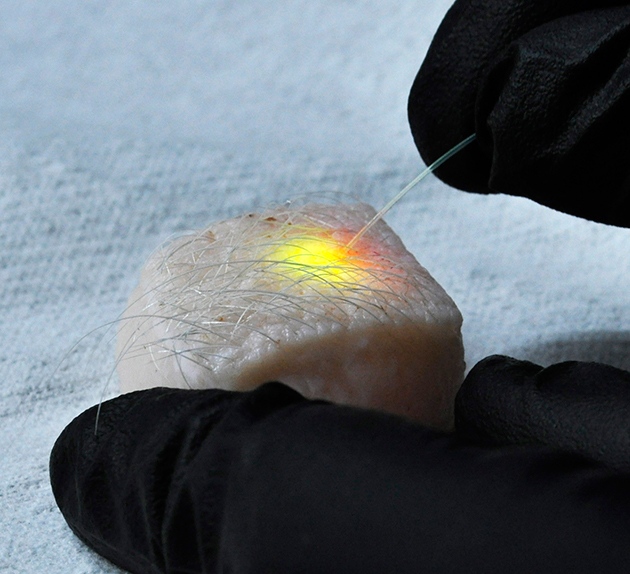
Oil droplets turn cells into tiny lasers
Injecting single cells with spheres of fluorescent dye could open new research and treatment avenues using light.
-
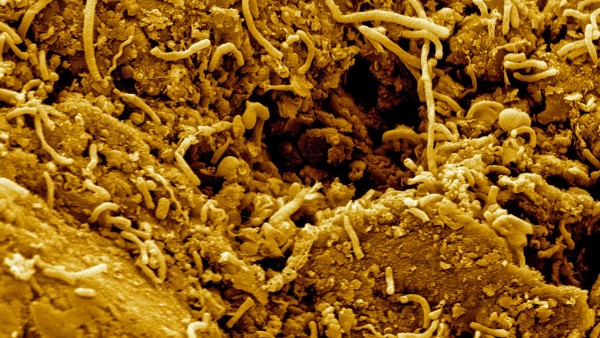
‘It’s like going to Pluto and seeing McDonald’s’
If you want to find some weird, undiscovered organisms, the sediments more than 2 kilometers below the ocean floor should be a good place to look. The heat and pressure are intense, and food is in short supply. But researchers have now obtained the first samples of microorganisms from these depths, and they turn out…
-

To fend off dementia, run — or dance, bike, power-walk or step
Scientists testing experimental drugs to prevent or reverse Alzheimer’s disease have for years endured a drumbeat of inconclusive and disappointing trial results. But dementia researchers meeting in Washington, D.C., this week got some unexpectedly good news on the benefits of a therapy that is readily available, inexpensive to deliver and free of unwanted side effects.…
-
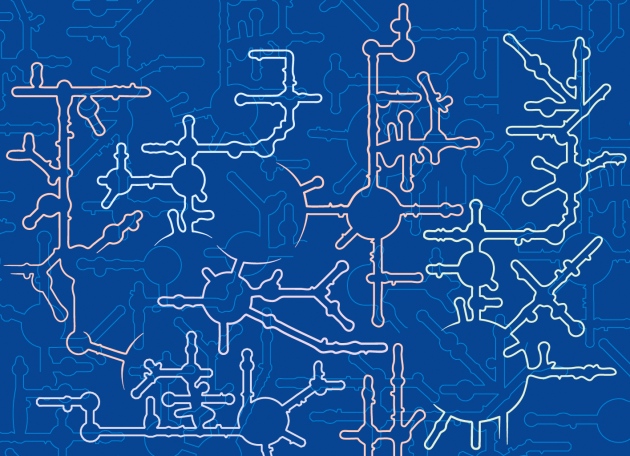
A cellular puzzle: The weird and wonderful architecture of RNA
Cells contain an ocean of twisting and turning RNA molecules. Now researchers are working out the structures — and how important they could be.
-
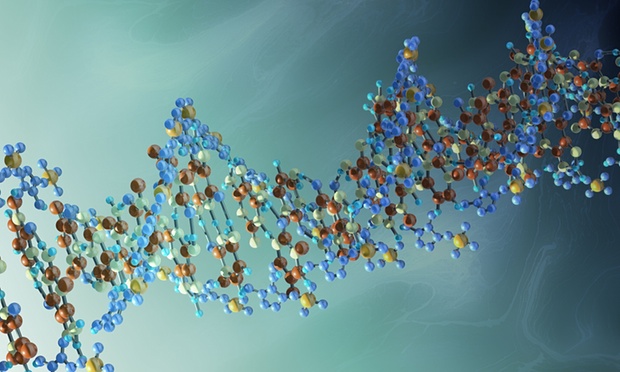
At the limit of Moore’s law: scientists develop molecule-sized transistors
Researchers find transistors can be produced consisting of atoms 600,000 times thinner than a human hair – paving way for atom-scale chips
-
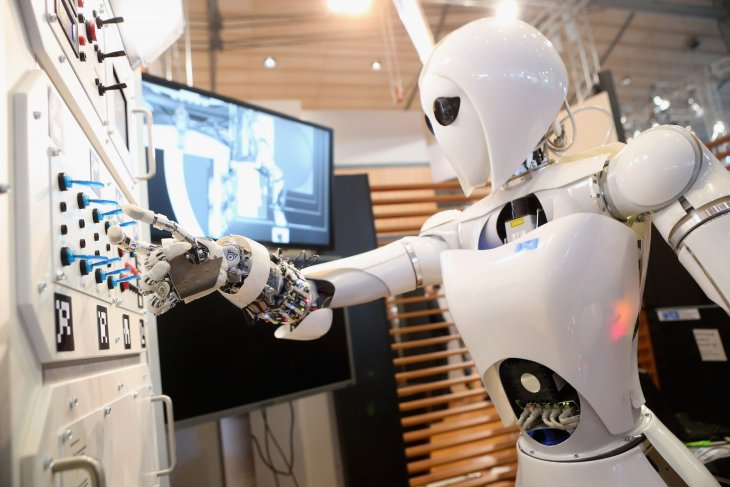
Technology doom sets in as artificial intelligence starts taking jobs
You know technology pessimism is getting serious when career technologists go rogue. Kentaro Toyama used to explore computer vision for Microsoft Research and co-founded Microsoft’s lab in India. He quit those jobs and just published a book, Geek Heresy, that says technology, far from curing our problems, is making social ills worse.
-

Tiny Brain Clumps Offer New Clues into the Cause of Autism
By turning stem cells taken from autistic patients into tiny “organoids” that closely resemble the brains of human embryos, researchers have gleaned potentially valuable insights into what may go wrong during brain development in people with autism.
-

Science, values and the limits of measurement
Metrics play a growing role in managing research. But to understand their limitations, we need to draw on the humanities.