

Resultados de búsqueda para: “search”
-
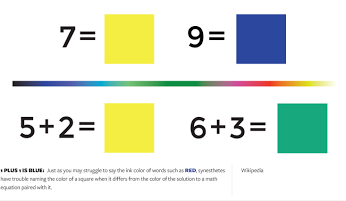
The visualizations transforming biology
Inventive graphic design and abstract models are helping researchers to make sense of a glut of data.
-
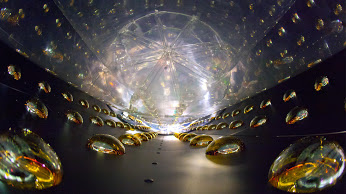
Barack Obama Blindness: Failing to see the unexpected
New research demonstrates an extreme form of inattentional blindness in which we fail to see the unexpected
-

Rigid vegetarian diet may have done in ancient cave bears
The cave bear mysteriously went extinct about 24,000 years ago—and new research is offering some tantalizing clues as to why.
-

How some salamanders regrow their limbs
The ability to grow a new limb may seem like something straight out of science fiction, but new research shows exactly how animals like salamanders and zebrafish perform this stunning feat—and how humans may share the biological machinery that lets them do it.
-

Underground injections turn carbon dioxide to stone
Researchers working in Iceland say they have discovered a new way to trap the greenhouse gas carbon dioxide (CO2) deep underground: by changing it into rock. Results published this week in Science show that injecting CO2 into volcanic rocks triggers a reaction that rapidly forms new carbonate minerals—potentially locking up the gas forever.
-

Flores fossil discovery provides clues to ‘hobbit’ ancestors
Researchers find what appear to be predecessors of tiny humans whose bones were first unearthed on Indonesian island in 2004
-
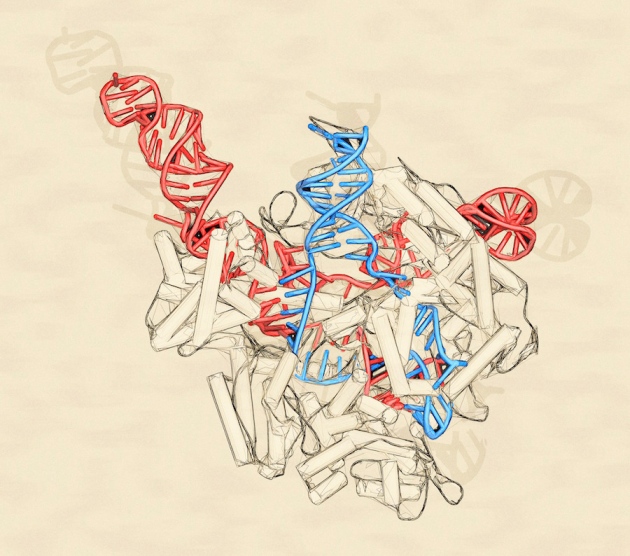
CRISPR gene-editing system unleashed on RNA
Researchers who discovered a molecular “scissors” for snipping genes have now developed a similar approach for targeting and cutting RNA. The new cutting tool should help researchers better understand RNA’s role in cells and diseases, and some believe it could one day be useful in treatments for illnesses from Huntington’s to heart disease.
-
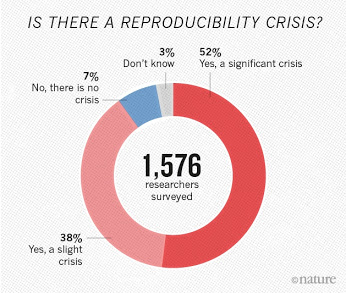
1,500 scientists lift the lid on reproducibility
More than 70% of researchers have tried and failed to reproduce another scientist’s experiments, and more than half have failed to reproduce their own experiments. Those are some of the telling figures that emerged from Nature‘s survey of 1,576 researchers who took a brief online questionnaire on reproducibility in research.
-

Questions abound after study links tumors to cellphone radiation
Male rats exposed to cellphone radiation in a large U.S. government study were more likely to develop rare brain and heart cancers, a preliminary analysis has found, adding weight to concerns the ubiquitous devices could pose a health risk to people. But though the study is the most comprehensive yet of lab animals exposed to…